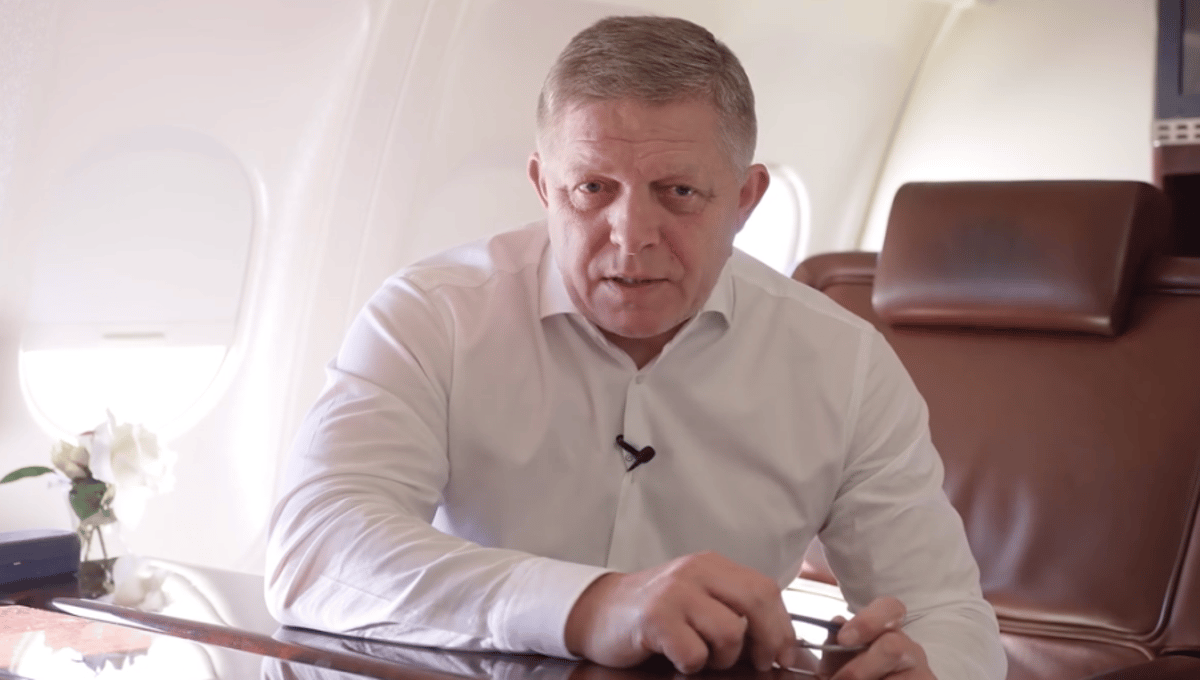
Slovak PM Fico Holds Urgent Talks with State Oil Company After Hinting that Moscow Is in Energy Talks with US
Why It Matters
The talks could reshape Slovakia’s energy supply chain, exposing the country to legal and financial risks while deepening its reliance on Russian gas amid EU sanctions. The political fallout may influence the upcoming election and broader EU energy policy.
Key Takeaways
- •Fico met Putin, then summoned Transpetrol for urgent energy talks.
- •He hinted US interest in buying Russian transit infrastructure.
- •Slovakia could face a $17 bn lawsuit over Gazprom contract breach.
- •Opposition warns increased fees could hurt national energy security.
Pulse Analysis
Slovakia’s energy landscape has long been a geopolitical fault line, with the country serving as a key transit hub for Russian gas flowing into Europe. Prime Minister Robert Fico’s recent Moscow visit, highlighted by a private audience with President Vladimir Putin, underscores his government’s willingness to pursue a pro‑Kremlin agenda despite EU efforts to wean member states off Russian supplies. By summoning Transpetrol immediately after his return, Fico signalled that any shift in the transit framework will be negotiated at the highest political level, potentially altering the flow of oil and gas through Slovak pipelines.
The suggestion that the United States may purchase Russian transit assets adds a new layer of complexity. If American firms acquire the infrastructure, they could act as intermediaries, selling Russian‑origin energy to Slovakia at “standard” prices while extracting U.S. margins. Such a structure would lock Slovakia into a long‑term dependence on Russian gas, even as the EU pushes for a 2027 phase‑out. Moreover, Fico warned that walking away from the existing Gazprom contract—valid until 2034—could trigger a lawsuit estimated at $17 bn, a figure that dwarfs the annual transit fee revenues and could strain the national budget.
Domestically, the maneuver has ignited fierce opposition criticism and could reshape the 2026 electoral calculus. Critics argue the deal threatens national energy security and inflates transit fees, while supporters claim it safeguards Slovakia’s strategic interests. As the EU tightens sanctions and the United States eyes greater involvement in European energy markets, Slovakia’s policy choices will reverberate across the region, influencing both market dynamics and political alignments. The outcome will likely determine whether Bratislava remains a conduit for Russian gas or pivots toward a more diversified, Western‑aligned energy future.
Slovak PM Fico holds urgent talks with state oil company after hinting that Moscow is in energy talks with US
Comments
Want to join the conversation?
Loading comments...