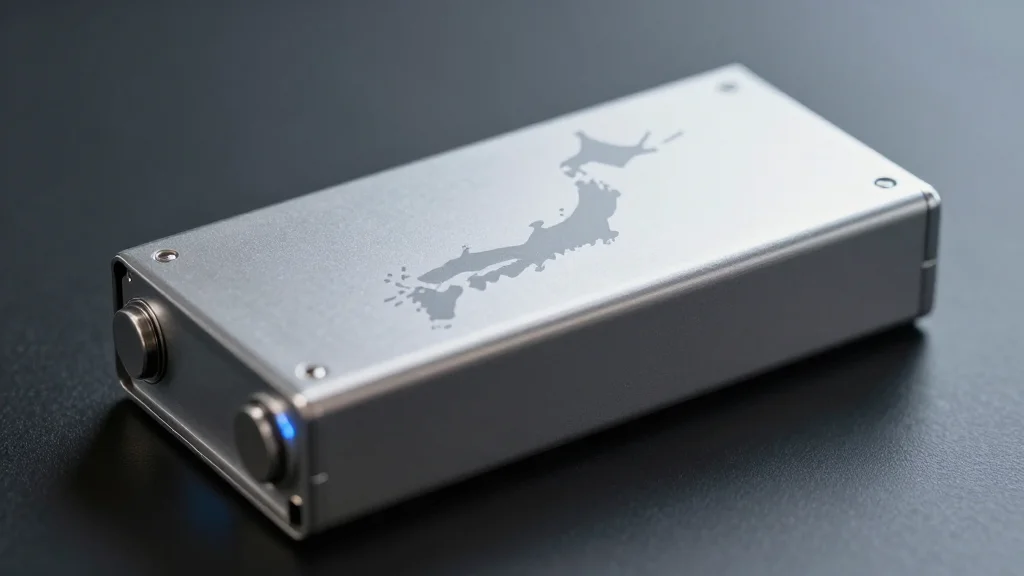
SoftBank Launches GWh‑scale Battery Venture in Japan to Power AI Data Centers

Companies Mentioned
Why It Matters
The launch marks a strategic shift for SoftBank, moving from a pure technology investment house into a vertically integrated energy hardware player. By targeting AI data centers—a rapidly expanding electricity consumer—the venture aligns with the broader trend of AI‑driven power demand that is reshaping grid planning worldwide. Moreover, the use of non‑flammable, water‑based electrolytes could set new safety standards for large‑scale storage, addressing a key barrier to wider BESS adoption. Japan’s energy system, still heavily reliant on imported fossil fuels, stands to benefit from domestically produced, high‑density storage that can buffer renewable output and reduce peak‑load costs. If SoftBank’s revenue target of $645 million materializes, it would signal a viable business model for next‑generation batteries and could spur further domestic investment in safe, locally sourced storage technologies.
Key Takeaways
- •SoftBank Corp. launches a GWh‑per‑year battery business in Japan, targeting AI data center power needs.
- •Partnerships with COSMOS LAB (zinc‑halogen cells) and DeltaX (high‑density BESS) aim for mass production by FY2028.
- •Battery cells use pure‑water electrolyte, eliminating fire risk associated with lithium‑ion batteries.
- •Projected domestic revenue exceeds ¥100 billion (~$645 million) by FY2030.
- •SoftBank shares fell >5% amid market volatility from rising oil prices and geopolitical tensions.
Pulse Analysis
SoftBank’s entry into battery manufacturing reflects a broader convergence of AI and energy infrastructure. As AI models grow in size and compute intensity, data centers are becoming one of the fastest‑growing electricity loads, outpacing traditional cloud workloads. By securing its own supply of safe, high‑density storage, SoftBank can hedge against supply‑chain shocks and price volatility that have plagued lithium‑ion markets, especially given recent geopolitical strains in the Middle East.
The choice of zinc‑halogen chemistry is a calculated risk. While water‑based electrolytes promise safety and potentially lower material costs, they have yet to prove comparable cycle life and energy density at scale. Success would give SoftBank a first‑mover advantage in a niche that regulators and utilities are keen to explore for grid‑level storage, especially in earthquake‑prone Japan where fire safety is paramount. Conversely, failure could reinforce the dominance of lithium‑ion incumbents and erode SoftBank’s credibility as a hardware innovator.
From a market perspective, SoftBank’s move could catalyze a shift among Japanese conglomerates toward integrated AI‑energy solutions. The firm’s AI‑driven energy management system, combined with proprietary BESS, may set a template for future data‑center‑grid symbiosis, where real‑time demand forecasting reduces reliance on fossil‑fuel peakers. If the venture meets its FY2028 production target, it could supply a meaningful fraction of the estimated 10‑15 GWh of storage needed by Japan’s grid by 2030, nudging the country closer to its 2050 carbon‑neutral goal.
SoftBank launches GWh‑scale battery venture in Japan to power AI data centers
Comments
Want to join the conversation?
Loading comments...