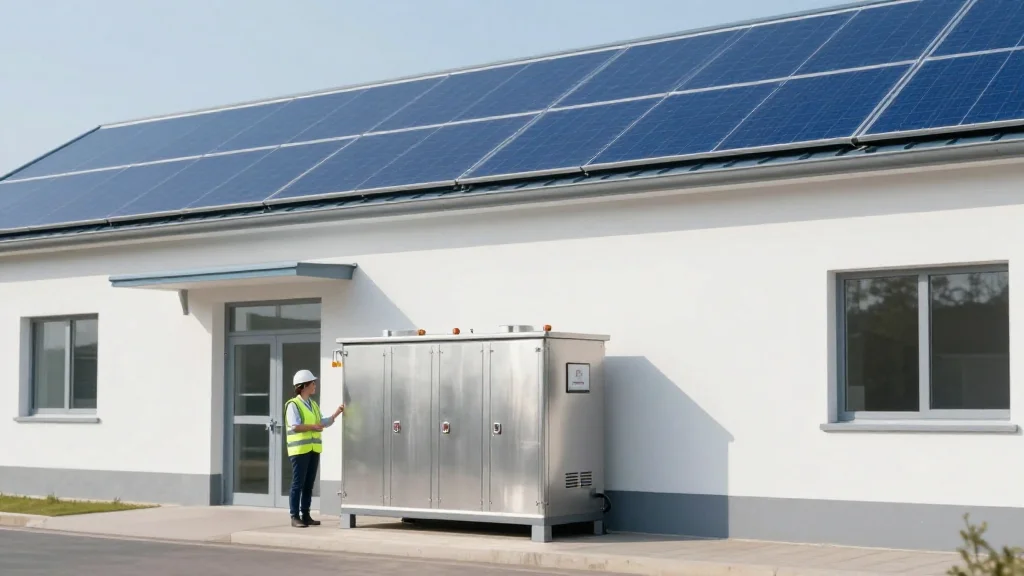
Solar Backup Power Supports Ukrainian Intensive Care Units During Grid Outages and Cyberattacks
Why It Matters
Solar backup power safeguards critical healthcare services in a war‑torn environment, demonstrating a replicable model for energy resilience. The initiative also opens a high‑potential investment avenue for European firms seeking impact and long‑term growth in Ukraine’s reconstruction.
Key Takeaways
- •Energy Act for Ukraine installed 1.5 MW PV, 2 MWh storage at hospitals
- •Odesa maternity ICU can run 18 hours on solar during outages
- •Women trainees build photovoltaic systems, addressing gender gap in energy sector
- •EU investors see high‑risk, high‑growth opportunity in Ukraine’s solar market
Pulse Analysis
Ukraine’s power grid has become a strategic target in the ongoing conflict, with repeated Russian strikes and sophisticated cyberattacks disrupting supply to hospitals, schools, and businesses. Traditional fossil‑fuel generators are costly, noisy, and vulnerable, prompting a shift toward decentralized renewable solutions that can operate independently of the central grid. Solar photovoltaic panels paired with battery storage provide instant, clean energy, ensuring that life‑saving equipment in intensive‑care units remains functional even when the national network collapses.
Energy Act for Ukraine, founded by Yuliana Onishchuk, is turning that concept into reality on the ground. By training women to design, install, and maintain solar systems, the organization tackles both the acute energy shortage and the sector’s gender imbalance. To date, it has deployed roughly 1.5 MW of solar capacity and 2 MWh of storage across schools and medical facilities, with a flagship project at an Odesa maternity and neonatal center that can sustain critical care for up to 18 hours on a sunny day. Financing remains a hurdle, as many projects are too small for conventional bank loans, but the streamlined 16‑month permitting timeline eases regulatory friction.
For European investors, Ukraine’s emerging solar market offers a unique blend of risk and reward. While political and operational uncertainties persist, the country’s urgent need for resilient energy infrastructure creates a pipeline of projects ready for capital. Moreover, the Ukrainian experience in rapid grid repair, cyber‑defense, and smart‑grid deployment provides valuable lessons for the EU’s own energy transition. Engaging now can secure early‑mover advantages, support a war‑torn economy, and contribute to a more secure, decarbonized European energy landscape.
Solar backup power supports Ukrainian intensive care units during grid outages and cyberattacks
Comments
Want to join the conversation?
Loading comments...