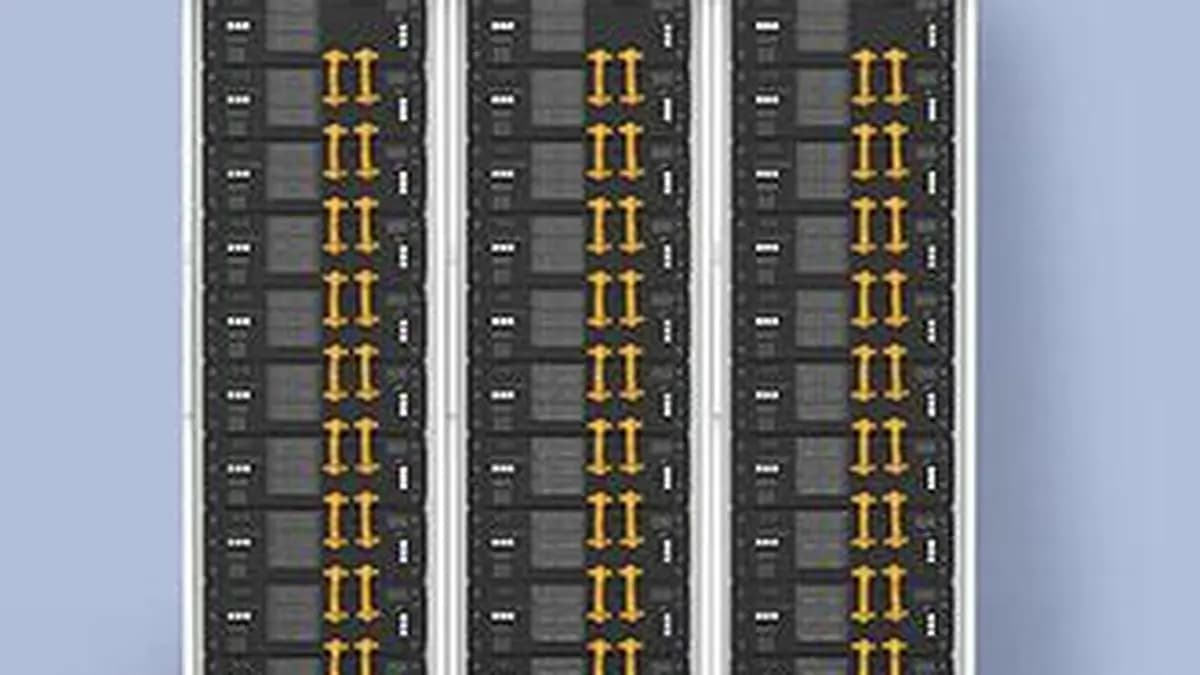
Solar Energy Companies Tap Battery Energy Storage Systems
Why It Matters
BESS adds a critical revenue stream for solar firms and meets new tender requirements, reshaping India’s renewable‑energy value chain and creating opportunities for domestic manufacturing.
Key Takeaways
- •Waaree targets 20 GWh BESS, investing ~₹10,000 crore ($1.2 bn)
- •Vikram Solar aims for 15 GWh BESS by 2030, plans 7.5 GW cell production
- •Premier Energies to launch 6 GWh container facility by March 2027
- •Swelect will start with integration, sourcing modules globally before building capacity
- •India's BESS capacity could rise from 1.1 GWh to 236 GWh by FY 32
Pulse Analysis
India’s renewable‑energy pipeline has set new records, but the intermittency of solar and wind makes grid‑level storage indispensable. Recent procurement guidelines now bundle battery storage with new solar projects, forcing developers to present a combined solution. This shift has turned Battery Energy Storage Systems (BESS) from a niche accessory into a core revenue line for solar manufacturers. As the country pushes toward its 450 GW renewable target by 2030, the ability to store excess generation will be a decisive factor in winning contracts and ensuring grid stability.
The most aggressive mover, Waaree Energies, announced a ₹10,000 crore ($1.2 bn) spend that includes an ₹8,000 crore ($960 m) gigafactory in Andhra Pradesh, aiming for 20 GWh of BESS capacity by FY 28 and 3.5 GWh online by FY 27. Vikram Solar targets 15 GWh by 2030, while Premier Energies plans a 6 GWh containerised plant for March 2027. Swelect Energy Systems will initially integrate imported modules before scaling its own lines. All players, however, face stiff competition from low‑cost Chinese cells, and a domestic localisation policy is not expected until FY 28.
Analysts see BESS as a “second revenue stream” that can offset a slowdown in solar capacity growth. With industry estimates projecting India’s storage stock to jump from 1.1 GWh today to roughly 236 GWh by FY 32, investors are watching the capital‑intensive rollout closely. Companies that secure local cell supply or successfully partner with global manufacturers could capture higher margins, while those reliant on imports may see profitability squeezed by price volatility. The coming years will test whether policy incentives and scale can tilt the economics in favor of home‑grown BESS production.
Solar energy companies tap Battery Energy Storage Systems
Comments
Want to join the conversation?
Loading comments...