Solar Insiders Podcast: The Public Power Company Plugging the Gaps
Companies Mentioned
Why It Matters
SEC’s proactive role demonstrates how publicly backed utilities can de‑risk large‑scale clean‑energy projects, speeding up Australia’s path to net‑zero while stabilizing electricity prices for consumers.
Key Takeaways
- •SEC targets 1 GW of new battery storage by 2028
- •Public power offers subsidized home solar installations for low‑income households
- •Chris Miller emphasizes grid resilience through integrated renewables
- •SEC partners with private developers to fast‑track offshore wind projects
- •Government backing reduces financing costs for large‑scale clean‑energy assets
Pulse Analysis
Australia’s renewable‑energy rollout faces a classic chicken‑and‑egg dilemma: new generation capacity needs a modern grid, while grid upgrades require the certainty of steady generation. The State Electricity Commission, a government‑owned utility, is positioning itself as the missing link. By channeling public capital into infrastructure, SEC can fund projects that private investors deem too risky, such as deep‑cycle battery farms and extensive distribution upgrades. This approach not only smooths the integration of intermittent solar and wind but also creates a more predictable market environment for downstream players.
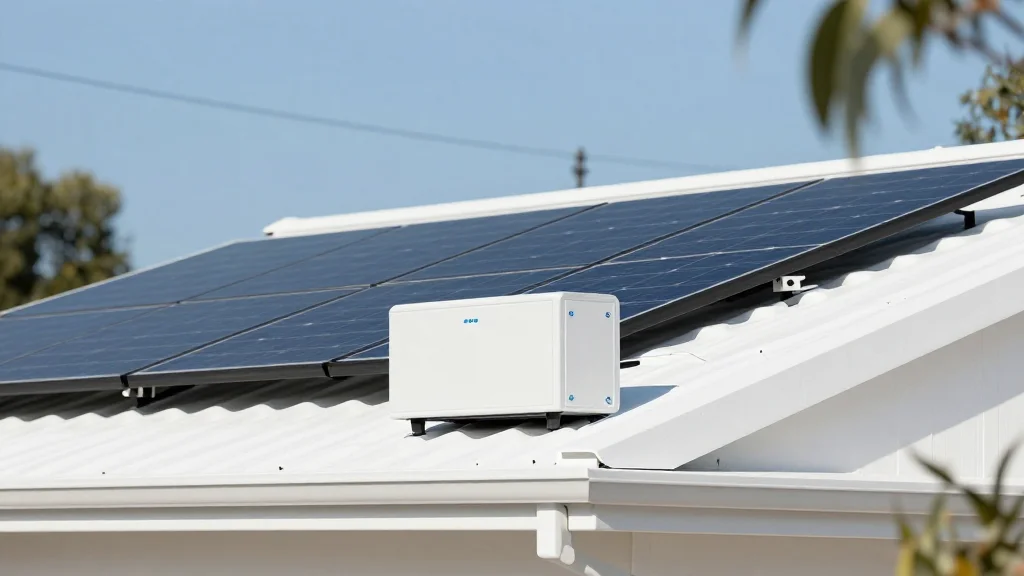
In the podcast, CEO Chris Miller outlines a multi‑pronged strategy that starts at the household level. SEC is rolling out subsidized solar‑plus‑storage kits for low‑income families, aiming to electrify 250,000 homes by 2027. Simultaneously, the utility is committing roughly AU$500 million (≈US$330 million) to utility‑scale battery installations, targeting 1 GW of storage capacity by 2028. These assets will provide frequency regulation, peak‑shaving and backup power, reducing reliance on fossil‑fuel peaker plants. Grid reinforcement projects, including high‑voltage transmission upgrades, are being fast‑tracked through joint ventures with private developers, especially in emerging offshore wind zones.
The broader implication for the energy sector is significant. Public‑power involvement lowers financing costs and accelerates project timelines, making Australia a more attractive market for global renewable investors. It also pressures traditional utilities to innovate or partner, fostering a competitive ecosystem where clean energy can scale faster and at lower cost. As policymakers watch SEC’s outcomes, the model could inspire similar public‑private hybrids in other jurisdictions seeking to meet ambitious decarbonization targets.
Solar Insiders Podcast: The public power company plugging the gaps
Comments
Want to join the conversation?
Loading comments...