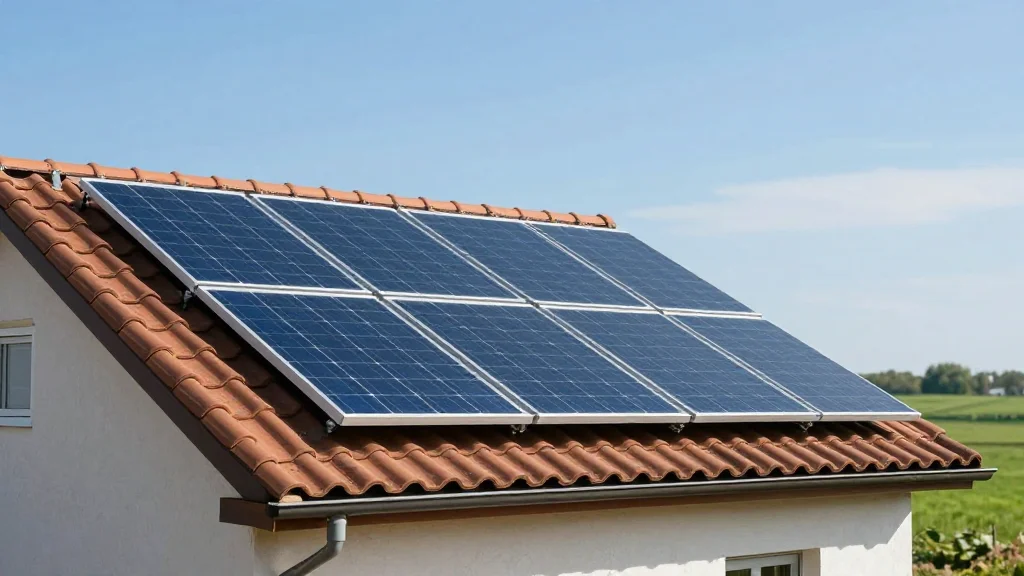
Solar Rooftop Works to Be Accelerated Across Andhra Under PM Surya Ghar Scheme
Why It Matters
Accelerating rooftop solar lowers electricity costs for disadvantaged groups, advances India’s clean‑energy goals, and creates local jobs, positioning Andhra Pradesh as a model for inclusive renewable deployment.
Key Takeaways
- •20,636 SC/ST households received rooftop solar under PM Surya Ghar
- •Utility‑Led Aggregation model drives installations via state DISCOMs
- •Over 120,000 households already have solar rooftops under regular scheme
- •Scheme expansion to Backward Class beneficiaries planned with subsidies
- •Daily reviews mandated to meet installation timelines across DISCOMs
Pulse Analysis
India’s renewable energy agenda hinges on scaling rooftop solar, a sector that can deliver distributed power while reducing grid strain. The PM Surya Ghar Muft Bijli Yojana, launched in 2024, targets low‑income consumers by subsidizing system costs and streamlining approvals. Andhra Pradesh, a state with high solar irradiance, has embraced the scheme aggressively, leveraging its transmission corporation to coordinate installations across three regional DISCOMs. This approach aligns with national targets to reach 450 GW of renewable capacity by 2030 and showcases how state‑level execution can accelerate progress.
The Utility‑Led Aggregation model centralizes procurement, engineering, and financing under the DISCOMs, allowing economies of scale and faster deployment. So far, 20,636 SC and ST households have been equipped with rooftop panels, translating into an estimated annual savings of roughly ₹1,200 (≈ $15) per family on electricity bills. Beyond cost relief, the program has generated hundreds of installation jobs and fostered a local supply chain for inverters, mounting structures, and maintenance services. By integrating solar generation directly into the distribution network, the state also improves grid stability and reduces reliance on fossil‑fuel‑based peaking plants.
Looking ahead, the government plans to extend subsidies to Backward Class beneficiaries, potentially adding another 200,000 rooftops in the next two years. Scaling this model will require sustained financing, robust monitoring, and continued skill development for installers. If successful, Andhra Pradesh could set a replicable template for other Indian states, driving nationwide adoption of clean energy, lowering overall electricity demand, and contributing to the country’s climate commitments while delivering tangible socioeconomic benefits.
Solar rooftop works to be accelerated across Andhra under PM Surya Ghar scheme
Comments
Want to join the conversation?
Loading comments...