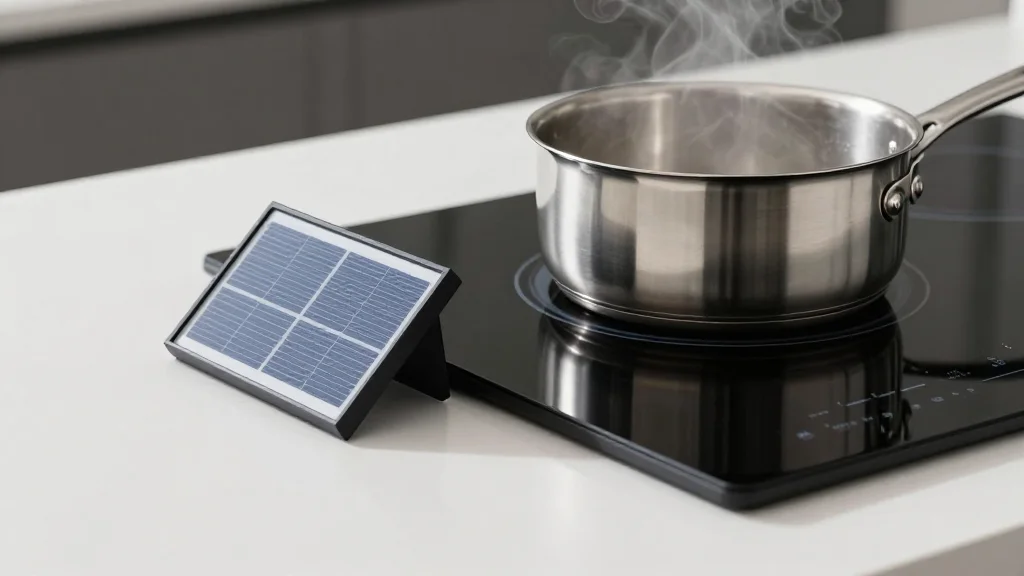
Solar Scheme May Push Induction Cooktops Amid Energy Disruptions
Why It Matters
Accelerating electric cooking cuts dependence on imported LPG, aligns with India’s renewable‑energy goals, and opens a fast‑growing market for domestic manufacturers.
Key Takeaways
- •India plans subsidies for induction cooktops under PM Suryaghar scheme.
- •Goal: move households from 320 million LPG connections to electric cooking.
- •GST on induction cooktops may drop to 5% from 18%.
- •Customs duties on key components slated for reduction to boost manufacturers.
- •Dual tax incentives aim to lower consumer price and spur local production.
Pulse Analysis
India’s energy landscape is being reshaped by geopolitical shocks, notably the Iran war, which has strained regional fuel supplies and heightened electricity demand. With over 320 million LPG connections, the country faces a dual challenge: ensuring affordable cooking fuel while meeting its climate commitments. Solar‑powered electricity offers a resilient alternative, especially as rooftop solar capacity expands rapidly across urban and rural households. By encouraging a shift to induction cooktops, the government aims to leverage existing solar generation, reduce volatile LPG imports, and improve household energy security.
The PM Suryaghar Muft Bijli Yojana proposes a multi‑pronged fiscal approach. A proposed GST reduction to 5%—down from the current 18%—directly lowers consumer prices, while slashing customs duties on critical components such as copper coils and power electronics eases cost pressures for domestic manufacturers. Complementary tax incentives for local production are expected to stimulate a robust supply chain, creating jobs and fostering technology transfer. Early stakeholder consultations between the commerce, industry, and power ministries signal a coordinated effort to address supply bottlenecks and stabilize market pricing, positioning India as a potential global hub for affordable induction technology.
For manufacturers and investors, the policy shift signals a sizable market opportunity. Industry analysts estimate that induction cooktop penetration could rise from under 5% today to double‑digit levels within five years, driven by lower upfront costs and growing consumer awareness of clean‑cooking benefits. However, success hinges on reliable solar‑electric infrastructure, consumer financing options, and sustained policy certainty. Companies that can align product design with India’s price sensitivity while scaling production locally stand to capture significant market share, while the broader energy transition benefits from reduced LPG demand and lower carbon emissions.
Solar Scheme may push induction cooktops amid energy disruptions
Comments
Want to join the conversation?
Loading comments...