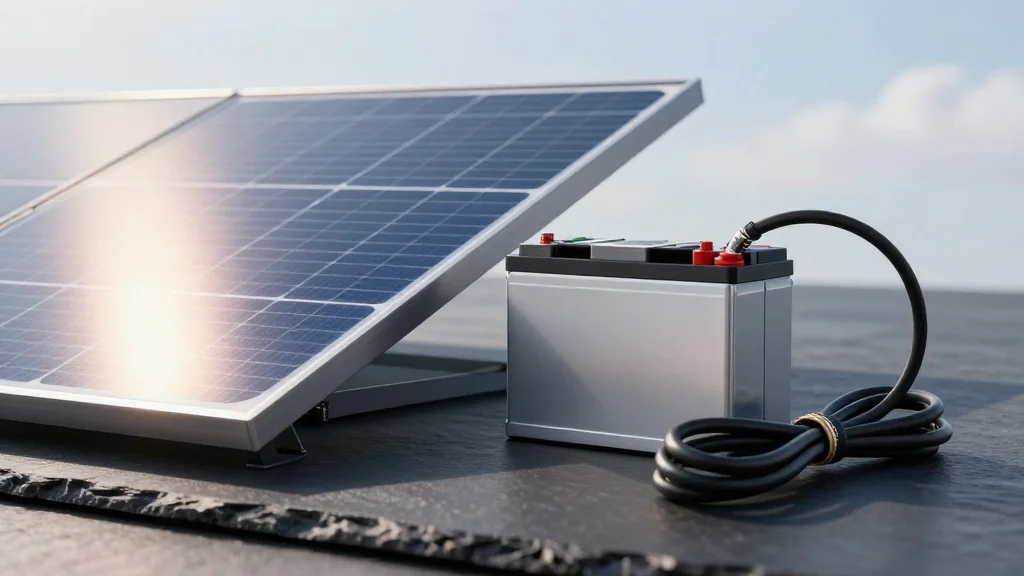
Solar & Storage Provide Over 90% of All New Power Added to the U.S. Grid in Q1, Despite Headwinds in Washington
Why It Matters
The dominance of solar‑plus‑storage secures U.S. energy reliability and curbs exposure to volatile fuel prices, but policy bottlenecks could raise electricity costs and erode the U.S. lead in clean‑tech innovation.
Key Takeaways
- •Solar and storage comprised 91% of new U.S. capacity Q1 2026.
- •Utility‑scale solar contracts rose 15% YoY, driven by AI‑intensive tech firms.
- •Texas led solar additions; Ohio entered top three for the quarter.
- •Residential solar to fall 21% in 2026; storage pairing reached 45%.
Pulse Analysis
The first quarter of 2026 saw the United States install a record 7.8 gigawatts of solar capacity, nudging total installations beyond the six‑million mark. Solar‑plus‑storage now dominates new generation, representing 91 % of all capacity added, a shift driven by utilities, corporations, and data‑center operators seeking reliable power for AI workloads. Utility‑scale solar contracts surged 15 % year‑over‑year, underscoring the sector’s ability to meet the accelerating electricity demand sparked by geopolitical tensions and supply‑chain disruptions in traditional gas‑fired generation.
Yet the sector’s momentum collides with a growing regulatory gauntlet. SEIA warns that 457 solar and storage projects sit in permitting limbo, vulnerable to politically motivated delays that could inflate construction costs and push electricity rates higher for consumers. Analysts at Wood Mackenzie caution that if federal permitting stalls, the United States may cede its clean‑energy edge to rivals such as China, whose AI‑driven data‑center expansion depends on abundant, low‑cost power. The policy friction therefore threatens both domestic affordability and global tech competitiveness.
Looking ahead, the residential market is projected to contract 21 % in 2026, though the share of installations paired with batteries hit a record 45 %, signaling a shift toward integrated storage solutions. State‑level dynamics remain favorable, with Texas retaining its lead and Ohio breaking into the top three for new solar capacity. Despite short‑term headwinds, SEIA’s outlook suggests flat solar additions over the next five years, while longer‑term forecasts anticipate steady growth through 2031 as permitting reforms and declining hardware costs restore the sector’s upward trajectory.
Solar & Storage Provide Over 90% of All New Power Added to the U.S. Grid in Q1, Despite Headwinds in Washington
Comments
Want to join the conversation?
Loading comments...