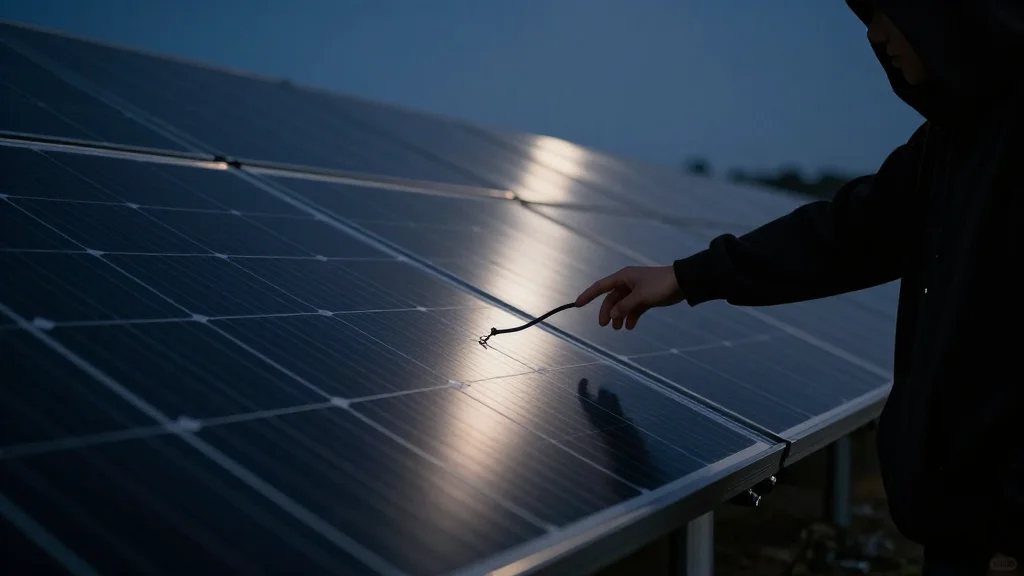
Why It Matters
The surge threatens the profitability of Chile’s fast‑growing distributed solar market and could deter further investment if security costs rise or supply chain disruptions persist.
Key Takeaways
- •Theft concentrates in O’Higgins, Coquimbo, Maule, Metropolitan regions
- •PMGD sites suffer 78.6% of reported solar thefts
- •Cables and conductors are the most stolen components
- •Nighttime incidents rise, 80% occur before sunrise
- •Companies adopt guards, cameras, fencing, and remote monitoring
Pulse Analysis
Chile’s solar sector is in the midst of a geographic shift, moving from the traditionally sunny north toward the central‑southern belt where PMGD projects thrive. This expansion has opened a larger footprint of remote, small‑scale installations that lack the robust security of utility‑scale farms. As a result, criminal groups are exploiting the dispersed nature of these assets, targeting high‑value copper‑laden cables that can be quickly melted and sold on the black market. The pattern mirrors broader power‑sector theft trends across Latin America, where copper prices remain elevated and law‑enforcement resources are stretched thin.
The data collected by ACESOL shows that thefts are not random acts of vandalism but coordinated operations conducted under the cover of darkness. Over a third of surveyed firms experienced multiple incidents within a single month, and the early‑morning timing suggests thieves are timing their raids to avoid detection and maximize haul size. Beyond material loss, several reports mention intimidation, minor injuries, and even weapons, indicating an escalation toward higher‑risk criminal behavior. For developers, the financial impact extends beyond stolen equipment; project delays, increased insurance premiums, and higher operational expenditures erode the economics of distributed solar, potentially slowing the sector’s growth trajectory.
In response, Chilean solar companies are adopting layered security strategies: private guards, high‑definition surveillance, reinforced perimeter fencing, motion sensors, and real‑time video transmission to central control rooms. Some firms are also integrating remote monitoring platforms that trigger alarms when equipment is moved or tampered with. While these measures raise capital costs, they are becoming essential to protect assets and reassure investors. Policymakers are urged to strengthen legal frameworks, improve coordination with local police, and consider incentives for security upgrades. If addressed promptly, Chile can safeguard its burgeoning solar market and maintain its position as a regional renewable energy leader.
Solar tech theft on the rise in Chile
Comments
Want to join the conversation?
Loading comments...