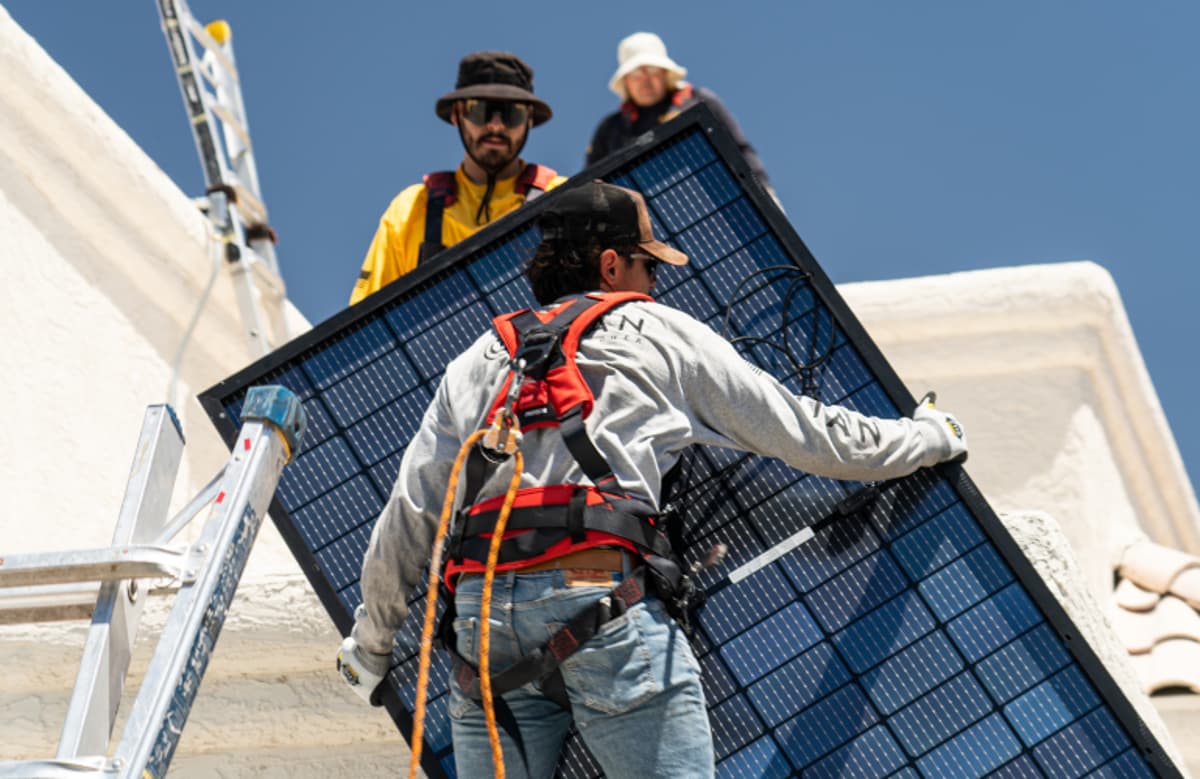
Solar United Neighbors Publishes Consumer Guide to PPAs, Leases
Why It Matters
The guide lowers the informational barrier for homeowners, accelerating adoption of low‑cost solar and expanding the market share of TPO models. It also signals how policy trends are reshaping residential financing structures.
Key Takeaways
- •TPO models now cover 45% of residential solar
- •PPAs and leases require little to no upfront cost
- •Contracts typically span 15‑20 years
- •Providers handle maintenance and reap operational revenue
- •Federal incentives favor commercial owners, boosting TPO appeal
Pulse Analysis
Third‑party ownership has become a cornerstone of the U.S. residential solar boom, with power purchase agreements and leases now accounting for nearly half of all installations. This surge reflects both consumer demand for zero‑down solutions and the strategic positioning of providers who can monetize long‑term energy production. By publishing a practical guide, Solar United Neighbors equips homeowners with the terminology and decision‑making framework needed to evaluate these contracts, a step that could translate into faster market penetration and broader grid decarbonization.
Financially, PPAs and leases shift the capital burden from the homeowner to the solar developer. Homeowners pay a fixed per‑kilowatt‑hour rate, often lower than utility tariffs, while the provider finances, installs, and maintains the system. This arrangement also allows residential customers to indirectly benefit from the Investment Tax Credit, which currently favors commercial projects, by leveraging the provider’s tax‑credit eligibility. The result is a win‑win: homeowners enjoy immediate savings and risk mitigation, and developers secure long‑term revenue streams that justify their upfront investment.
Policy developments are further tilting the scales toward TPO models. Recent federal revisions have redirected incentives such as the ITC toward larger, commercial‑scale projects, inadvertently making third‑party structures more attractive for residential adopters seeking comparable benefits. As utilities grapple with distributed generation and states push for higher renewable targets, the TPO market is poised for continued expansion. Stakeholders—from financiers to installers—must adapt to longer contract terms and evolving regulatory landscapes to capture the growth potential highlighted in Solar United Neighbors' new guide.
Solar United Neighbors publishes consumer guide to PPAs, leases
Comments
Want to join the conversation?
Loading comments...