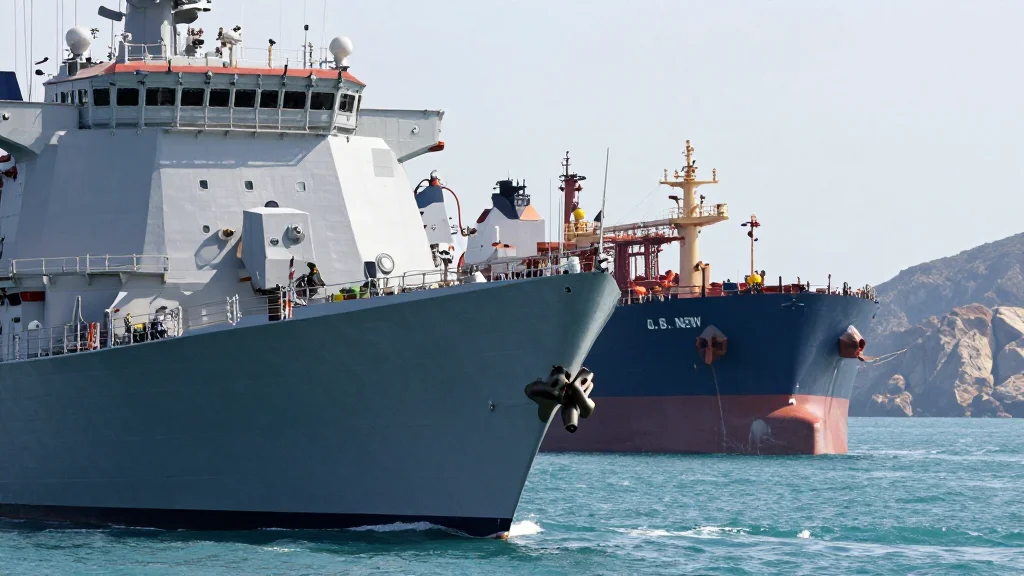
Some in Oil, Natural Gas Sector Expected Quick Hormuz Reopening Before ‘Project Freedom’
Why It Matters
A quicker Hormuz reopening would ease shipping bottlenecks, stabilizing global oil supply and curbing price spikes. Industry responses, such as price‑floor mechanisms, signal how firms are managing geopolitical risk.
Key Takeaways
- •20% of execs expect Hormuz normalization by May 2026
- •Project Freedom aims to secure Persian Gulf vessel escorts
- •39% anticipate reopening only by August 2026
- •Executives consider implementing oil‑price floor mechanisms
- •Sentiment mixed on future U.S. drilling activity
Pulse Analysis
The Strait of Hormuz remains one of the world’s most critical chokepoints for crude oil and liquefied natural gas, funneling roughly a fifth of global petroleum flow. Recent geopolitical friction has prompted the U.S. administration to launch Project Freedom, a naval initiative that will escort commercial vessels through the Persian Gulf, aiming to deter hostile actions and reassure shippers. By providing a visible security umbrella, the project seeks to restore confidence in a region where even brief disruptions can reverberate across commodity markets.
A survey conducted by the Federal Reserve Bank of Dallas reveals a divided outlook among industry leaders. While one‑fifth of respondents are optimistic about a May 2026 normalization, a larger segment—39%—foresees the strait remaining constrained until at least August 2026, and 26% push the timeline further to November. These expectations translate into heightened price volatility, especially for LNG carriers that rely on Hormuz‑proximate routes. Anticipated supply bottlenecks have already prompted some firms to contemplate oil‑price floor mechanisms, a hedge against sudden spikes that could erode profit margins.
The uncertainty also ripples into strategic planning for U.S. upstream operators. Mixed sentiment on domestic drilling reflects concerns that prolonged shipping delays could depress global demand, while a swift reopening might trigger a rebound in activity. Companies are therefore balancing investment decisions with risk‑mitigation tools, such as hedging and diversified logistics. As Project Freedom progresses, its effectiveness will likely become a key barometer for market participants assessing the balance between geopolitical risk and energy supply stability.
Some in Oil, Natural Gas Sector Expected Quick Hormuz Reopening Before ‘Project Freedom’
Comments
Want to join the conversation?
Loading comments...