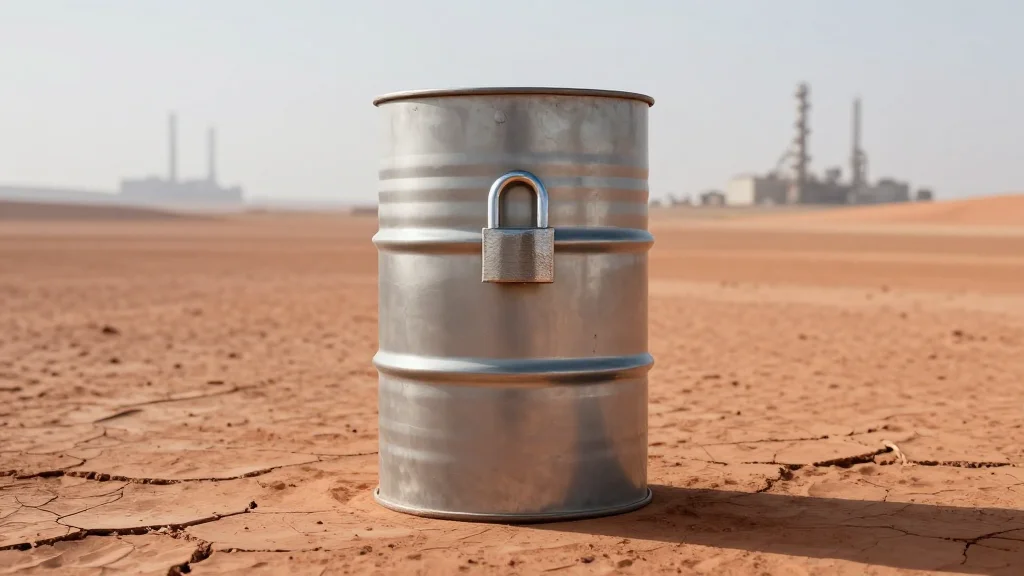
South Australia Proposes Expanding Fuel Rationing Rules
Why It Matters
The expanded rationing framework gives the state a stronger tool to manage severe supply shocks, while stricter penalties aim to curb market abuse and protect consumers and essential industries.
Key Takeaways
- •Rationing limit extended from 7 to 90 days, renewable
- •Penalties up to A$1 mn for price exploitation during shortages
- •Strategic gasoil reserve proposal: 20 mn litres (~5.3 mn gal) buffer
- •WA purchased 12 mn litres (~3.2 mn gal) gasoil for regional storage
- •Rationing activates only if national fuel security level reaches 4
Pulse Analysis
Global oil markets remain volatile as the Middle East conflict threatens supply chains, prompting Australia’s National Fuel Security plan to sit at level 2. In this environment, South Australia’s move to expand its rationing authority reflects a proactive stance, ensuring the state can respond swiftly if the national plan escalates to level 4, the most severe alert. By extending the permissible rationing window to 90 days and allowing renewals, policymakers aim to avoid the administrative scramble of short‑term measures while preserving critical transport and industrial operations.
The proposed amendments also tighten the regulatory bite on market misconduct. Fines of up to A$1 million ($650,000) target retailers, wholesalers and suppliers who might exploit scarcity through price spikes, reinforcing consumer protection during crises. Simultaneously, opposition leader Ashton Hurn’s call for a 20‑million‑litre strategic gasoil reserve—roughly 5.3 million US gallons—adds a supply‑security layer for essential sectors. Western Australia’s recent acquisition of 12 million litres (about 3.2 million gallons) stored across Kimberley, Esperance and Kwinana illustrates a growing trend among states to supplement the national stockpile with localized buffers.
For businesses, the legislation signals heightened certainty that fuel availability can be managed over longer disruption periods, reducing the risk of abrupt operational shutdowns. The stricter penalties deter opportunistic pricing, fostering a more stable market environment. Moreover, the strategic reserve discussions may encourage private investors to consider storage infrastructure as a viable asset class, while governments could explore public‑private partnerships to fund and operate these reserves. Overall, South Australia’s approach underscores the importance of resilient energy policy in safeguarding economic continuity amid geopolitical turbulence.
South Australia proposes expanding fuel rationing rules
Comments
Want to join the conversation?
Loading comments...