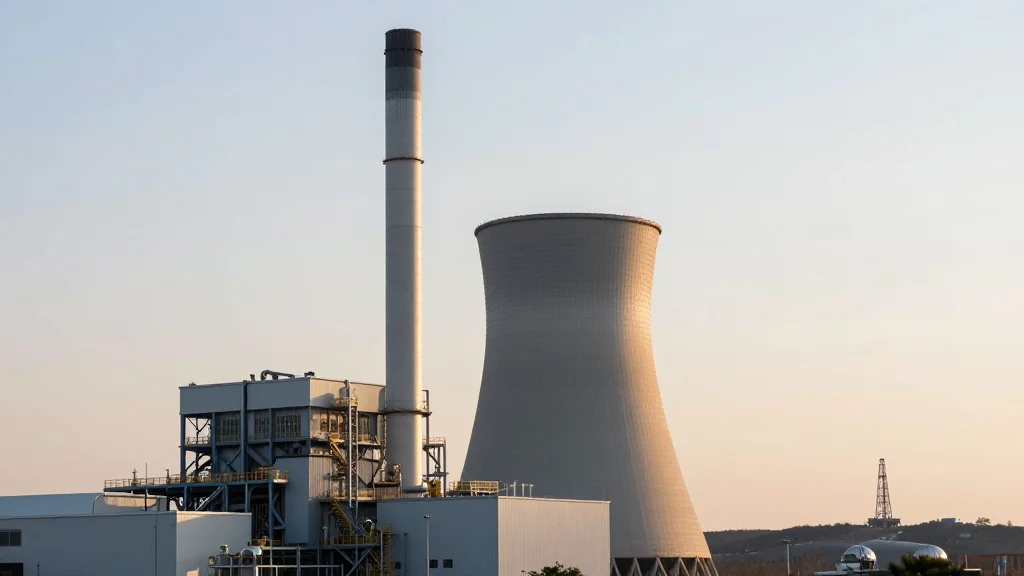
South Carolinians Fret Over Price Tag of Proposed Gas Plant at PSC Hearing
Why It Matters
The plant’s ballooning price threatens to raise residential and commercial electricity bills while locking the region into carbon‑intensive generation, undermining South Carolina’s energy affordability and climate goals.
Key Takeaways
- •Canadys plant cost rose from $2.5B to $5B.
- •Ratepayers fear higher bills from gas plant and aging coal plants.
- •PSC could cap costs but approval remains uncertain.
- •Data center demand driving utilities’ multi‑billion‑dollar investment.
- •Sierra Club urges solar, batteries, and coal retirements instead.
Pulse Analysis
The Canadys gas power plant illustrates how quickly infrastructure projects can become financial liabilities when market conditions shift. Originally pitched as a $2.5 billion solution to meet rising demand, the estimate has now doubled to $5 billion amid supply‑chain delays, inflationary pressures, and tariffs on key components. Such volatility is compounded by the erratic price of fracked natural gas, which has surged in global markets. For regulators at the South Carolina Public Service Commission, the challenge is balancing the need for reliable capacity against the risk of passing unsustainable costs onto consumers.
Ratepayers are especially sensitive because the proposed plant would sit alongside three aging coal facilities that already strain utility balance sheets. Utilities argue that new data center projects will generate sufficient load to justify the investment, yet developers have yet to sign binding agreements. This speculative demand creates a precarious financial outlook, as any shortfall would likely be recouped through higher electricity tariffs. The PSC’s power to cap overall project costs offers a potential safety valve, but a full approval could lock the state into decades of high‑cost, carbon‑heavy generation.
Environmental advocates, led by the Sierra Club, are pushing for a different trajectory: expanding solar capacity, integrating battery storage, and retiring coal plants such as Wateree, Williams, and Winyah. These alternatives promise lower long‑term operating costs and align with broader climate objectives. As the hearing unfolds, the decision will signal whether South Carolina prioritizes short‑term grid reliability or a more sustainable, cost‑effective energy future. The outcome will reverberate through regional utility rate structures and set a precedent for how public utilities address emerging load forecasts and climate pressures.
South Carolinians Fret Over Price Tag of Proposed Gas Plant at PSC Hearing
Comments
Want to join the conversation?
Loading comments...