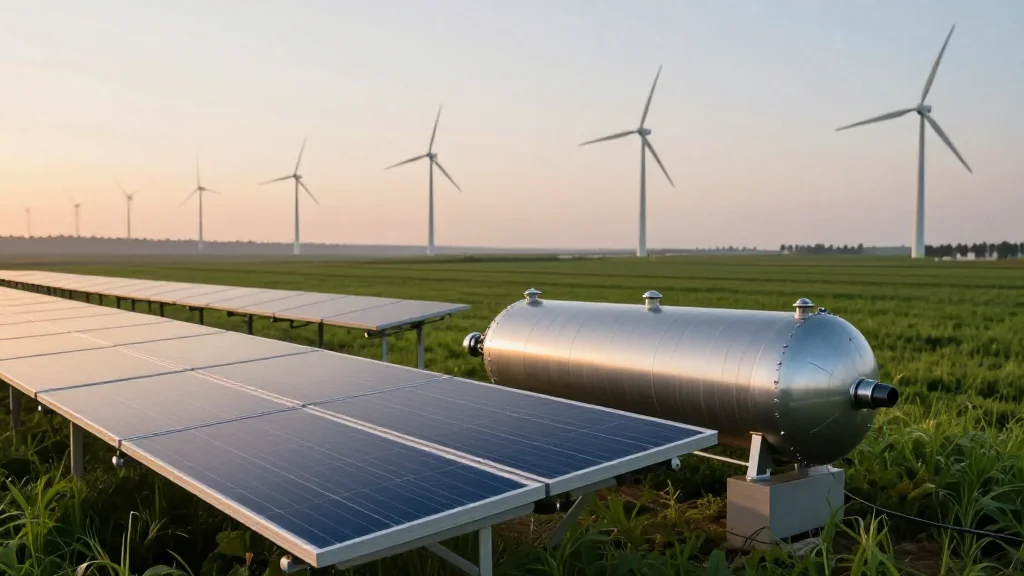
South Korea Sets 20% Renewable Power Goal for 2030
Why It Matters
Accelerating renewables cuts Korea’s dependence on imported fuels and aligns with global decarbonisation, while complementary nuclear and hydrogen projects bolster energy security and industrial competitiveness.
Key Takeaways
- •Target 100 GW renewable capacity by 2030, up from 11.4% share.
- •Plan includes closing 60 coal plants by 2040.
- •Hydrogen‑based steel production to be commercialised by 2037.
- •Electric and hydrogen vehicles aim 40% new sales 2030.
- •Nuclear adds 2,800 MW plus 700 MW SMRs by 2038.
Pulse Analysis
South Korea’s 20% renewable electricity target reflects a broader shift in Asia toward greener power mixes as economies grapple with rising demand and volatile fossil‑fuel imports. By 2030 the nation plans to install 100 GW of solar and wind capacity, a leap from the modest 11.4% share recorded last year. This ambition places Korea alongside the European Union’s 2030 climate goals and signals to global investors that the country is serious about scaling clean‑energy infrastructure, creating opportunities for equipment manufacturers and financing firms.
The transition plan couples renewable expansion with decisive actions on legacy generation. Sixty coal‑fired plants will be retired by 2040, reducing carbon intensity and freeing up grid space for intermittent sources. Simultaneously, the government backs hydrogen‑based steel production slated for commercial rollout by 2037, and pushes electrification of petrochemical processes. In transportation, a 40% market share for electric and hydrogen vehicles by 2030 aims to reshape demand for batteries and fuel‑cell technologies. Nuclear remains a bridge, with two 2,800 MW reactors and 700 MW of small modular reactors slated for completion by 2038, ensuring baseload reliability during the renewable ramp‑up.
For businesses, the policy package signals a fertile market for renewable project developers, battery storage providers, and hydrogen technology firms. It also underscores the strategic importance of energy security amid geopolitical tensions, such as Middle‑East supply disruptions. Investors can expect heightened activity in green bonds and ESG‑focused funds targeting Korean assets, while domestic industries may gain a competitive edge through lower‑carbon production pathways. The combined renewable, nuclear, and hydrogen roadmap positions South Korea to meet climate commitments while sustaining its high‑tech manufacturing base.
South Korea sets 20% renewable power goal for 2030
Comments
Want to join the conversation?
Loading comments...