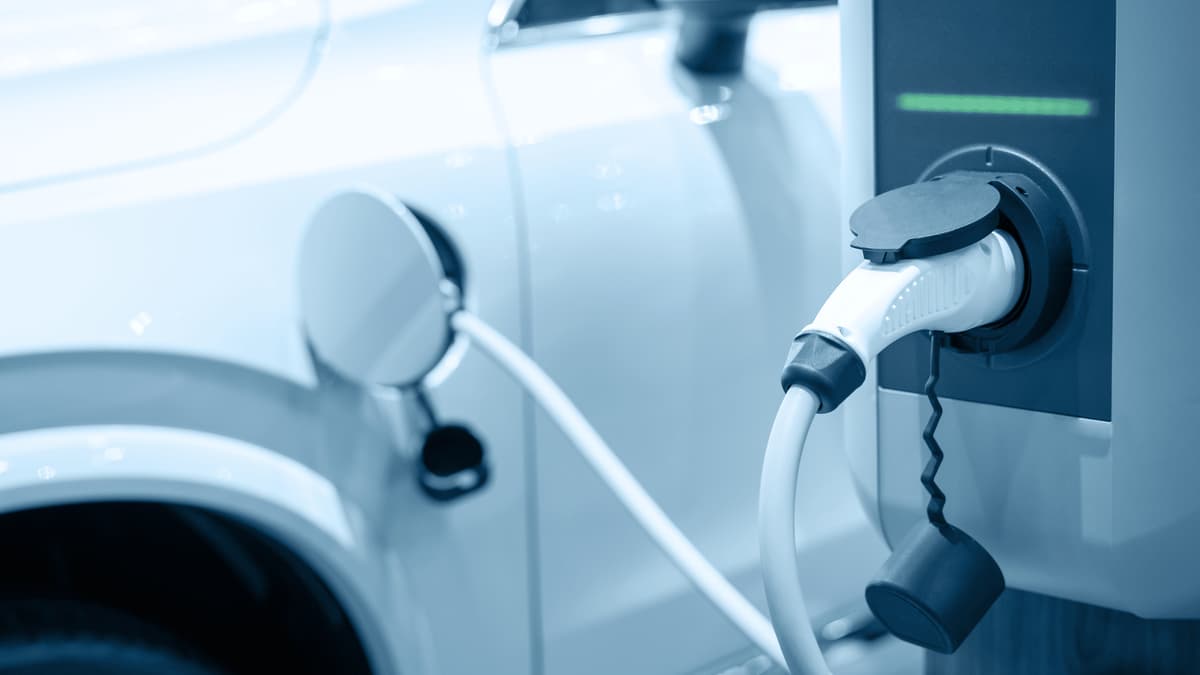
Sparse Charging Stations Slowing Filipinos’ Shift to EV
Companies Mentioned
Why It Matters
Limited charging infrastructure curtails EV market growth, prompting urgent policy and investment action to unlock the Philippines’ clean‑mobility potential.
Key Takeaways
- •Only 1,600 accredited EV chargers exist nationwide.
- •48% cite lack of chargers as top EV adoption barrier.
- •40% worry about range anxiety; 41% about charging time.
- •Hybrid preference at 20%; full EV interest at just 3%.
- •Philippines ranks second in SE Asia for gasoline vehicle preference.
Pulse Analysis
The Philippines' enthusiasm for electric mobility is colliding with a stark infrastructure deficit. Deloitte's 2026 Southeast Asia Automotive Consumer Study reveals that only about 1,600 accredited charging points—roughly one per 70,000 residents—serve a population of 113 million. While soaring fuel prices have nudged consumers toward cleaner options, 48 % still list the scarcity of public chargers as the primary deterrent, and nearly half cite range anxiety or long charging times. This gap mirrors a broader pattern in emerging economies where rapid demand outpaces grid readiness.
Investors and automakers are watching the Philippines closely because the market could unlock a sizable Southeast Asian EV segment. Ayala’s automotive arm projects electric models could capture 50 % of new car sales once pricing stabilizes, while RLC and ACMobility have pledged 500 additional stations this year, signaling a nascent public‑private push. However, with gasoline and diesel vehicles still commanding 62 % of preferences, financing schemes, tax incentives, and streamlined permitting will be crucial to accelerate charger roll‑out and lower total cost of ownership for buyers.
Building a resilient EV ecosystem will require more than adding plugs; it demands coordinated grid upgrades, battery‑swap hubs, and consumer education. Battery‑swapping stations already account for 528 of the 1,600 sites, offering a quick alternative to slow DC charging, yet their scalability hinges on standardized packs and regulatory clarity. If the government aligns subsidies with renewable‑energy targets, the Philippines could see a double‑digit annual growth rate in EV registrations, turning the current infrastructure bottleneck into a catalyst for broader clean‑energy adoption across the archipelago.
Sparse charging stations slowing Filipinos’ shift to EV
Comments
Want to join the conversation?
Loading comments...