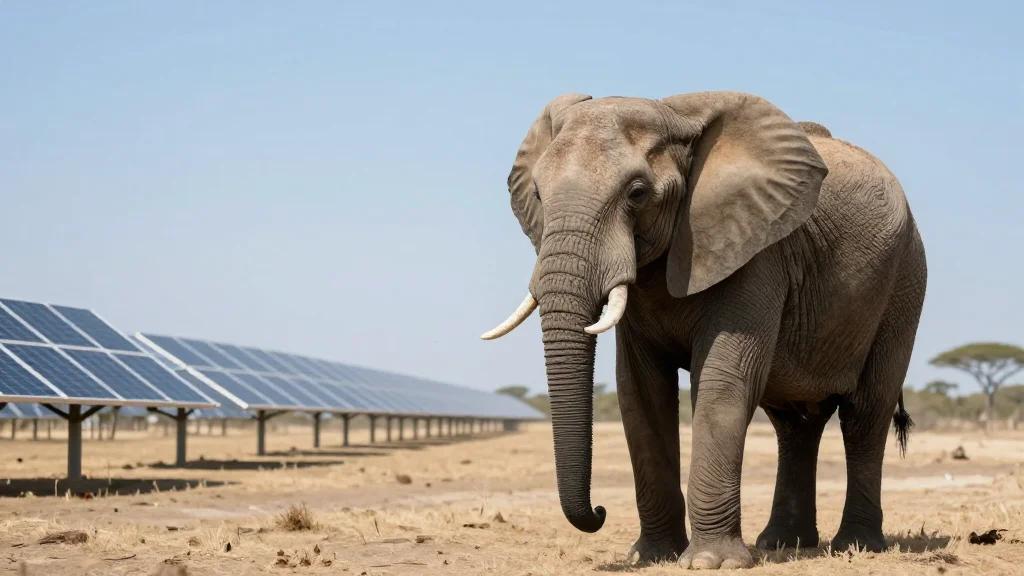
Sri Lanka’s 1,000‑Acre Solar Park Sparks Elephant Habitat Clash

Why It Matters
The dispute pits Sri Lanka’s urgent need for renewable power against the survival of its iconic elephant populations. With climate commitments driving rapid solar expansion, the Hambantota case could become a litmus test for how the country integrates biodiversity safeguards into its energy planning. A precedent that favors unchecked land clearance could accelerate habitat loss across the island, undermining tourism revenues tied to wildlife and eroding community support for future green projects. Conversely, a decision to relocate or redesign the park could demonstrate a viable model for low‑carbon development that respects ecological corridors. Such a model would be valuable for other South Asian nations grappling with similar trade‑offs, offering a template for aligning climate ambition with the United Nations’ biodiversity targets.
Key Takeaways
- •Sri Lankan cabinet approved a 405‑hectare (1,000‑acre) solar park on the edge of Hambantota’s Managed Elephant Range.
- •Human‑elephant conflict in Sri Lanka kills ~100 people and 400 elephants each year.
- •DWC data: 72 human deaths and 154 elephant deaths recorded in Hambantota from 2015‑2025.
- •Approximately 8,094 hectares (20,000 acres) of elephant habitat already lost to infrastructure in the district.
- •Farmers and MONLAR allege forest clearing has begun, using heavy machinery to burn scrub forest.
Pulse Analysis
The Hambantota solar park illustrates the classic ‘green‑growth paradox’ where climate‑friendly infrastructure can inadvertently damage the very ecosystems that provide climate resilience. Sri Lanka’s push for 70 % clean electricity by 2030 is laudable, but the choice of site reveals a gap in strategic land‑use planning. The MER was conceived to keep critical wildlife corridors intact while allowing limited human activity; carving a 405‑hectare hole through it defeats that purpose and risks a feedback loop of increased human‑elephant encounters, which in turn can fuel anti‑renewable sentiment among rural communities.
Historically, large‑scale projects in Sri Lanka—such as the Hambantota port and Mattala Rajapaksa International Airport—have been critiqued for overlooking environmental externalities. The current solar controversy may prompt a recalibration of the permitting process, potentially integrating mandatory ecological impact assessments that weigh habitat connectivity alongside grid benefits. If policymakers adopt a more holistic framework, the country could pioneer a ‘biodiversity‑first’ renewable model that other emerging economies might emulate.
Looking ahead, the outcome will influence foreign investment in Sri Lanka’s clean‑energy sector. Investors increasingly demand ESG compliance; a perceived neglect of wildlife safeguards could raise risk premiums or deter capital. Conversely, a transparent, science‑based siting decision could attract green finance, positioning Sri Lanka as a responsible player in the global energy transition.
Sri Lanka’s 1,000‑Acre Solar Park Sparks Elephant Habitat Clash
Comments
Want to join the conversation?
Loading comments...