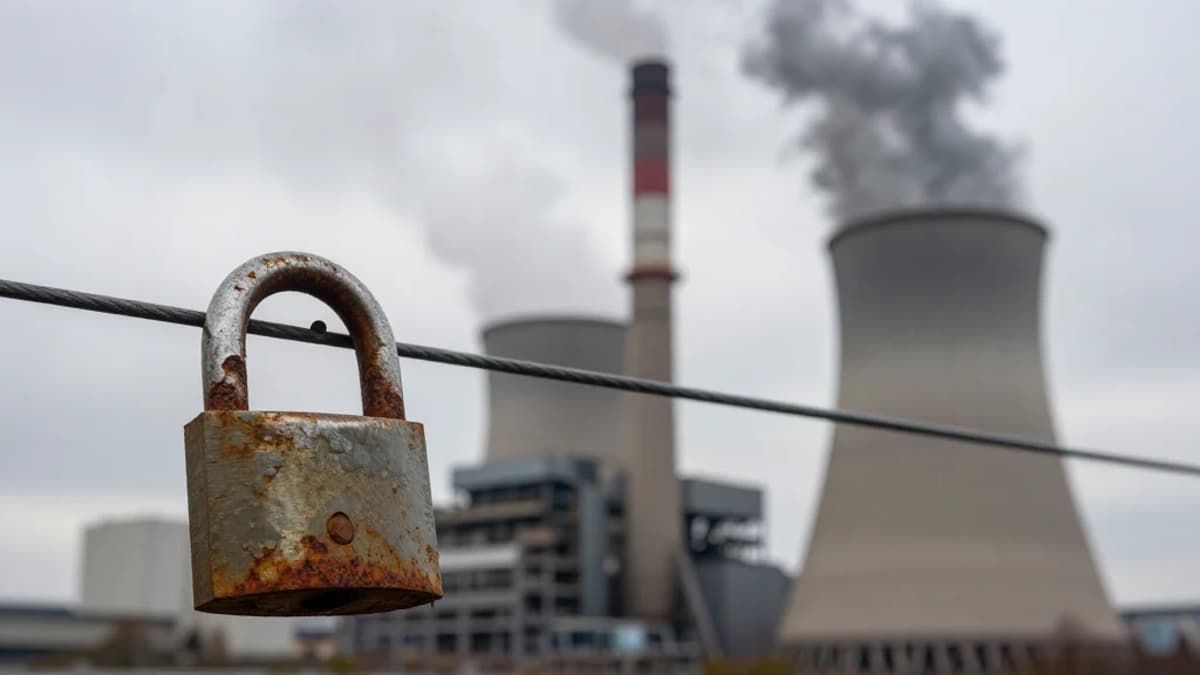
State-Run Parli Thermal Power Station Ordered to Stop Operation of 2 Units over Pollution
Why It Matters
The directive highlights escalating regulatory pressure on coal‑fired plants, threatening supply reliability while underscoring the cost of non‑compliance for utilities and investors.
Key Takeaways
- •CPCB orders shutdown of units 6 and 8
- •PM emissions exceed 50 mg/Nm³ limit
- •Operating consent expired December 2024
- •No continuous emission monitoring installed
- •Ash‑dyke safety audits missing since 2019
Pulse Analysis
India’s coal‑fired power sector faces heightened scrutiny as the Central Pollution Control Board moves to enforce stricter environmental standards. The shutdown order for Parli Thermal Power Station’s units 6 and 8 follows a decade‑long series of notices, inspections, and non‑compliance findings. By mandating online continuous emission monitoring and valid operating consents, regulators aim to curb particulate matter that contributes to poor air quality in Maharashtra’s Beed district. The plant’s failure to meet these requirements, coupled with illegal effluent discharges, illustrates the widening gap between legacy infrastructure and modern environmental expectations.
Beyond the immediate operational impact, the closure underscores financial and reputational risks for state‑run utilities. Units 6, 7 and 8 were running despite a 2018 closure direction, and their PM concentrations—87, 85 and 91 mg/Nm³—far surpassed the 50 mg/Nm³ threshold. The absence of dust suppression at coal yards and neglected ash‑dyke safety audits since 2019 further expose the plant to potential fines, litigation, and forced retrofits. For investors, such regulatory breaches signal heightened due‑diligence requirements and may affect credit ratings or future financing for similar assets.
The Parli case reflects a broader shift in India’s energy policy, where environmental compliance is becoming a prerequisite for continued operation. As the government pushes for cleaner energy mixes and tighter emission caps, coal plants must accelerate upgrades or risk curtailment. Stakeholders—including policymakers, plant operators, and financiers—should monitor CPCB actions closely, as they set precedents that could accelerate the de‑commissioning of underperforming units and drive capital toward renewable alternatives. Aligning operational practices with evolving standards will be essential for maintaining grid stability while meeting climate commitments.
State-run Parli Thermal Power Station ordered to stop operation of 2 units over pollution


Comments
Want to join the conversation?
Loading comments...