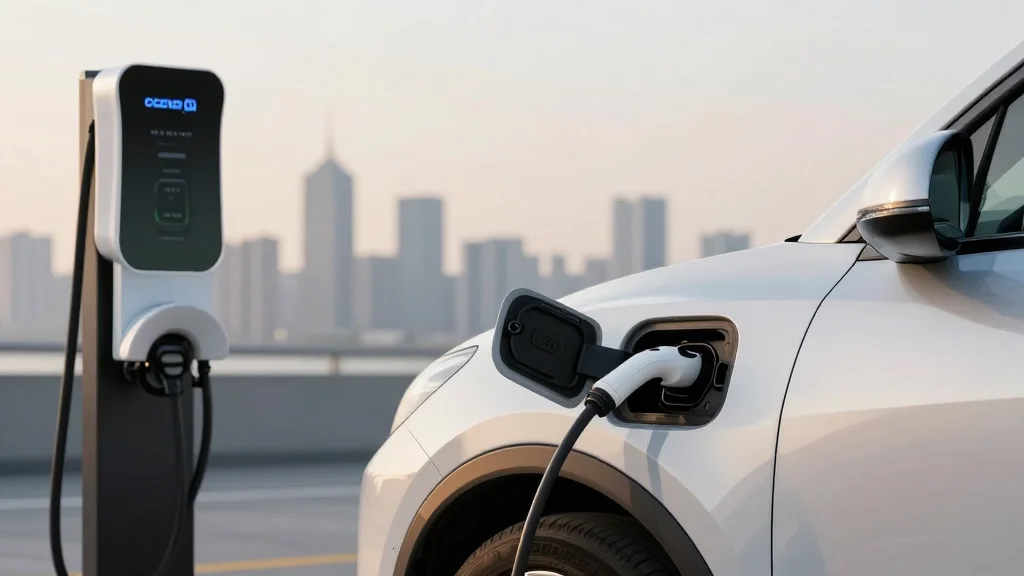
State Threatens to Step in if Regulator and Networks Fail to Remove EV Charging “Handbrakes” And Sort Out Tariffs
Why It Matters
Removing tariff and connection barriers will accelerate public‑charger deployment, lowering costs for consumers and sustaining Victoria’s rapid EV adoption. The approach also sets a regulatory benchmark for other Australian states and the Commonwealth.
Key Takeaways
- •Victoria aims to regulate tariffs if AER fails by month‑end
- •Demand‑charge reforms target cost reduction for ultra‑rapid charging sites
- •Networks must publish connection data, timelines, and costs publicly
- •Governance review of VSIR to improve transparency and safety by July
Pulse Analysis
The Victorian government’s new Charging Regulatory Statement arrives at a pivotal moment for Australia’s electric‑vehicle market. EV sales have exploded nearly ten‑fold since the state’s Zero‑Emission Vehicle Roadmap, pushing registrations above 100,000. Policymakers see the surge as both an opportunity and a pressure point: without coordinated regulatory action, the rollout of public and kerbside chargers could stall, leaving drivers with limited access and higher electricity costs. By setting clear objectives—adjusting network tariffs, reforming demand charges, mandating data transparency, and reviewing service rules—Victoria aims to create a predictable environment that encourages private investment while protecting consumers.
At the heart of the plan are tariff reforms designed to align charging prices with renewable generation patterns. Day‑time rates would reward charging when solar output is abundant, while higher evening prices would discourage peak‑time demand that strains the grid. Simultaneously, the government seeks to curb demand‑charge structures that inflate operating costs for ultra‑rapid chargers, a critical component for long‑distance travel. By ensuring charge‑point operators are not penalised for high‑capacity installations, the policy seeks to prevent a fragmented network of undersized chargers and instead foster a robust, future‑ready infrastructure.
The initiative also signals a broader shift in Australian energy policy. Industry bodies such as Energy Networks Australia and Nexa Advisory have called for streamlined rules that allow existing pole infrastructure to host chargers, accelerating deployment and reducing capital outlays. Victoria’s willingness to intervene if the Australian Energy Regulator falls short could prompt other states to adopt similar hands‑on approaches, potentially harmonising national standards. If successful, the state could become a model for cost‑effective, scalable EV charging networks, delivering tangible savings to all electricity users, EV owners and otherwise alike.
State threatens to step in if regulator and networks fail to remove EV charging “handbrakes” and sort out tariffs
Comments
Want to join the conversation?
Loading comments...