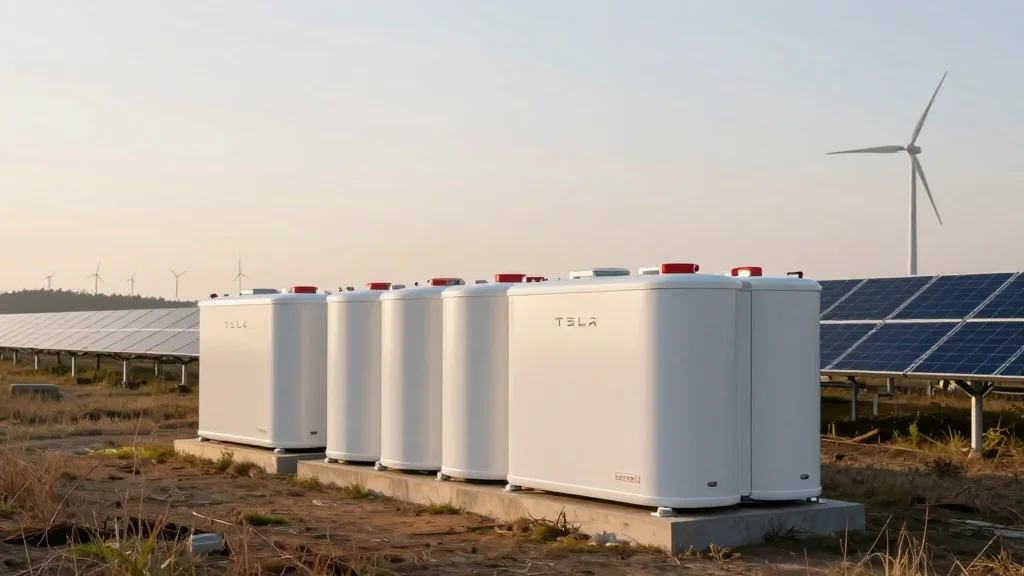
State Utility Eyes 8-12 Hour Energy Storage Investment After “Standout” Success of Four-Hour Big Battery
Companies Mentioned
Why It Matters
The success of MREH validates large‑scale batteries as a cost‑effective alternative to gas peaking, accelerating Victoria’s transition to zero‑emission reliability. SEC’s push for 4‑12‑hour storage fills a critical pipeline gap before coal retirements, shaping Australia’s broader energy‑transition roadmap.
Key Takeaways
- •SEC invested $245 M in 600 MW Melbourne battery
- •MREH shifted >61,000 MWh, powering ~55,000 homes daily
- •Average summer wholesale price fell to $37/MWh
- •SEC aims for 4.5 GW renewables & storage by 2035
- •New Easy Electric portal lowers consumer electrification barriers
Pulse Analysis
The Melbourne Renewable Energy Hub has become a benchmark for utility‑scale battery deployment in Australia. By delivering up to four hours of storage, the hub smooths the notorious solar duck curve, compresses peak‑hour prices and reduces reliance on gas‑fired peakers. Its 77 charge‑discharge cycles last summer moved more than 61,000 MWh, translating into tangible savings for households and a lower average market price of $37 per megawatt‑hour – the lowest in three summers. This performance underscores how strategically placed batteries can unlock additional renewable capacity, especially in Victoria’s high‑voltage network corridors.
Looking ahead, the SEC’s strategic pivot toward 4‑12‑hour storage addresses a looming gap as the Yallourn coal plant retires in 2028. Longer‑duration technologies, ranging from flow batteries to advanced lithium chemistries, promise firm, zero‑emission firming for seasonal deficits when wind and solar output dip. By partnering with original equipment manufacturers and securing joint‑development agreements, the SEC aims to fast‑track projects that can reach final investment decisions before the coal phase‑out, ensuring grid reliability without costly fossil‑fuel back‑up.
Beyond grid assets, the SEC is tackling the consumer side of the transition. Its Easy Electric platform aggregates information on appliance upgrades, financing options and government rebates, directly addressing the four barriers identified in pilot research: awareness, perceived complexity, trust, and cost. By streamlining the electrification journey and linking users to SEC‑endorsed installers, the initiative accelerates demand for clean electricity, reinforcing the business case for expanded storage and renewable generation. Together, these moves position Victoria as a testbed for integrated, low‑carbon energy systems that other Australian states may soon emulate.
State utility eyes 8-12 hour energy storage investment after “standout” success of four-hour big battery
Comments
Want to join the conversation?
Loading comments...