Why It Matters
The partnership gives Statkraft a foothold in Germany’s growing hybrid market and creates a revenue‑rich model that leverages short‑term price signals, accelerating renewable integration and enhancing earnings quality for both firms.
Key Takeaways
- •Statkraft to market three German hybrid solar‑battery projects.
- •Portfolio delivers 34.5 MWp solar, 12 MW battery, 24 MWh storage.
- •Profit‑sharing model runs until 2031 for battery assets.
- •Statkraft will handle generation, storage, trading, and optimization.
- •Hybrid assets aim to capture short‑term market revenue opportunities.
Pulse Analysis
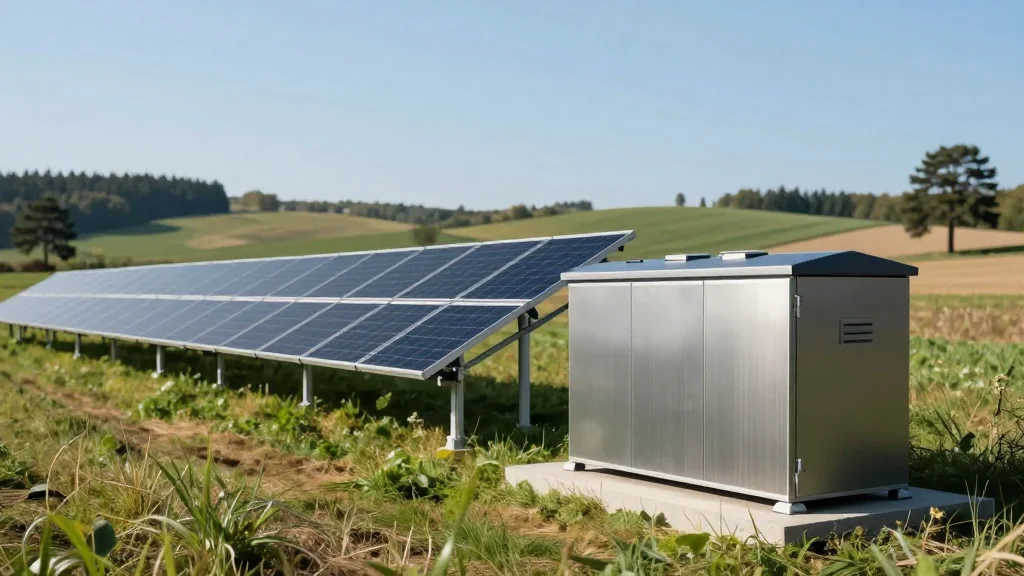
The European power sector is rapidly embracing hybrid solar‑plus‑storage installations as a pragmatic way to smooth intermittent generation and provide grid‑balancing services. Statkraft, Europe’s largest renewable generator, has accelerated its entry into this niche by partnering with Germany‑based SUNCATCHER to market three combined‑technology sites—Klötze II, Salzwedel and Seehausen. Together they represent 34.5 MWp of photovoltaic capacity paired with 12 MW of battery power and 24 MWh of storage, slated for commercial operation in the second half of 2026. By taking responsibility for marketing, optimisation and trading, Statkraft positions itself as a one‑stop operator for integrated hybrid assets.
The agreement, which extends to 2031, embeds a profit‑sharing arrangement that ties Statkraft’s earnings to the performance of the battery component. This model aligns incentives for both parties: SUNCATCHER supplies the engineered assets while Statkraft leverages its deep expertise in short‑term market dynamics to extract value from price spikes, ancillary services and congestion relief. Such flexibility is increasingly valuable as European markets transition toward higher renewable penetrations and price volatility intensifies. The partnership therefore creates a transparent revenue stream that can improve the overall earnings quality of the projects.
For Germany, the addition of three hybrid sites bolsters the country’s ambition to reach 80 % renewable electricity by 2030 and supports grid stability without costly new transmission. Statkraft’s involvement also signals confidence in the commercial viability of hybrid configurations, likely encouraging further investment from both domestic and international developers. As more operators adopt integrated marketing and control strategies, the market could see a shift toward asset‑level optimisation rather than traditional, siloed solar or storage projects. In the longer term, this approach may become a standard template for unlocking the full economic potential of renewable energy.
Statkraft to market German hybrid portfolio
Comments
Want to join the conversation?
Loading comments...