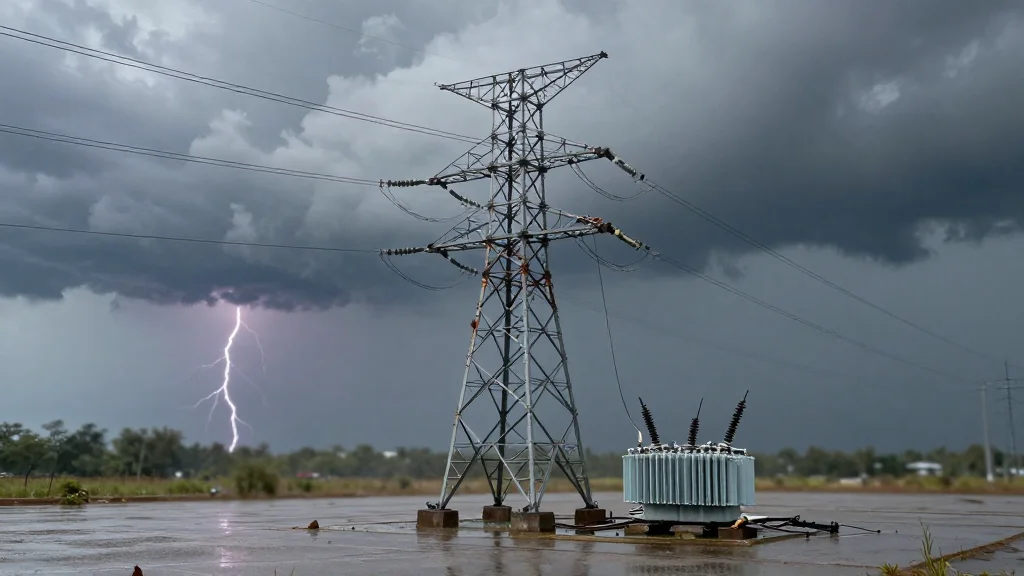
Storms Leaves Ludhiana Power Grid with ₹2-Crore Infrastructure Bill.
Why It Matters
The outage highlights the vulnerability of critical energy infrastructure to extreme weather, prompting urgent investment and policy focus on grid resilience in India’s fast‑growing power market.
Key Takeaways
- •Damage exceeds ₹2 crore (~$240k) across 71 transformers, 200 poles
- •Lalton grid outage affected Pakhowal Road, Dehlon, Gill neighborhoods
- •Engineers rerouted power via BBMB Jamalpur station to sustain essential services
- •PSPCL to seek emergency state funding for 220 kV tower reconstruction
Pulse Analysis
India’s power sector is increasingly exposed to climate‑driven disruptions, and the recent Ludhiana storm serves as a stark reminder of that reality. The damage, quantified at more than ₹2 crore, underscores how a single weather event can cripple a regional grid, affecting not only electricity but also water supply and cooling systems essential for public health during heat waves. For utilities like Punjab State Power Corporation Limited, rapid response—such as rerouting power through the Bhakra Beas Management Board’s Jamalpur station—becomes a critical capability to maintain continuity of service and protect revenue streams.
Beyond immediate repairs, the incident raises strategic questions about long‑term grid resilience. The loss of a 220 kV tower and extensive transformer damage points to aging infrastructure that may not be designed for the intensity of modern storms. Utilities are now under pressure to accelerate modernization programs, including underground cabling, smart grid technologies, and more robust tower designs. Securing emergency funding from state authorities, as PSPCL plans, can bridge short‑term gaps, but sustained capital investment will be essential to mitigate future outages and meet India’s ambitious electrification and renewable integration targets.
For investors and policymakers, the Ludhiana outage illustrates a broader market trend: infrastructure risk is becoming a material factor in energy valuations. Companies that proactively upgrade assets and adopt climate‑adaptive planning are likely to enjoy lower outage costs and stronger regulatory goodwill. Meanwhile, insurers and lenders are tightening underwriting criteria for utilities with exposed overhead networks. As India pushes toward a greener, more reliable power system, events like this will shape financing decisions, policy frameworks, and the competitive landscape for grid‑service providers.
Storms leaves Ludhiana power grid with ₹2-crore infrastructure bill.
Comments
Want to join the conversation?
Loading comments...