Strong Policy, Weak Delivery: Statkraft Boss on Where UK and Ireland Fall Short on Renewables
Why It Matters
The bottlenecks highlighted by Statkraft could delay Europe’s renewable‑energy targets and increase reliance on fossil fuels, underscoring the need for faster permitting and clearer storage incentives.
Key Takeaways
- •Statkraft targets >1 GW renewable projects in UK/Ireland.
- •300 MW of lithium‑ion batteries now operational in Britain.
- •Planning delays and grid access uncertainty impede project delivery.
- •UK LDES scheme offers minimum revenue floor for storage investors.
- •Hybrid wind‑battery projects face regulatory restrictions in Ireland.
Pulse Analysis
Statkraft’s aggressive rollout in the British Isles illustrates how private capital is responding to ambitious renewable targets, yet the company’s experience reveals a mismatch between policy intent and on‑the‑ground execution. The UK’s Contracts for Difference auction and Ireland’s clear renewable‑support mandates have attracted sizable investments, but developers repeatedly cite protracted planning consents and unpredictable grid connection timelines as the primary friction points. This regulatory lag not only inflates project costs but also jeopardises the timing of capacity additions needed to meet decarbonisation pathways.
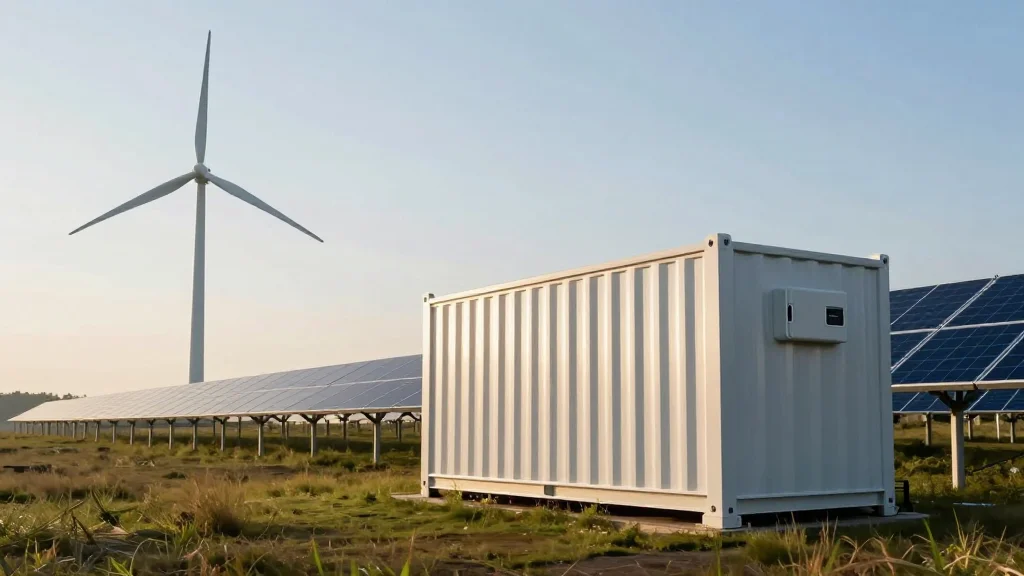
Energy storage is emerging as the linchpin for higher renewable penetration, and Statkraft’s 300 MW of lithium‑ion batteries exemplify the shift toward flexible, short‑duration solutions. The UK’s newly introduced long‑duration energy storage (LDES) scheme, which sets a minimum eight‑hour duration and provides a revenue floor, aims to de‑risk larger‑scale assets such as pumped hydro and flow batteries. By offering a predictable cash‑flow baseline, the scheme encourages broader investor participation and could accelerate the deployment of projects like the 500 MW Loch na Cathrach pumped‑hydro facility, delivering critical firm capacity during low‑wind periods.
Hybrid projects that co‑locate generation and storage promise efficiency gains but remain hamstrung by outdated market rules. Statkraft’s inability to operate fully integrated wind‑battery sites behind the meter in Ireland highlights a regulatory gap that limits the economic case for such configurations. Aligning grid codes and market designs with hybrid architectures would unlock new value streams, reduce curtailment, and smooth supply‑demand mismatches. As Europe races toward net‑zero, policymakers must prioritize streamlined permitting, robust grid‑expansion plans, and adaptive regulations to translate strong policy signals into tangible renewable capacity.
Strong policy, weak delivery: Statkraft boss on where UK and Ireland fall short on renewables
Comments
Want to join the conversation?
Loading comments...