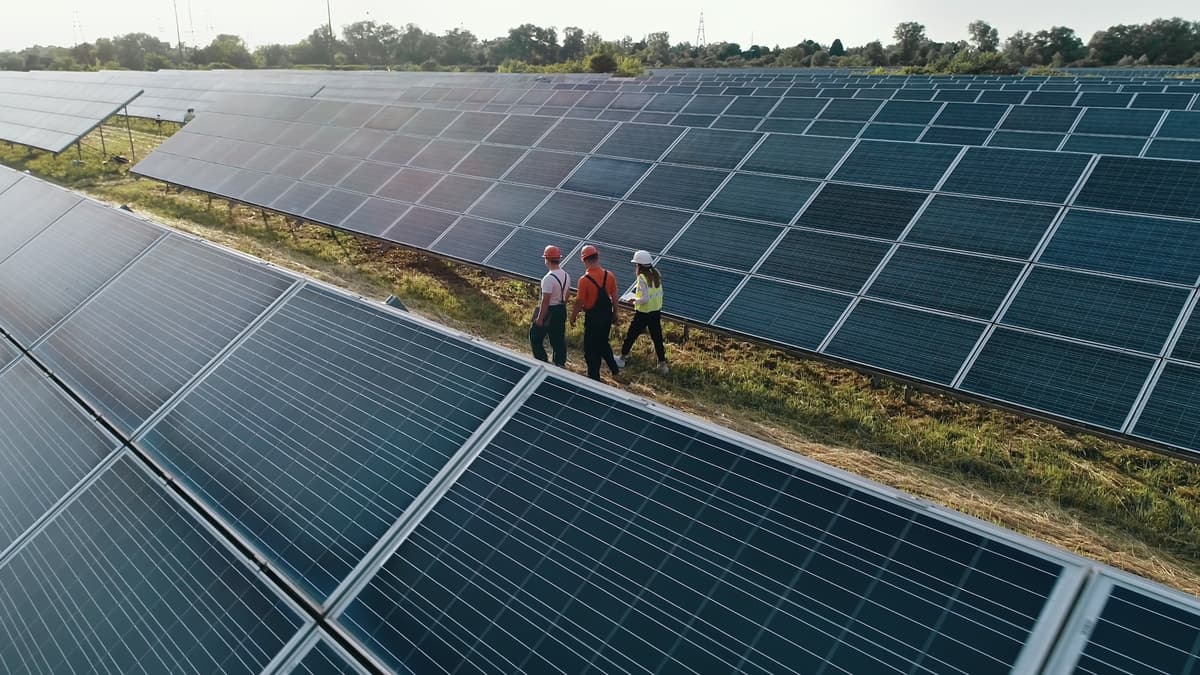
Study: States Approved 90% of Renewable Energy Projects Between 2018 and 2024
Why It Matters
The high overall approval rate signals a generally supportive regulatory climate for clean energy, but Ohio’s local‑veto mechanism could create bottlenecks that slow national decarbonization goals.
Key Takeaways
- •States approved 90% of wind and solar project applications (2018‑2024).
- •Ohio received 61 proposals, rejecting the most projects nationally.
- •Senate Bill 52 (2021) lets Ohio locals block utility‑scale renewables.
- •Kentucky, Maryland, Minnesota, Mississippi, New York also decide at state level.
- •Local jurisdiction control may hinder U.S. clean‑energy deployment.
Pulse Analysis
The study’s 90% approval figure underscores a broader trend: state governments are increasingly aligning permitting processes with federal clean‑energy objectives. By streamlining approvals for utility‑scale wind and solar, states reduce project lead times and attract capital, helping the United States edge toward its 2030 emissions targets. Investors interpret these high approval rates as a signal of reduced regulatory risk, prompting a surge in financing for large‑scale renewable farms across the Midwest and South.
Ohio, however, presents a contrasting case. Senate Bill 52, passed in 2021, devolved siting authority to municipalities, allowing them to label parcels as off‑limits for utility‑scale projects. This policy shift has led Ohio to reject a larger share of proposals than any other state, despite a relatively high overall approval percentage. The local veto power creates a patchwork of permitting outcomes, increasing uncertainty for developers who must navigate divergent municipal standards and potentially redesign projects to meet local opposition.
For the renewable sector, the findings highlight the importance of balancing state‑level ambition with local stakeholder engagement. While most states are facilitating rapid deployment, jurisdictions that empower local vetoes could become choke points, prompting developers to prioritize states with clearer, centralized permitting pathways. Policymakers aiming to meet national clean‑energy goals may need to consider harmonizing local and state regulations, offering incentives for municipalities that adopt pro‑renewable zoning, and ensuring that community concerns are addressed without stalling critical infrastructure projects.
Study: States approved 90% of renewable energy projects between 2018 and 2024
Comments
Want to join the conversation?
Loading comments...