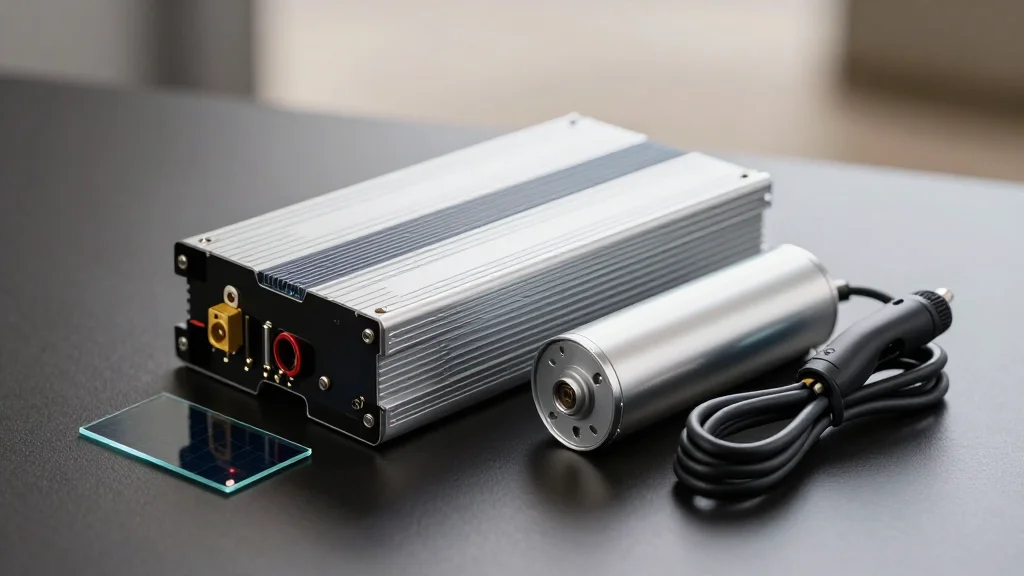
Sungrow Rolls Out Full‑Scenario PV Inverter and Storage Platform to Meet 4,000 TWh Demand by 2030

Companies Mentioned
Why It Matters
Sungrow’s launch addresses a critical bottleneck in the decarbonization of energy‑intensive industries. By delivering a plug‑and‑play inverter‑storage system that can be tuned to the unique demands of mining, hydrogen, and EV‑charging applications, the company reduces the technical and financial barriers that have slowed renewable adoption in these sectors. The projected 4,000 TWh demand by 2030 underscores the scale of the challenge; a solution that improves grid stability and lowers power costs could unlock billions of dollars of investment and significantly cut greenhouse‑gas emissions. The platform also signals a shift toward more integrated, scenario‑specific hardware in the broader clean‑energy market. As grids become increasingly heterogeneous, manufacturers that can provide flexible, high‑performance solutions are likely to capture a larger share of the growing demand for resilient, low‑carbon power infrastructure.
Key Takeaways
- •Sungrow unveiled a full‑scenario PV inverter and storage solution at GRES 2026 in Hefei
- •Targeted sectors: mining & microgrids, hydrogen production, EV charging
- •Combined projected electricity demand for these sectors: 4,000 TWh by 2030
- •Solution offers configurable inverter architecture, scalable battery modules, and grid‑support functions
- •Pilot deployments slated for Australian mines, a German hydrogen hub, and North American EV‑charging networks
Pulse Analysis
Sungrow’s entry into the full‑scenario market reflects a broader industry trend: the convergence of power conversion and storage into a single, adaptable product line. Historically, inverter manufacturers have focused on utility‑scale solar farms, while storage providers catered to separate applications. By merging the two, Sungrow not only leverages its dominant market position but also anticipates the operational realities of next‑generation energy users who demand both reliability and flexibility.
The timing is strategic. Global capital flows into renewable projects have surged, yet many developers cite grid integration risk as a deal‑breaker, especially in remote or industrial contexts. Sungrow’s platform mitigates that risk by embedding advanced grid‑support capabilities—frequency response, voltage ride‑through, and fast‑acting storage—directly into the inverter package. This reduces the need for ancillary equipment and simplifies engineering, potentially shortening project timelines by months. For investors, the performance‑based contract model could translate into more predictable returns, aligning revenue with actual energy savings rather than equipment sales alone.
Competitors such as SMA, Huawei, and Tesla are also expanding their integrated offerings, but Sungrow’s claim of a "premium, customized" solution suggests a focus on high‑margin, niche deployments rather than mass‑market residential kits. If the pilot projects deliver the promised cost reductions and reliability gains, the company could set a new benchmark for industrial‑scale renewable integration. The upcoming data releases at GRES 2027 will be a litmus test: success could accelerate the rollout of similar scenario‑specific platforms across the sector, while any performance shortfalls may reinforce the status quo of separate inverter and storage contracts.
Sungrow Rolls Out Full‑Scenario PV Inverter and Storage Platform to Meet 4,000 TWh Demand by 2030
Comments
Want to join the conversation?
Loading comments...