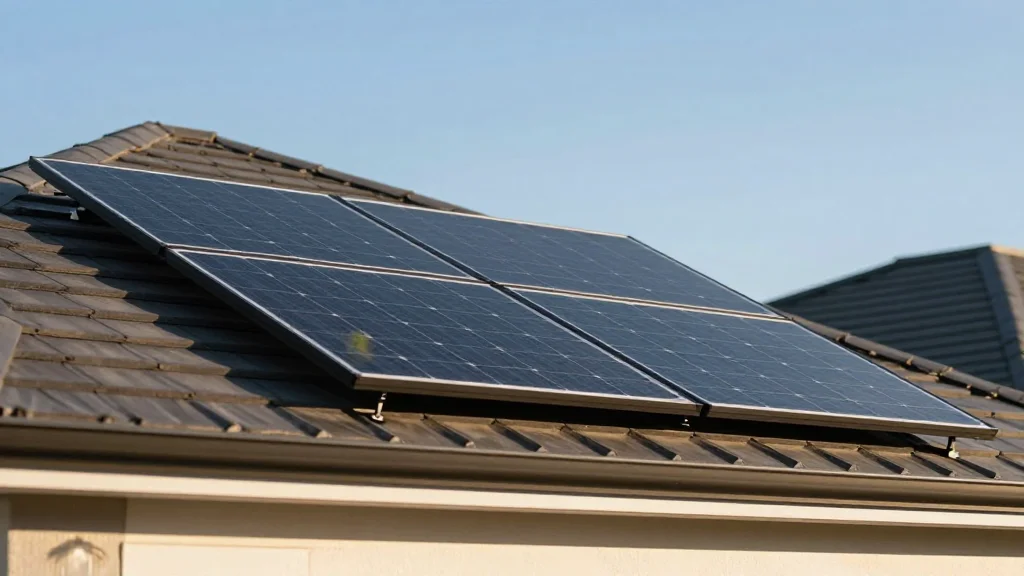
Sunrun Ranked No. 5 on TIME’s 2026 Most Impactful Companies List

Companies Mentioned
Why It Matters
Sunrun’s placement on TIME’s list signals that residential clean‑energy solutions are moving from niche projects to mainstream grid assets. By quantifying savings, emissions reductions, and backup power hours, the company demonstrates how distributed solar and storage can directly address climate goals while enhancing grid reliability. The recognition also validates the subscription model as a viable pathway to broaden access for lower‑income households, a demographic traditionally left out of the clean‑energy transition. For policymakers and utilities, Sunrun’s impact metrics provide a data‑driven case for integrating DERs into planning processes. As the grid confronts rising demand from electrified transport and data‑intensive industries, the ability to tap a nationwide fleet of home batteries could defer costly transmission upgrades and reduce reliance on fossil‑fuel peakers. Sunrun’s success may spur additional regulatory reforms that reward homeowners for providing grid services, accelerating the shift toward a more decentralized, resilient energy system.
Key Takeaways
- •Sunrun ranked No. 5 on TIME’s 2026 World’s Most Impactful Companies, top in utilities.
- •Company’s subscription model has delivered $1.9 billion in customer energy savings.
- •Sunrun’s battery fleet avoided 26.2 million metric tons of CO₂, equal to 69 gas plants offline for a year.
- •18 distributed power‑plant programs help grid operators manage peak demand and price spikes.
- •The firm serves 37,000 low‑income multifamily households, providing $21.8 million in annual savings.
Pulse Analysis
Sunrun’s ascent to the upper echelon of TIME’s impact list underscores a broader industry shift: residential DERs are no longer peripheral add‑ons but core components of grid strategy. Historically, utilities have viewed rooftop solar as a net‑negative, fearing revenue erosion. Sunrun’s model flips that narrative by monetizing stored energy during peak periods, turning homeowners into active grid participants. This creates a virtuous cycle—more subscribers mean greater dispatchable capacity, which in turn makes the grid more resilient and reduces the need for expensive peaker plants.
The subscription approach also tackles a classic barrier to clean‑energy adoption: upfront capital. By spreading costs over a predictable monthly fee, Sunrun democratizes access, especially for low‑income families who stand to gain the most from bill predictability and backup power. As climate‑policy frameworks increasingly emphasize equity, Sunrun’s data could become a benchmark for future incentive programs, encouraging other players to adopt similar financing structures.
Looking forward, Sunrun’s impact credentials position it to capture a larger share of the emerging DER market, especially as federal and state policies evolve to reward grid services. The company’s vehicle‑to‑grid pilots hint at a future where electric‑vehicle batteries complement home storage, multiplying the flexibility of the residential fleet. If Sunrun can sustain its growth while navigating regulatory complexities, it could set the template for a decentralized, resilient, and inclusive energy system that other nations may emulate.
Sunrun Ranked No. 5 on TIME’s 2026 Most Impactful Companies List
Comments
Want to join the conversation?
Loading comments...