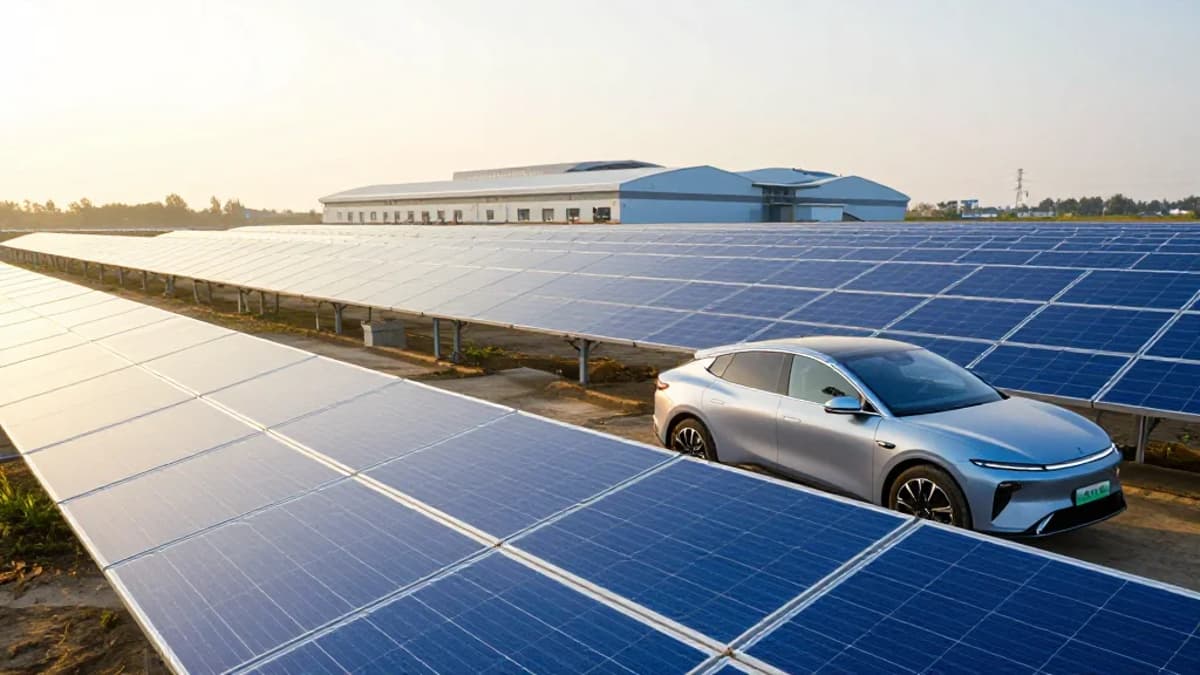
Sunsure Energy Signs Solar PPAs with Daeseung Group Firms in Tamil Nadu
•March 8, 2026
0
Why It Matters
The PPAs demonstrate how Indian manufacturers are using solar contracts to cut carbon footprints and hedge against rising energy costs, accelerating the country’s industrial decarbonisation.
Key Takeaways
- •Sunsure provides 8M units annually to Daeseung facility
- •Ilgahng receives 4.7M units from same solar plant
- •Agreements cover ~60% of Daeseung's power needs
- •Combined CO₂ reduction exceeds 9,200 tonnes yearly
- •75 MW Ilayangudi plant powers two major automotive firms
Pulse Analysis
India’s industrial sector is accelerating its transition to clean power as state policies and rising electricity costs push manufacturers toward long‑term renewable contracts. Solar power purchase agreements (PPAs) have become a preferred mechanism, offering price certainty and aligning with ESG commitments. The southern state of Tamil Nadu, with its high solar irradiance, now hosts a growing pipeline of utility‑scale projects that can meet the baseload demand of energy‑intensive factories. This environment creates fertile ground for developers like Sunsure Energy to secure multi‑year off‑take deals.
The recent agreements between Sunsure Energy and two Daeseung Group subsidiaries illustrate how automotive component makers are leveraging solar PPAs to de‑carbonise operations. By sourcing roughly eight million kilowatt‑hours for Daeseung Autoparts India and 4.7 million kilowatt‑hours for Ilgahng Automotive from a 75 MW plant in Ilayangudi, the firms will cover about 60 % of Daeseung’s electricity consumption. The contracts translate into an annual avoidance of approximately 5,800 tCO₂ for Daeseung and 3,400 tCO₂ for Ilgahng, while shielding both companies from volatile grid tariffs.
Beyond the immediate emissions cut, the deals signal a broader shift in the automotive supply chain toward energy resilience. As global automakers tighten carbon‑intensity targets, tier‑one suppliers are expected to adopt similar renewable sourcing strategies, creating a ripple effect across ancillary industries. Policymakers are likely to incentivise such arrangements through tax credits and streamlined permitting, further lowering the cost of solar procurement. For developers, aggregating demand from multiple co‑located factories improves project economics, paving the way for larger, more efficient solar farms in industrial corridors.
Sunsure Energy signs solar PPAs with Daeseung Group firms in Tamil Nadu
0
Comments
Want to join the conversation?
Loading comments...