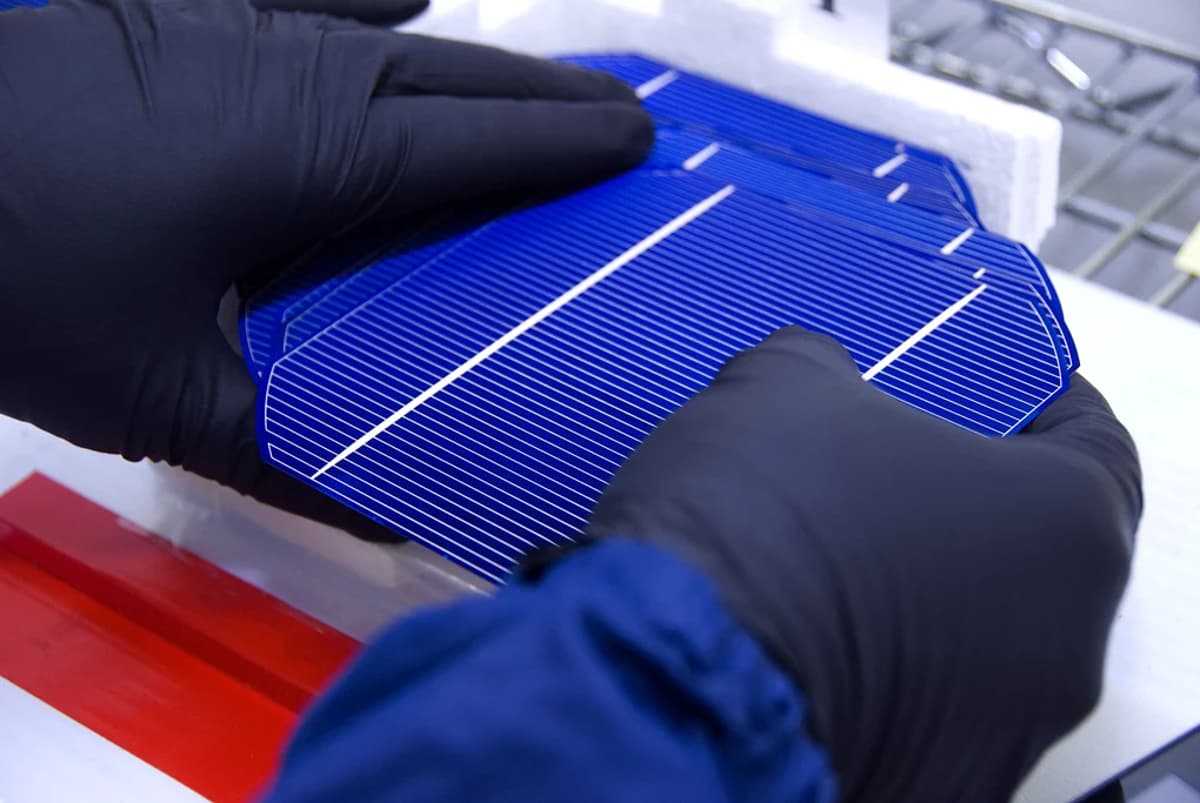
Sunwafe Secures Land Permits for 20GW Spain Solar Wafer Plant, Appoints New CEO
Why It Matters
The project could dramatically cut Europe’s dependence on imported solar wafers, strengthening the continent’s clean‑energy value chain and creating high‑tech jobs. It also signals investor confidence in Europe’s emerging renewable‑manufacturing ecosystem.
Key Takeaways
- •Michael Pinto, ex‑GE Capital, becomes Sunwafe CEO.
- •Sunwafe cleared permits for 20 GW wafer plant in Asturias.
- •Plant aims to produce 2.5 billion wafers annually by 2029.
- •Spanish government contributed €200 million (~$215 million) to project.
- •Initiative supports EU’s goal to reshore solar‑wafer production.
Pulse Analysis
Sunwafe’s decision to install Michael Pinto at the helm underscores the company’s ambition to blend financial rigor with clean‑tech entrepreneurship. Pinto’s track record at GE Capital and his recent clean‑energy ventures equip him to navigate the capital‑intensive rollout of a 20 GW wafer line—an undertaking that would make the plant one of the largest silicon‑wafer producers globally. By securing a 30‑hectare site in Asturias and a €200 million government grant, Sunwafe demonstrates that Europe is ready to fund large‑scale renewable‑manufacturing projects that were once deemed too risky.
The initiative dovetails with a suite of EU policies aimed at rebuilding strategic industrial capacity. Spain’s RENOVAL plan, the EU’s Net Zero Industry Act, and the forthcoming Industrial Accelerator Act collectively provide financial incentives, fast‑track permitting, and market guarantees for domestic solar‑cell and wafer production. These measures respond to the stark reality that over 80% of the world’s polysilicon and wafer output still originates in China, creating supply‑chain vulnerabilities for European solar developers. By establishing an upstream European hub, Sunwafe hopes to capture a share of the projected $200 billion global solar‑module market over the next decade.
For investors and policymakers, Sunwafe’s timeline—commercial operation by early 2029—offers a clear horizon for assessing return on investment and policy effectiveness. The plant is expected to generate thousands of skilled jobs and stimulate ancillary industries, from equipment suppliers to logistics firms. However, success will hinge on maintaining competitive wafer pricing amid persistent global overcapacity and ensuring a steady pipeline of raw polysilicon. If Sunwafe can balance these challenges, its project could become a blueprint for future European renewable‑manufacturing ventures, reinforcing the continent’s energy independence and climate goals.
Sunwafe secures land permits for 20GW Spain solar wafer plant, appoints new CEO
Comments
Want to join the conversation?
Loading comments...