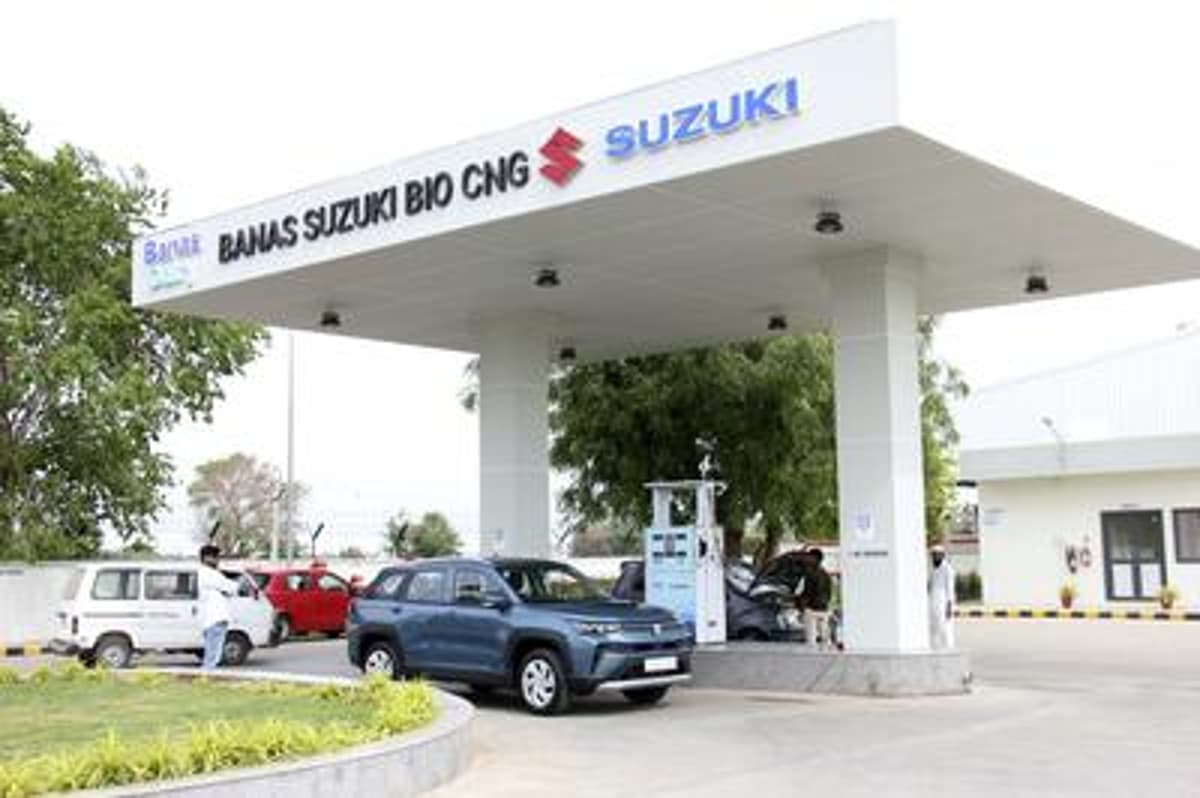
Suzuki Producing Biogas Auto Fuel From Cow Dung in India
Companies Mentioned
Why It Matters
The initiative demonstrates a scalable model for turning agricultural waste into clean vehicle fuel, reducing methane emissions while creating new revenue streams for Indian dairy farmers. It also strengthens Suzuki’s position in India’s growing CNG market and aligns with global climate goals.
Key Takeaways
- •Suzuki runs two biogas plants, targeting seven more nationwide
- •Plant processes 100 t of dung daily, yielding 1.5 t biogas
- •Biogas fuels ~850 CNG vehicles per day, cutting CO₂ emissions
- •Farmers earn ~₹1/kg, about $0.012 per kilogram, boosting incomes
- •Residue sold as organic fertilizer, supporting sustainable agriculture
Pulse Analysis
India’s dairy sector, home to roughly 300 million cattle, generates vast quantities of manure that have traditionally been a disposal challenge. Suzuki’s biogas plants in Gujarat capture this waste, fermenting it for about a month before refining the resulting methane into compressed natural gas. By integrating fuel production with a local refuelling station, the automaker creates a closed-loop system that supplies clean energy to nearby CNG‑powered vehicles, a segment that already accounts for about 20% of India’s auto market. This approach not only diversifies Suzuki’s fuel portfolio but also showcases how legacy automakers can leverage renewable resources to meet regional demand.
From an environmental perspective, converting cow dung into biogas tackles two climate‑related issues simultaneously. Methane, a potent greenhouse gas, is captured instead of being released from open pits, while the resulting CNG burns cleaner than gasoline, emitting less carbon dioxide and particulate matter. The plant’s daily output of 1.5 tons of biogas can power roughly 850 vehicles, translating into a measurable reduction in tailpipe emissions and contributing to India’s broader decarbonisation targets. Moreover, the organic residue left after digestion serves as a high‑quality fertilizer, enhancing soil health and reducing reliance on synthetic inputs.
Economically, the project offers a modest but meaningful income boost for local farmers, who receive about one rupee per kilogram of dung—approximately $0.012—equating to roughly $775 per household each year. This supplemental revenue can improve livelihoods in rural communities while encouraging participation in the circular‑economy model. Suzuki’s plan to add seven more plants signals confidence in the scalability of the concept, potentially inspiring other manufacturers and energy firms to explore similar waste‑to‑fuel initiatives. As the automotive industry pivots toward greener solutions, such localized renewable fuel projects could become a cornerstone of sustainable mobility in emerging markets.
Suzuki producing biogas auto fuel from cow dung in India
Comments
Want to join the conversation?
Loading comments...