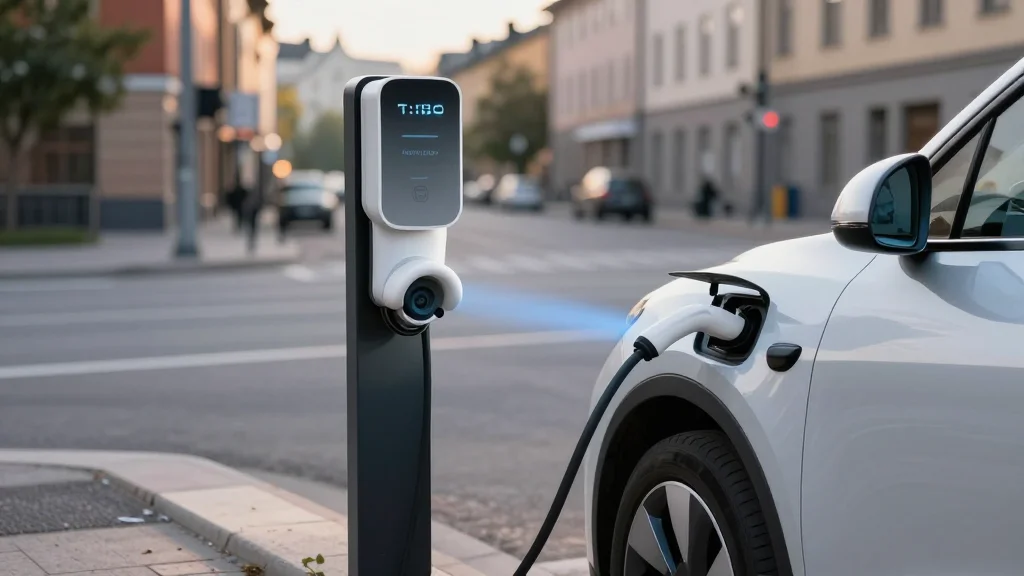
Sweden Starts 200‑Unit Bidirectional EV Charger Pilot to Boost Grid Flexibility

Companies Mentioned
Why It Matters
The Swedish trial demonstrates a practical pathway for integrating EVs into grid operations, turning a growing fleet of batteries into a flexible resource that can reduce reliance on fossil‑fuel peakers and improve renewable integration. By offering owners a revenue share, the pilot also tackles one of the lingering barriers to EV adoption—total cost of ownership—by turning parked cars into income‑generating assets. Beyond Sweden, the experiment could inform regulatory reforms across the EU, where policymakers are debating how to compensate distributed energy resources. A proven V2G model would give regulators concrete data on market value, grid reliability benefits, and consumer incentives, accelerating the rollout of similar programs in other jurisdictions.
Key Takeaways
- •Vattenfall, Energy Bank and Volkswagen launch a 200‑unit bidirectional EV charger pilot in Sweden.
- •Chargers can both charge EVs and feed electricity back to the grid, creating a virtual power plant.
- •Magnus Berg of Vattenfall highlights potential revenue for EV owners participating in V2G services.
- •The trial aims to improve grid stability for Sweden’s renewable‑heavy electricity mix.
- •Results will be published after a year to assess scalability and impact on electricity markets.
Pulse Analysis
The Swedish V2G pilot arrives at a moment when utilities worldwide are scrambling for flexible, low‑carbon storage solutions. Traditional battery farms require significant capital outlay and sit on fixed sites, whereas a network of vehicle batteries offers a distributed, scalable alternative that grows organically with EV adoption. By leveraging existing assets—private cars—Vattenfall sidesteps many of the cost barriers that have slowed utility‑scale storage projects.
Historically, vehicle‑to‑grid concepts have been demonstrated in limited settings, but few have combined a major utility, a financial services partner, and an automaker in a coordinated rollout. This alignment suggests a maturing ecosystem where each stakeholder can address a piece of the value chain: Vattenfall provides grid access, Energy Bank handles transaction settlement, and Volkswagen supplies the hardware and a ready pool of EVs. If the data show that owners can earn meaningful income without compromising battery health, the model could become a cornerstone of future EV business cases.
Looking ahead, the pilot’s success could trigger a cascade of policy adjustments, such as standardized tariffs for V2G services and incentives for home charger installations. It may also push automakers to embed bidirectional capability as a default feature, rather than an optional add‑on. For the broader energy market, the ability to tap into millions of mobile batteries could flatten peak demand curves, lower wholesale electricity prices during high‑load periods, and reduce the need for new fossil‑fuel generation capacity. The Swedish experiment, therefore, is not just a technical showcase—it is a potential catalyst for a new revenue paradigm that aligns consumer interests with grid resilience and climate goals.
Sweden Starts 200‑Unit Bidirectional EV Charger Pilot to Boost Grid Flexibility
Comments
Want to join the conversation?
Loading comments...