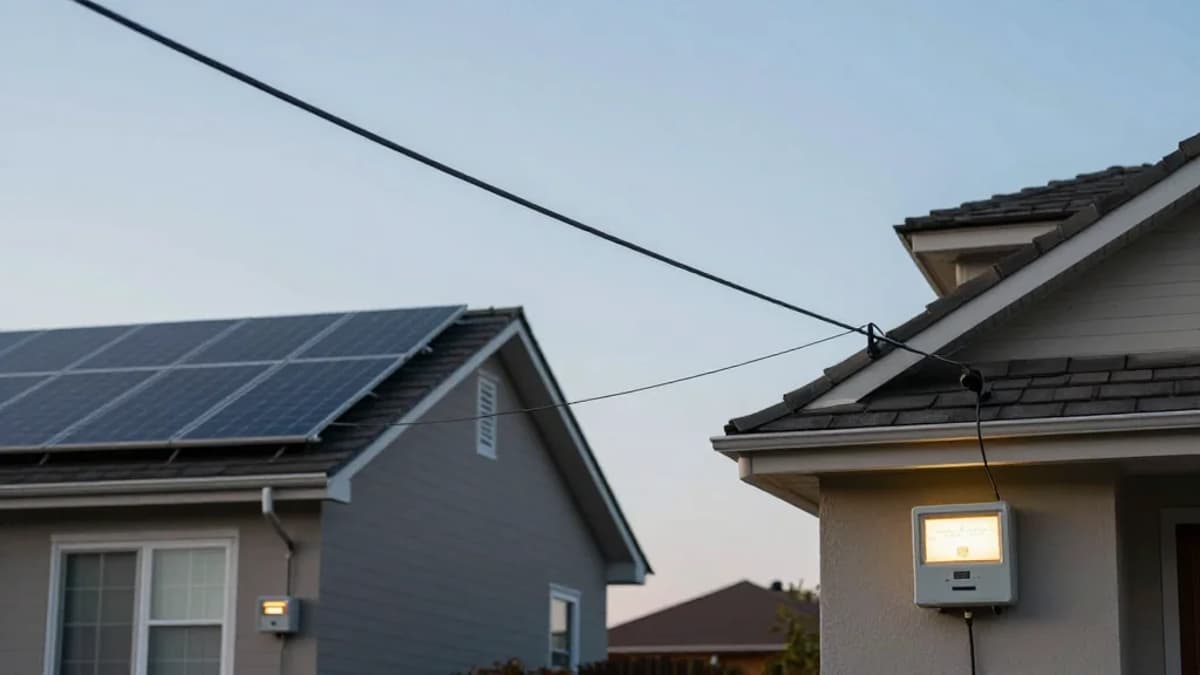
SwitchedOn Podcast: Are Solar Households Shifting Electricity Costs Onto Everyone Else?
•March 10, 2026
0
Why It Matters
The outcome will influence cost equity for vulnerable households and set the pricing framework for Australia’s rapidly decarbonising grid, affecting both consumers and investors.
Key Takeaways
- •Rooftop solar reduces midday grid demand significantly
- •AEMC draft may increase tariffs for non‑solar households
- •Low‑income renters risk higher electricity bills under new pricing
- •Vinnies Tariff Tracker shows wide cost disparities across regions
- •Policy outcome will shape cost sharing of Australia’s energy transition
Pulse Analysis
Australia’s rooftop solar boom, bolstered by home batteries and smart energy management, is flattening the traditional midday demand curve. By generating power when the sun is highest, solar‑equipped homes feed excess electricity back into the grid, easing peak‑load pressures and lowering overall system costs. This shift not only trims household bills but also reduces the need for costly peaking generators, positioning distributed generation as a cornerstone of the nation’s clean‑energy roadmap.
The AEMC’s draft review, however, raises a thorny equity question. Data from the Vinnies Tariff Tracker reveals that households without the capital to install solar or storage are paying a larger share of network and supply costs, a disparity that could widen under proposed tariff reforms. Low‑income renters, who lack ownership of the premises, may face steeper bills despite contributing little to grid demand, sparking concerns about regressive pricing structures and social fairness.
Policymakers now face a choice: design tariffs that reward grid‑reducing technologies or adopt a universal cost‑sharing model that spreads expenses across all consumers. Each path carries distinct market signals—reward‑based pricing could accelerate solar adoption and storage investment, while universal tariffs might ensure revenue stability for network operators but risk alienating vulnerable customers. The AEMC’s final decision will set the tone for Australia’s energy transition, influencing investment flows, consumer behavior, and the broader goal of a low‑carbon electricity system.
SwitchedOn podcast: Are solar households shifting electricity costs onto everyone else?
0
Comments
Want to join the conversation?
Loading comments...