SwitchedOn Podcast: Inside the World’s Largest Battery Electric Ferry
Why It Matters
A battery‑electric ferry of this scale demonstrates that large‑capacity maritime routes can be decarbonized, accelerating the industry’s shift toward sustainable logistics and stricter emissions regulations.
Key Takeaways
- •China Zorrilla: 130‑m, 2,000‑passenger, 225‑vehicle battery‑electric ferry.
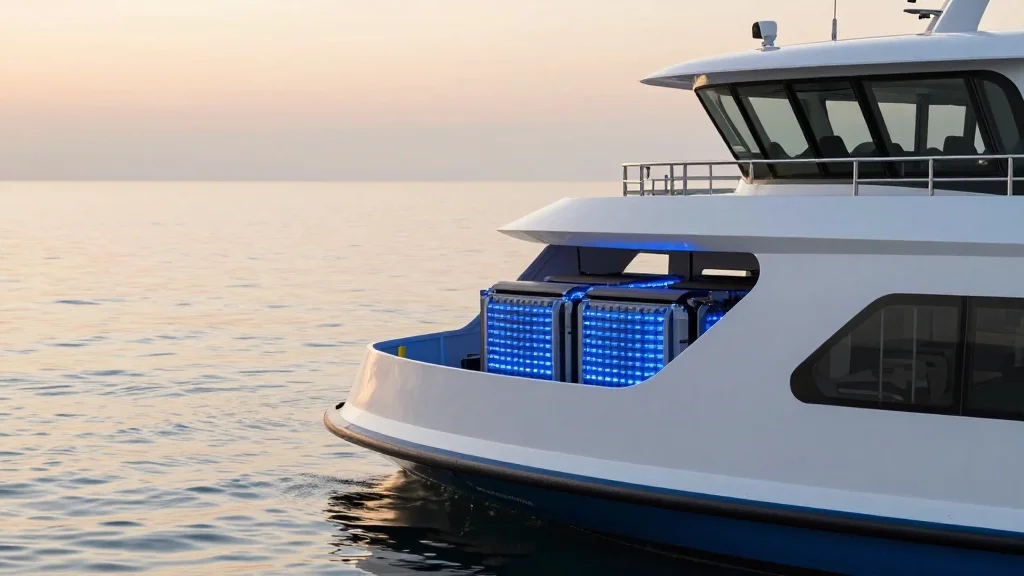
- •Over 5,000 lithium‑ion cells constitute the ship’s largest marine battery.
- •Incat built the vessel in Hobart, showcasing Tasmanian engineering.
- •Fully electric operation targets the Uruguay‑Argentina route, cutting emissions.
- •Battery‑electric ferries could redefine short‑haul maritime logistics worldwide.
Pulse Analysis
The maritime sector faces mounting pressure to curb greenhouse‑gas output, with the International Maritime Organization targeting a 50% reduction in carbon intensity by 2050. Battery‑electric propulsion, once limited to small craft, is emerging as a viable alternative for larger vessels thanks to advances in energy density, thermal management, and fast‑charging infrastructure. Operators are increasingly evaluating electric ferries as a way to meet regulatory mandates while appealing to environmentally conscious passengers, especially on routes where diesel fuel costs and emissions penalties are rising.
China Zorrilla embodies this transition. At 130 metres, the ferry houses four dedicated battery rooms containing over 5,000 lithium‑ion modules, delivering enough stored power for a round‑trip crossing of the Río de la Plata without a single drop of diesel. Incat leveraged its expertise in high‑speed catamarans to integrate the massive battery pack without compromising stability or passenger capacity. The vessel’s design also includes regenerative braking for vehicle decks and a shore‑side charging system capable of replenishing the batteries in under two hours, a critical factor for maintaining tight ferry schedules.
If the Uruguay‑Argentina service proves operationally and financially successful, it could catalyze a wave of similar projects across the globe. Ports in Europe, North America, and Asia are already investing in high‑power charging stations, and shipowners see electric ferries as a hedge against volatile fuel prices. Moreover, the reduced noise and vibration levels improve onboard experience, potentially attracting premium travelers. As more shipyards adopt modular battery architectures, economies of scale are expected to lower capital costs, making large‑scale electric ferries a competitive choice for short‑haul routes worldwide.
SwitchedOn podcast: Inside the world’s largest battery electric ferry
Comments
Want to join the conversation?
Loading comments...