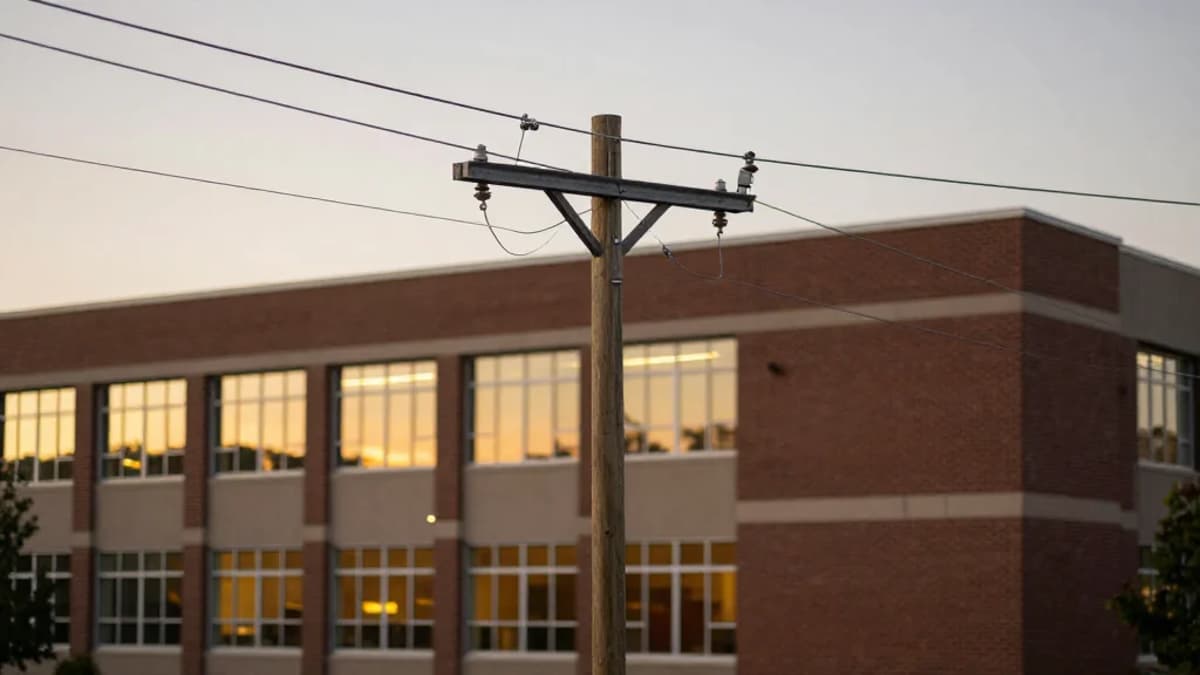
Tamil Nadu Power Distribution Corporation Declared No Power Cuts in State Till Public Exams Are Over
•February 28, 2026
0
Why It Matters
Ensuring uninterrupted electricity protects exam performance and student outcomes, while postponing maintenance creates a future reliability challenge for the grid.
Key Takeaways
- •TNPDCL halts all non‑emergency maintenance until exams end
- •Power cuts typically last five hours, disrupting study time
- •Directive covers Chennai and all Tamil Nadu districts
- •Emergency outages only permitted under unavoidable circumstances
- •Maintenance backlog may increase post‑exam reliability risks
Pulse Analysis
The timing of TNPDCL’s decision aligns with the critical window of Class XII and X board examinations, a period when students rely heavily on stable lighting and electronic devices. Historically, scheduled outages of up to five hours have forced schools to reschedule exams or students to study in dim conditions, prompting public outcry and governmental intervention. By suspending non‑essential maintenance, the utility aims to eliminate these disruptions, reinforcing the state’s commitment to educational outcomes and reducing the risk of exam‑related grievances.
From an operational perspective, the suspension of routine maintenance presents a double‑edged sword. While it safeguards immediate academic activities, it also postpones essential inspections and repairs of transformers, feeders, and substations—components that degrade over time, especially during the summer heat. Utilities typically schedule such work during low‑demand windows to minimize impact; delaying it compresses the maintenance calendar into a shorter post‑exam period, potentially straining crews and increasing the likelihood of unplanned outages. Emergency interventions remain permissible, but distinguishing between genuine emergencies and deferred routine tasks can be challenging for field officers.
The broader implication for utilities across India is the need to balance societal priorities with infrastructure reliability. TNPDCL’s approach underscores a policy model where critical public services, like education, receive temporary protection at the expense of deferred technical work. Future strategies may involve more granular scheduling, such as micro‑window outages or accelerated maintenance using advanced diagnostics, to mitigate backlog while preserving uninterrupted power during key societal events. Other states observing Tamil Nadu’s experience may adopt similar temporary moratoria, prompting a sector‑wide dialogue on resilient grid management amid competing public demands.
Tamil Nadu Power Distribution Corporation declared no power cuts in state till public exams are over
0
Comments
Want to join the conversation?
Loading comments...