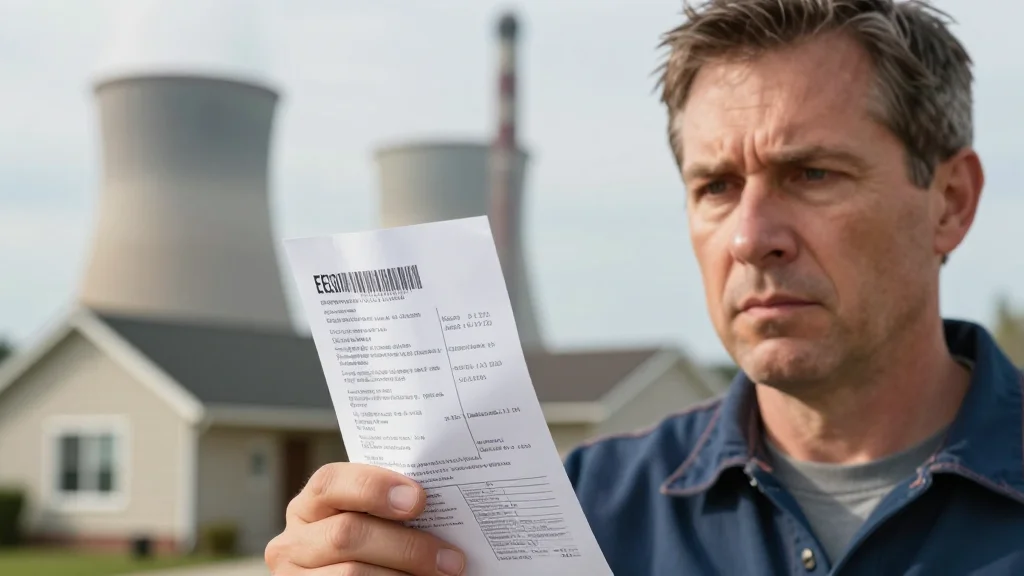
Tampa Electric Faces Backlash as Customers Protest Steep Rate Hikes

Why It Matters
The TECO controversy highlights a broader national tension between utility profitability, ratepayer affordability, and the transition to clean energy. As utilities across the United States grapple with aging fossil‑fuel assets, the cost of maintaining or expanding such plants often lands on residential customers, especially those on fixed incomes. Tampa’s protests underscore how rate‑increase proposals can become flashpoints for community activism, potentially reshaping regulatory approaches to ensure that climate‑friendly investments do not exacerbate energy poverty. If TECO’s board yields to consumer pressure, it could accelerate the retirement of coal capacity and prioritize renewable projects, setting a precedent for other Florida utilities facing similar cost‑of‑living pressures. Conversely, a failure to address the concerns may deepen public distrust, invite stricter regulatory scrutiny, and spur legislative action aimed at protecting vulnerable ratepayers from fossil‑fuel‑driven price spikes.
Key Takeaways
- •Tampa Electric customers submitted letters to the board demanding relief from steep rate hikes.
- •Letters cite TECO’s operation of the coal‑fired Big Bend Unit 4 and a planned gas‑fired plant as cost drivers.
- •Resident Brittany Panton highlighted choosing between medication and electricity due to rising bills.
- •Emera, TECO’s parent, is reportedly preparing a dividend increase amid the rate‑hike controversy.
- •The Florida Public Service Commission’s rate‑recovery rules are being challenged as favoring large industrial users.
Pulse Analysis
TECO’s dilemma is emblematic of a utility sector caught between legacy infrastructure and the economics of decarbonization. Coal plants like Big Bend Unit 4 carry high marginal costs and carbon penalties, yet they remain on the balance sheet because de‑commissioning requires substantial capital and can trigger rate‑adjustment requests. By proposing a new gas plant, TECO is attempting a short‑term cost‑offset, but gas prices have proven volatile, and the capital outlay will likely be recouped through higher residential rates—a politically sensitive move in a market already strained by inflation.
Regulatory frameworks in Florida have historically allowed utilities to pass through capital expenditures, but the growing consumer backlash may force the Public Service Commission to tighten oversight. If the commission imposes stricter cost‑recovery limits or mandates a higher share of renewable procurement, TECO could see a shift in its investment pipeline toward solar and battery storage, which have become cost‑competitive with new gas generation. Such a pivot would align TECO with the state’s Renewable Portfolio Standard goals and could mitigate future rate‑payer exposure to fuel‑price swings.
From a strategic standpoint, TECO’s parent, Emera, must balance shareholder expectations—evidenced by the pending dividend increase—with the reputational risk of being seen as a profit‑driven entity at the expense of vulnerable customers. The backlash may accelerate Emera’s internal review of capital allocation, potentially redirecting funds toward clean‑energy projects that deliver both ESG benefits and long‑term cost stability. In the short term, the board’s response to the letters will signal whether TECO is willing to prioritize community concerns over short‑term financial engineering, a decision that could reverberate across utility governance models nationwide.
Tampa Electric faces backlash as customers protest steep rate hikes
Comments
Want to join the conversation?
Loading comments...