Taylor Makes $800m Pitch to Double Australia's Minimum Fuel Reserves
Why It Matters
Ensuring a larger strategic fuel reserve reduces Australia’s vulnerability to global oil disruptions, protecting supply chains and economic activity. The policy also signals a shift toward greater energy sovereignty amid geopolitical instability.
Key Takeaways
- •Coalition proposes $800 million (≈$530 million USD) fuel security fund.
- •Goal: double minimum fuel reserves to 60 days by 2030.
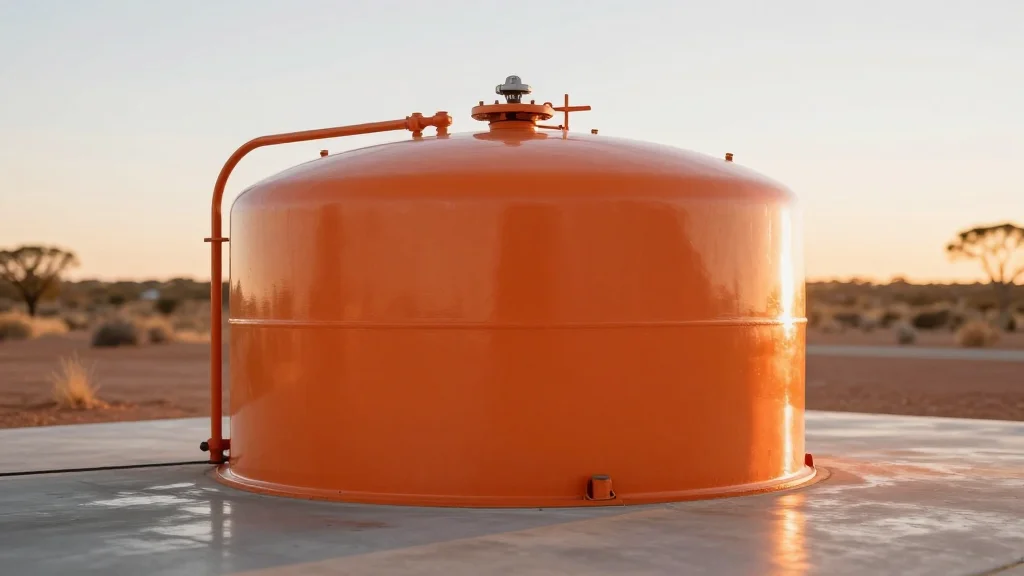
- •Adds at least 1 billion litres of on‑shore storage.
- •Current reserves: 44 days petrol, 33 diesel, 30 jet fuel.
- •Aims to meet IEA 90‑day stock target, cut overseas reliance.
Pulse Analysis
The $800 million Australian Fuel Security Facility represents one of the most ambitious domestic energy‑security initiatives in recent years. By financing new on‑shore tanks and incentivising refiners to expand capacity, the plan directly addresses the shortfall exposed when the Strait of Hormuz—responsible for roughly 80 percent of Asia’s oil imports—faces closure. Converting the funding to roughly $530 million USD underscores the scale of government commitment, while the targeted 1 billion‑litre storage boost translates to roughly 264 million gallons, enough to keep the nation moving during a prolonged supply interruption.
Australia’s existing fuel buffers sit well below the International Energy Agency’s 90‑day recommendation, with only 44 days of petrol and 33 days of diesel on hand. The proposed 60‑day minimum would not only narrow that gap but also provide a tangible safety net for regional economies reliant on diesel for agriculture and logistics. By locking in the current average stock levels as a new baseline from 2027, the policy aims to institutionalise resilience, ensuring that future market shocks do not erode critical supplies.
Politically, the initiative pits the Coalition’s concrete funding model against Labor’s broader “Future Made in Australia” agenda, which emphasizes refinery support rather than new construction. While the government has signalled reluctance to fund additional refineries, the storage‑focused approach may prove more cost‑effective and quicker to deploy. If successful, the plan could set a precedent for other resource‑dependent economies seeking to safeguard essential commodities without the heavy capital outlay of building new processing facilities.
Taylor makes $800m pitch to double Australia's minimum fuel reserves
Comments
Want to join the conversation?
Loading comments...