Energy News and Headlines
  • All Technology
  • AI
  • Autonomy
  • B2B Growth
  • Big Data
  • BioTech
  • ClimateTech
  • Consumer Tech
  • Crypto
  • Cybersecurity
  • DevOps
  • Digital Marketing
  • Ecommerce
  • EdTech
  • Enterprise
  • FinTech
  • GovTech
  • Hardware
  • HealthTech
  • HRTech
  • LegalTech
  • Nanotech
  • PropTech
  • Quantum
  • Robotics
  • SaaS
  • SpaceTech
AllNewsDealsSocialBlogsVideosPodcastsDigests

Energy Pulse

EMAIL DIGESTS

Daily

Every morning

Weekly

Sunday recap

NewsDealsSocialBlogsVideosPodcasts
EnergyNewsTennessee Valley Authority Goes Back on Commitment to Retire Dirty Coal Plants
Tennessee Valley Authority Goes Back on Commitment to Retire Dirty Coal Plants
Energy

Tennessee Valley Authority Goes Back on Commitment to Retire Dirty Coal Plants

•February 11, 2026
0
CleanTechnica
CleanTechnica•Feb 11, 2026

Why It Matters

Keeping the coal units online locks the Tennessee Valley into higher pollution and costs while delaying progress toward cleaner, more reliable energy. The decision also signals challenges for utilities balancing demand growth with climate commitments.

Key Takeaways

  • •TVA cancels retirement of Kingston and Cumberland coal plants
  • •Decision made without public notice or comment period
  • •Keeps high emissions, worsening regional air quality
  • •Raises power costs for Tennessee Valley customers
  • •Highlights tension between data‑center demand and clean energy goals

Pulse Analysis

The Tennessee Valley Authority’s sudden policy shift underscores the volatility of utility planning in a region grappling with both legacy infrastructure and emerging load drivers. After years of promising to shutter the Kingston and Cumberland coal units, TVA filed supplemental environmental impact statements that effectively extend their operation indefinitely. By bypassing the usual public‑comment process, the agency sidestepped stakeholder input, raising concerns about transparency and regulatory compliance. This maneuver reflects a broader trend where large, federally‑backed utilities weigh short‑term reliability claims against long‑term environmental obligations.

Environmental advocates warn that the continued combustion of coal will exacerbate air‑quality issues already affecting the Tennessee Valley. Kingston and Cumberland rank among the state’s top carbon‑dioxide emitters, releasing sulfur dioxide, mercury, and particulate matter linked to respiratory and neurological ailments. The added emissions also clash with federal climate goals and could invite stricter oversight or litigation. Moreover, keeping aging, inefficient plants online is likely to inflate electricity rates for residential and commercial customers, contradicting TVA’s own statements about cost pressures.

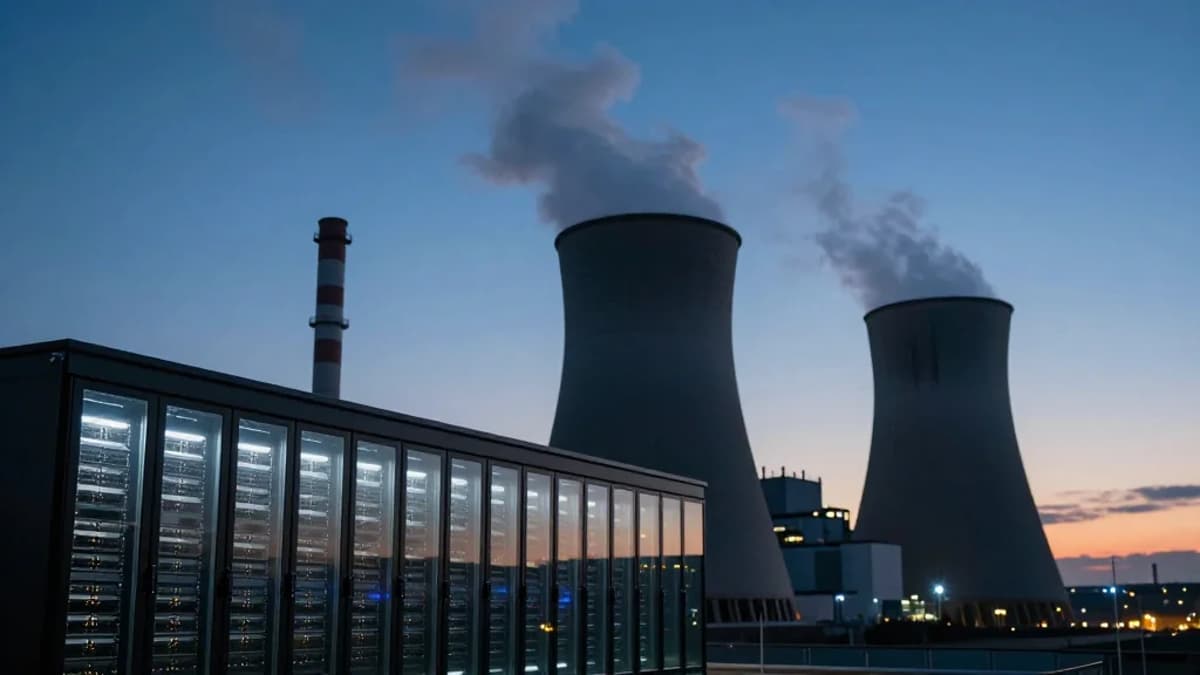
The decision is driven in part by a surge in electricity demand from data centers, which TVA projects will double within four years. While data‑center growth promises economic benefits, it also intensifies the utility’s capacity challenges. Industry analysts suggest that investing in renewable generation, battery storage, and demand‑side management could meet this demand more sustainably than extending coal operations. The TVA board’s upcoming meeting will be a litmus test for whether the utility can pivot toward cleaner alternatives without sacrificing reliability, a balance that will shape the future of public power in the region.

Tennessee Valley Authority Goes Back on Commitment to Retire Dirty Coal Plants

NASHVILLE, Tennessee — In an extremely disappointing reversal, the Tennessee Valley Authority announced it is planning to keep its Kingston and Cumberland coal plants operating for the foreseeable future, blowing by its upcoming deadlines to close the polluting facilities. The nation’s largest federal utility had previously committed to shutting down these dirty and expensive plants, which was the basis of its plans for building new, multi‑billion‑dollar methane gas power plants at the Cumberland and Kingston sites.

TVA’s plan to keep the Kingston and Cumberland coal plants operating was published in Supplemental Environmental Impact Statements that were posted to its website. The federal utility did not notify the public about these changes or allow for any public comment or input.

“TVA’s decision to break its promise to shutter these polluting coal plants is a bait and switch that will lead to more pollution in nearby communities, a less reliable power grid, increasing impacts of climate change, and higher power bills for millions of people throughout the Tennessee Valley,” Trey Bussey, a staff attorney at the Southern Environmental Law Center, said. “Even worse, the federal utility made this reckless decision without even telling the communities that would be impacted, let alone getting their input. This is a blatant attempt from TVA to take the public out of ‘public power.’”

Burning coal for power is incredibly dirty. Coal plants like the Kingston and Cumberland facilities release staggering amounts of air and water pollution, including sulfur dioxide, soot, arsenic, mercury, and other heavy metals. These pollutants are tied to respiratory illnesses, neurological problems, and certain types of cancers.

Coal plants also pump out huge amounts of climate‑warming pollution, and the Cumberland and Kingston facilities are two of the top three biggest sources of carbon dioxide pollution in Tennessee. Communities in the Tennessee Valley are already feeling the impacts of climate change through rising temperatures, increased flooding, and more extreme storms.

“Keeping coal plants running after promising to retire them locks families into higher costs, more pollution, and a grid stuck in the past,” said Angie Mummaw, Middle Tennessee Organizer for Appalachian Voices. “These units are expensive and inefficient. We’ve now seen a Cumberland coal unit fail during both Winter Storm Elliott and Winter Storm Fern. That isn’t reliability; it’s refusal to move forward when Valley communities deserve cleaner, cheaper, modern energy, not last‑minute decisions made behind closed doors that double down on yesterday’s fuel.”

TVA itself has said that these coal plants are nearing the “end of their life cycle,” and that keeping them open could increase costs for customers while creating serious reliability concerns. In its decision to retire the Kingston Coal Plant, for example, TVA wrote that keeping the plant open would present “reliability challenges that are difficult to anticipate and expensive to mitigate.” Similarly, in its decision to retire the Cumberland Fossil Plant, the federal utility wrote that “the continued long‑term operation of some of TVA’s coal plants is contributing to environmental, economic, and reliability risks.”

For years, TVA has claimed that its multi‑billion‑dollar gas spending spree, which includes new gas plants and pipelines at both the Kingston and Cumberland sites, was necessary in order for the utility to retire these dirty coal plants. In fact, TVA argued that it couldn’t invest in cleaner and more cost‑effective renewable energy sources, like solar power and battery storage, because they would not come online fast enough to retire the coal plants. This argument is deeply flawed, as conservation groups continually pointed out, and now TVA is going back on its promise to close the coal plants altogether. The move raises serious questions around the utility’s decision‑making process for both proposed gas plants.

“The Cumberland coal plant has gone down during the last two major weather events, leading to blackouts and raising bills during storms like Fern, and causing unnecessary hardship for Tennesseans who count on TVA,” said Sierra Club’s Beyond Coal Campaign Manager Amy Kelly. “But instead of doing what’s right for the people of the Tennessee Valley region, TVA has decided to scrap clean energy plans and keep these plants online, further straining our budgets, while they also pollute our communities. To make these decisions without a chance for the public to weigh in shows that Trump’s TVA has no interest in being accountable to the people it is supposed to serve or how much it is going to cost us.”

“Postponing the retirement dates for the Cumberland and Kingston coal plants would be a major step backward for TVA’s decarbonization goals and is a Band‑Aid fix at best for the enormous load growth TVA is anticipating. There are other solutions available that don’t trade the long‑term greater good of the people for short‑term profit and expediency,” Sierra Club Tennessee Chapter Chair JoAnn McIntosh said.

TVA has cited growing demand for power as a reason to keep its coal fleet operating, however much of that growing industrial demand is coming from the rapid build‑out of data centers. In its recent earnings report, TVA’s CEO said he expects power demand from data centers in the utility’s region to double in the next four years. People from across the Tennessee Valley, in both rural and urban areas, have expressed significant concern about the impacts data centers are having on their communities, power bills, and quality of life.

The TVA Board is meeting this week in Hopkinsville, Kentucky, with a listening session on Tuesday. The Board is expected to discuss TVA’s coal plant reversal at its meeting.

About the Sierra Club

The Sierra Club is America’s largest and most influential grassroots environmental organization, with millions of members and supporters. In addition to protecting every person’s right to get outdoors and access the healing power of nature, the Sierra Club works to promote clean energy, safeguard the health of our communities, protect wildlife, and preserve our remaining wild places through grassroots activism, public education, lobbying, and legal action. For more information, visit www.sierraclub.org.

Read Original Article
0

Comments

Want to join the conversation?

Loading comments...