TenneT Deploys Epsilon Cable Monitoring Method to Assess Composite Core Integrity
Companies Mentioned
Why It Matters
Ensuring composite‑core conductor quality reduces outage risk and speeds adoption of lighter, higher‑capacity transmission assets critical to the 2045 clean‑energy target.
Key Takeaways
- •TenneT validates CoreCheck on 380 kV line for HVCRC conductors
- •5‑minute breakdown voltage test detects internal core defects in field
- •Method works in fog, rain, sub‑zero temps, near live circuits
- •Traceable pass/fail data improves utility quality assurance and contractor confidence
Pulse Analysis
Composite‑core conductors are gaining traction as utilities replace traditional steel‑reinforced cables with lighter, higher‑capacity alternatives. Their glass‑fiber cores offer superior tensile strength and lower sag, but the manufacturing and handling steps—pultrusion, stranding, transport, and installation—can introduce hidden defects. Historically, utilities lacked a practical field technique to confirm that the internal structure remained intact, creating a reliability gap that could jeopardize grid performance and increase maintenance costs.
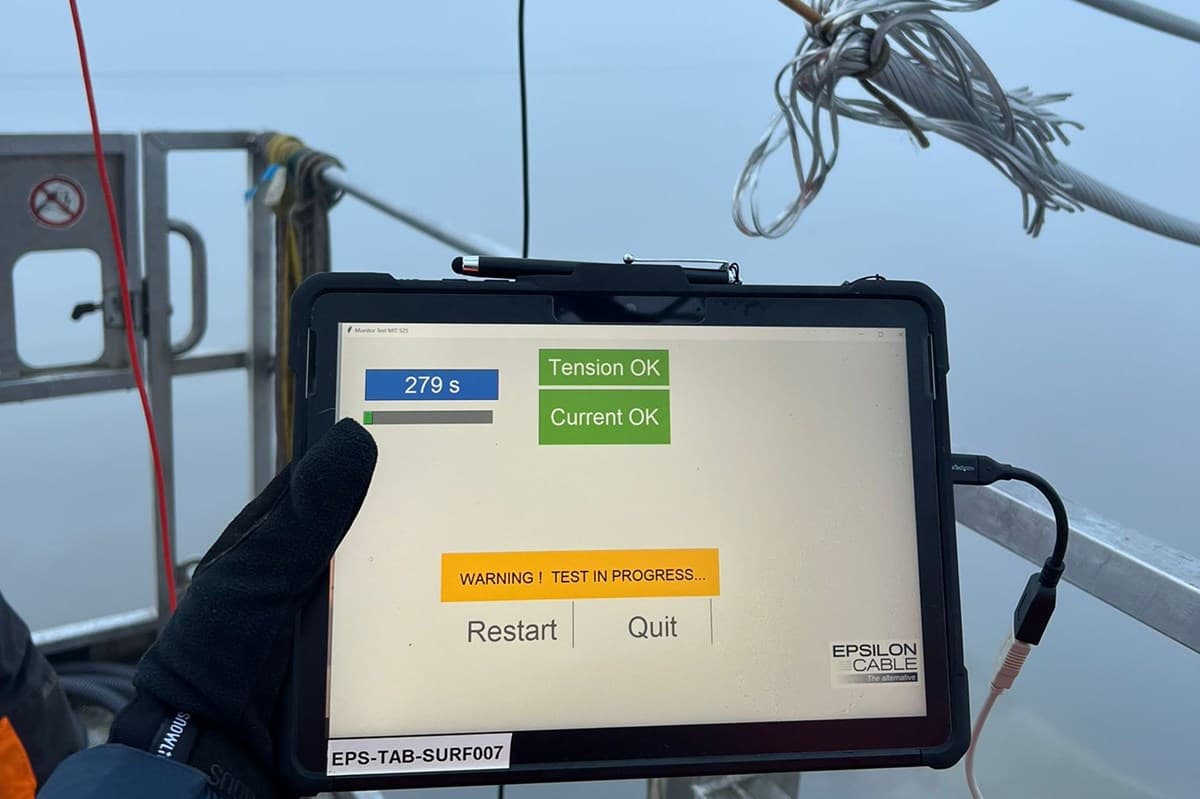
Epsilon Cable’s CoreCheck fills that gap with a portable breakdown‑voltage test that leverages the insulating properties of the outer glass‑fiber layer. In TenneT’s recent pilot on a 380‑kV line, operators performed the five‑minute test at every project milestone, from factory pultrusion to final on‑site erection, even in dense fog, high winds, and sub‑zero conditions. The system delivers an instant pass/fail indication and automatically records operator ID, batch numbers, and measurement results, providing an auditable quality trail without slowing construction schedules.
The successful validation signals a turning point for the European transmission market, where regulators and investors are pressuring utilities to modernize infrastructure while maintaining stringent reliability standards. By offering a low‑training, high‑accuracy inspection tool, CoreCheck lowers the risk premium associated with composite‑core adoption, encouraging broader procurement contracts and facilitating the rapid rollout of HVCRC lines needed for renewable integration. As more operators adopt the technology, the industry can expect tighter quality controls, reduced warranty claims, and a smoother path toward the continent’s 2045 decarbonization objectives.
TenneT deploys Epsilon Cable monitoring method to assess composite core integrity
Comments
Want to join the conversation?
Loading comments...