TeraWulf Stock Jumps 10% After Acquiring Kentucky Data‑Center Campus

Companies Mentioned
Why It Matters
TeraWulf's transition from Bitcoin mining to AI‑focused data centers reflects a strategic response to the volatility of cryptocurrency markets and the explosive growth of generative AI workloads. By leveraging its expertise in securing low‑cost, renewable energy, the company aims to capture higher‑margin revenue streams that could stabilize earnings and attract a new class of institutional investors. The deal also highlights the increasing convergence of crypto‑related infrastructure with broader compute markets. As AI models demand ever‑greater power, sites like Muskie—designed for gigawatt‑scale capacity—could become critical nodes in the emerging high‑performance computing ecosystem, influencing how capital is allocated across the tech sector.
Key Takeaways
- •TeraWulf shares rose 10.34% after announcing acquisition of the Muskie Data Campus in Kentucky.
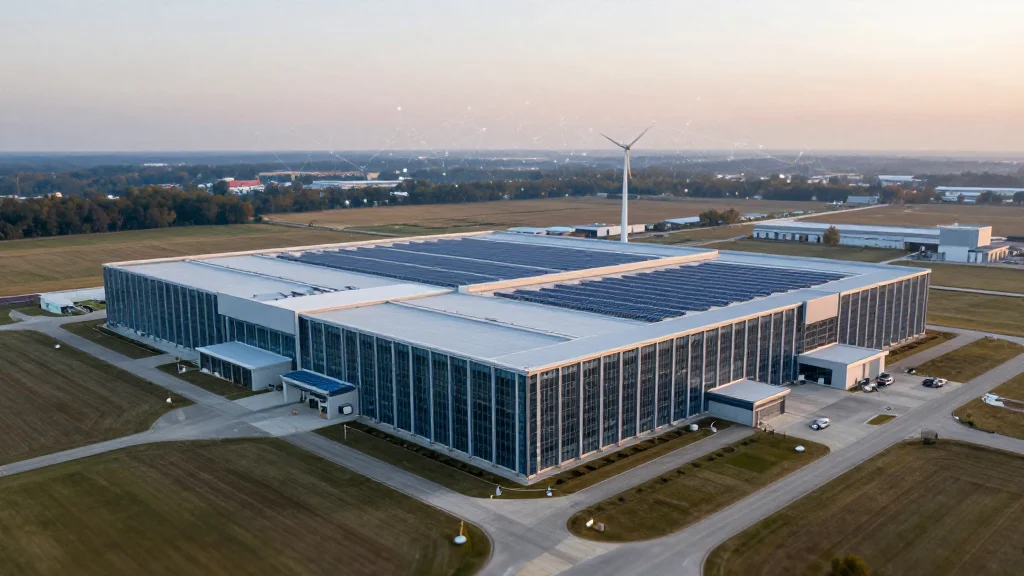
- •The 285‑acre site is slated to support over 1 GW of data‑center capacity, with 500 MW available by H2 2028.
- •CEO Paul Prager emphasized the purchase aligns with the strategy to develop power‑advantaged HPC sites.
- •The acquisition includes pre‑signed utility agreements and a 345 kV substation linked to a 765 kV grid.
- •The move signals a broader industry shift from pure Bitcoin mining to AI‑ready data‑center services.
Pulse Analysis
TeraWulf's stock rally is less about immediate earnings and more about market perception of a successful strategic pivot. By acquiring a site capable of hosting gigawatt‑scale AI workloads, the company is betting on the long‑term secular growth of compute demand rather than the cyclical nature of Bitcoin prices. This mirrors moves by peers such as Marathon Digital and Riot Platforms, which have also explored data‑center diversification, but TeraWulf's focus on a purpose‑built HPC campus gives it a clearer path to differentiated revenue.
From a valuation standpoint, the market is likely pricing in the potential for higher‑margin contracts with cloud providers and AI firms, which can command premium rates for power‑intensive workloads. The pre‑signed utility agreements reduce execution risk, a key concern for investors wary of infrastructure projects that stall due to permitting or grid constraints. However, the long lead time—first power not until 2028—means the company must manage cash flow from its mining operations while building out the new business.
If TeraWulf can successfully transition, it could set a template for other crypto miners seeking to repurpose their power‑advantaged assets. The broader implication is a gradual reallocation of capital from speculative crypto mining toward more sustainable, high‑value compute services, potentially reshaping the competitive dynamics of both the cryptocurrency and AI infrastructure markets.
TeraWulf Stock Jumps 10% After Acquiring Kentucky Data‑Center Campus
Comments
Want to join the conversation?
Loading comments...