Tesla Solar Roof Is on Life Support as It Pivot to Panels
Companies Mentioned
Why It Matters
Tesla’s retreat signals a strategic pivot toward scalable, lower‑cost solar panels, reshaping the residential solar market and leaving existing Solar Roof owners with unresolved service and financial challenges.
Key Takeaways
- •~3,000 Solar Roofs installed versus 1,000‑per‑week goal
- •Deployment fell to 2.5 MW/quarter, 97% below target
- •Average Solar Roof price $106k vs $60k for panels
- •String‑inverter design causes shading‑related shutdowns
- •Tesla now pushes TSP‑420 panels with 18‑zone optimization
Pulse Analysis
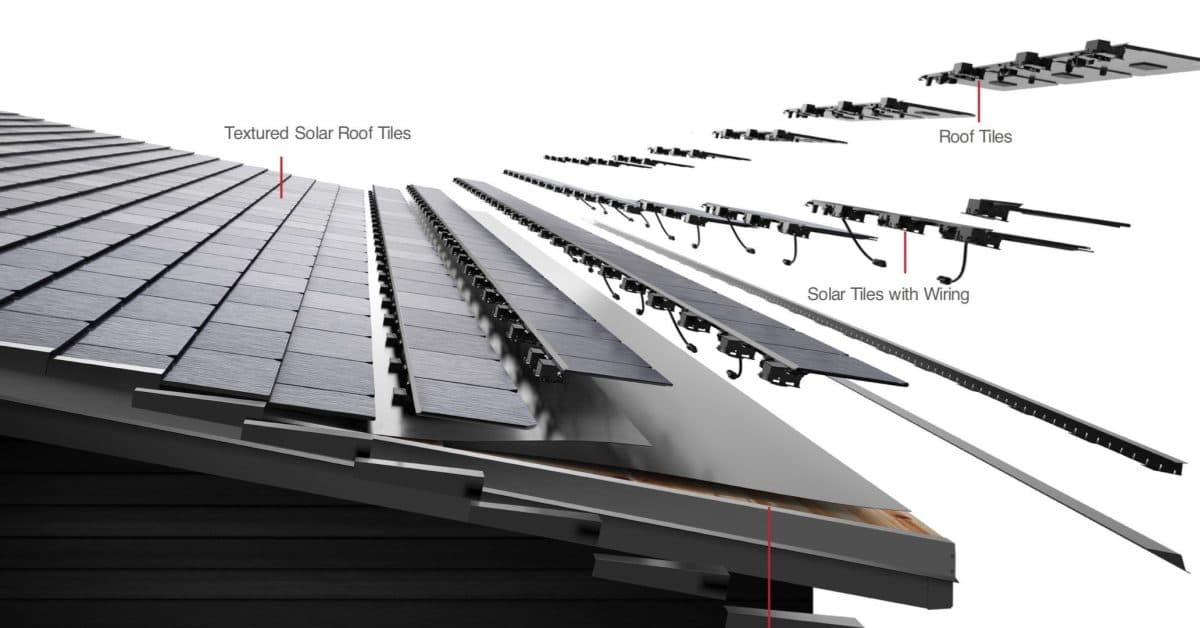
Tesla’s Solar Roof saga illustrates how ambitious hardware promises can clash with manufacturing realities. The product launched in 2016 with a vision of seamless, aesthetically‑pleasing solar tiles, yet production lagged three years behind schedule and never reached mass‑scale. By early 2023, independent analysts estimated only about 3,000 installations, a fraction of the 1,000‑per‑week cadence Elon Musk once projected. The shortfall forced Tesla to stop publishing solar deployment figures, effectively signaling the end of the Solar Roof’s growth trajectory.
For homeowners, the fallout has been costly. A typical Solar Roof system costs roughly $106,000 before incentives—about $46,000 more than a conventional roof plus panels—while delivering a 15‑25‑year payback versus 7‑12 years for standard installations. Technical limitations, such as string‑inverter architecture that shuts down an entire string under partial shading, have led to performance gaps of 20% or more. Coupled with a dwindling service network after 2024 layoffs, customers face long wait times, limited recourse, and a lingering class‑action settlement of $6 million.
Tesla’s strategic shift to conventional panels aims to rectify these issues. The newly introduced TSP‑420 panel, built at the Buffalo Gigafactory, incorporates an 18‑zone power‑optimization system that mitigates shading losses and promises faster, cheaper installations. While the company touts a bold 100 GW U.S. solar manufacturing goal by 2028—a scale dwarfing the nation’s 32 GW annual additions in 2023—the pivot underscores a pragmatic move toward products with clearer economics and supply‑chain viability. This transition could accelerate residential solar adoption, but it also leaves a legacy of unmet expectations for early Solar Roof adopters.
Tesla Solar Roof is on life support as it pivot to panels
Comments
Want to join the conversation?
Loading comments...