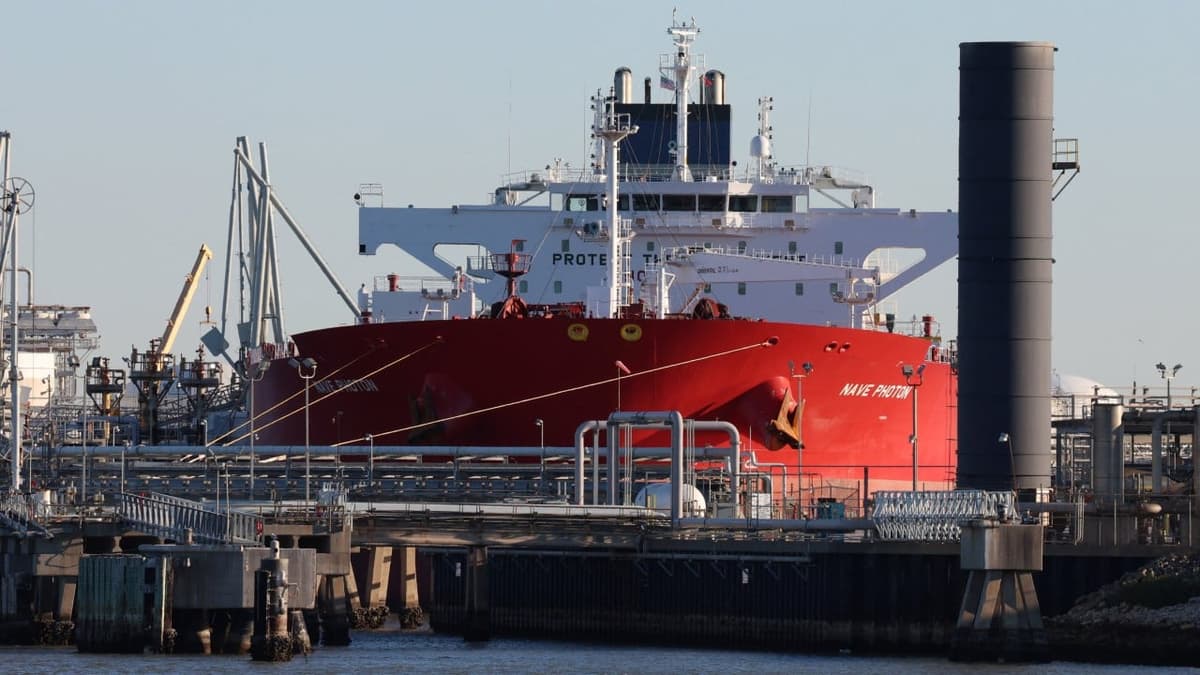
Texans Accuse Japan of Doing ‘Deal with the Devil’ by Funding US Fossil Fuel Projects
Companies Mentioned
Why It Matters
The dispute highlights how geopolitical trade negotiations can channel public finance into high‑emission infrastructure, exposing financiers to reputational and regulatory risk. It also underscores growing community pressure on overseas investors to account for local health and climate impacts.
Key Takeaways
- •Japanese JBIC and Nexi negotiating $36 B loan for US fossil projects
- •Texas groups protest Freeport LNG, citing explosions and cancer spikes
- •Projects could emit 200 M tonnes CO₂, 0.5% global emissions
- •Investment seen as Trump‑tariff appeasement, sparking international backlash
Pulse Analysis
Japan’s public finance arm, JBIC, and its insurance counterpart Nexi are at the center of a contentious $36 billion loan package that forms part of a $500 billion investment pledge announced by Prime Minister Sanae Takaichi. The funding is aimed at three U.S. projects—a Freeport crude‑oil export terminal, an Ohio gas‑fired power plant, and a Georgia synthetic‑diamond plant—to smooth trade relations with President Donald Trump and mitigate the threat of punitive tariffs on Japanese exports. By leveraging state‑backed guarantees, Japanese banks hope to lower the risk profile of these high‑capital, fossil‑fuel‑intensive ventures.
In Texas, residents of the Freeport corridor have mobilized against the financing, citing a 2022 explosion, repeated air‑quality violations, and a spike in cancer rates linked to the LNG complex. The facility is projected to ship $30 billion worth of fuel each year, releasing about 200 million tonnes of CO₂—equivalent to 0.5% of global emissions—and generating methane leaks that undermine claims of LNG’s relative cleanliness. Community leaders argue that Japanese capital is effectively underwriting health hazards and environmental degradation, turning the projects into “sacrifice zones” for local populations.
The clash illustrates a broader shift in how climate policy, trade diplomacy, and investment risk intersect. As G‑7 nations pledge to curb temperature rise, financing large‑scale fossil projects risks breaching international commitments and attracting activist scrutiny. Japanese financiers now face heightened reputational pressure, while U.S. developers must reconcile the lure of cheap capital with mounting regulatory and societal opposition. The outcome could set a precedent for how public‑backed foreign investment is evaluated against climate and public‑health criteria in future trade negotiations.
Texans accuse Japan of doing ‘deal with the devil’ by funding US fossil fuel projects
Comments
Want to join the conversation?
Loading comments...