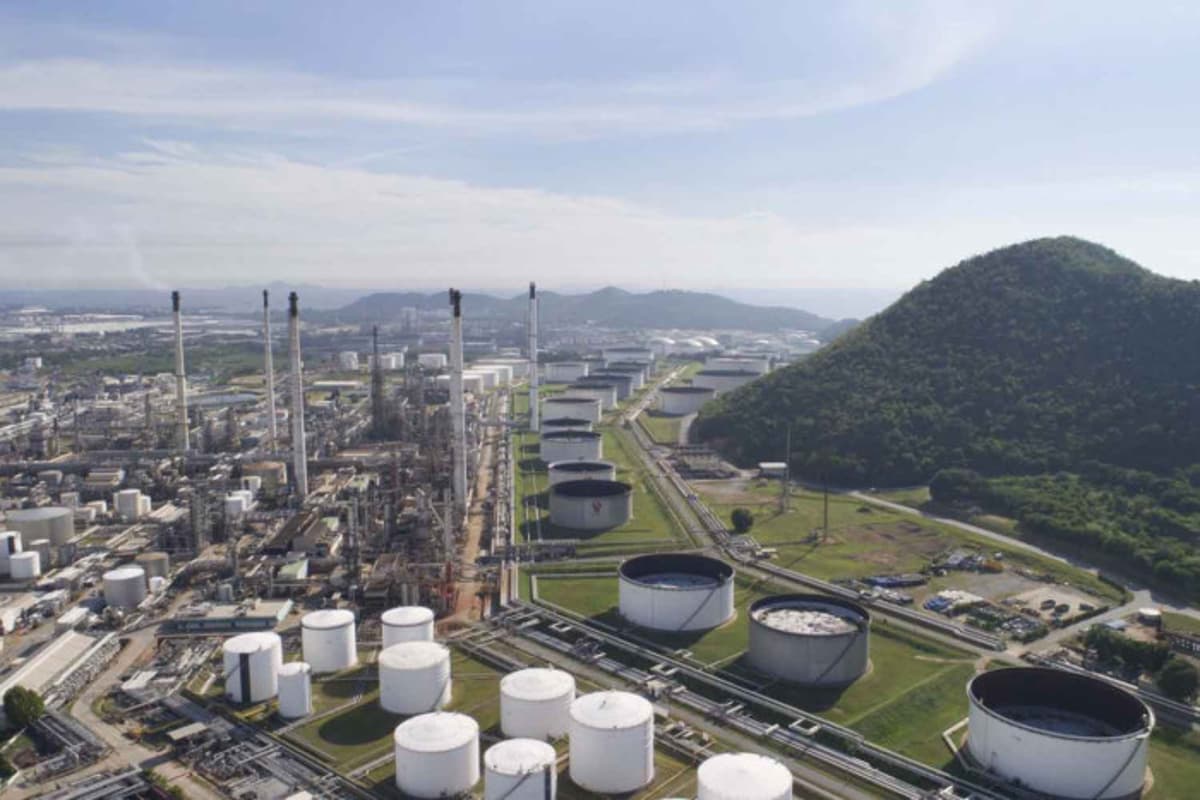
Thai Oil Braces for Financial Uncertainty in Second Half
Why It Matters
The financial strain highlights how policy‑driven price controls and volatile crude markets can quickly undermine profitability for regional refiners, signaling broader risk for Thailand’s energy sector.
Key Takeaways
- •Q1 profit hit 19 bn baht (~$513 m) driven by inventory gains.
- •Diesel price cut cut cash flow by 2.8 bn baht (~$76 m).
- •Liquidity could shrink by 31 bn baht (~$837 m) amid higher procurement costs.
- •Needs 18 bn baht (~$486 m) extra working capital for crude purchases.
- •May reduce refinery output if export ban stays and storage fills.
Pulse Analysis
Thai Oil’s first‑quarter earnings illustrate the double‑edged nature of commodity markets. While a surge in Brent and WTI prices, sparked by disruptions in the Strait of Hormuz, allowed the refiner to sell stockpiled oil at premium rates, those gains are fragile. A reversal in geopolitical tensions could depress global crude, turning inventory profits into losses and exposing the company’s exposure to price volatility. This dynamic underscores the importance of hedging strategies for refiners operating in regions sensitive to Middle‑East geopolitics.
Compounding market risk, Thailand’s government imposed a diesel price reduction of 2‑5 baht per litre to ease household costs. For Thai Oil, the policy shaved roughly 2.8 bn baht (about $76 m) from cash flow and threatens to erode margins if the discount endures. The firm also anticipates a liquidity shortfall of 31 bn baht (≈$837 m) as it seeks an additional 18 bn baht (≈$486 m) in working capital to cover rising crude procurement expenses. Delayed reimbursements from the Oil Fuel Fund, exceeding 10 bn baht, further tighten cash resources, highlighting the fiscal pressure on state‑linked energy firms.
Operationally, Thai Oil is running its Si Racha refinery at 110‑112 % capacity, a rare over‑utilisation that reflects strong domestic diesel demand earlier in the year. However, with retail diesel prices climbing and the government maintaining an export ban, the company may need to throttle output to avoid storage bottlenecks. Adjusting production levels could mitigate inventory risk but may also constrain revenue streams. The confluence of policy‑driven price caps, volatile crude markets, and capacity constraints paints a cautious outlook for Thai Oil and the broader Thai refining sector in the second half of the year.
Thai Oil braces for financial uncertainty in second half
Comments
Want to join the conversation?
Loading comments...