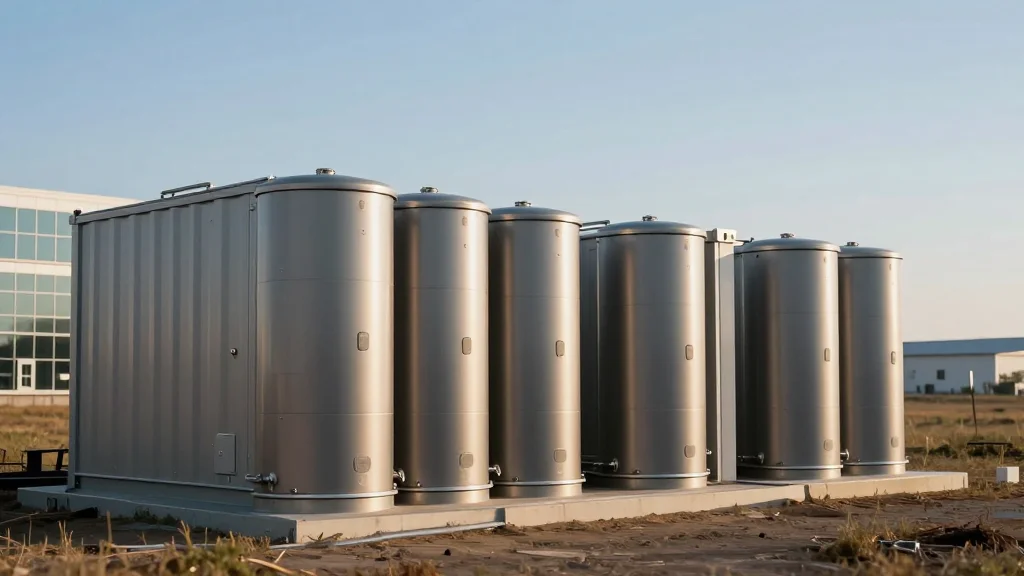
The Battery Linchpin: Why Energy Storage Is the only the only Way to Safely Power the AI Boom
Why It Matters
Without rapid storage deployment, the AI surge could force a return to fossil‑fuel peakers, undermining clean‑energy goals. Accelerated interconnection reforms will determine whether the grid can sustain AI‑driven demand growth sustainably.
Key Takeaways
- •AI data centers could add 224 GW peak demand by 2034
- •Battery storage slated for 24.3 GW additions in 2026
- •Solar‑plus‑storage mitigates midday price cannibalization
- •Regulators propose joint load‑generation interconnection to cut study time
- •Michigan deal uses 1.4 GW storage to fast‑track data‑center interconnection
Pulse Analysis
The convergence of artificial intelligence and energy infrastructure is reshaping grid planning in the United States. While solar installations are set to hit a record 86 GW of new capacity in 2026, their intermittent nature cannot satisfy the constant, high‑density load of AI data centers. Battery storage, now accounting for 28% of planned 2026 additions, offers the flexibility to smooth demand spikes, store excess solar generation, and defer costly transmission upgrades. This shift positions storage as a critical bridge between renewable generation and the relentless power appetite of the digital economy.
Regulatory bodies are scrambling to remove the interconnection choke points that threaten to stall this transition. The Federal Energy Regulatory Commission’s upcoming rulemaking aims to allow joint interconnection filings for co‑located load and generation, dramatically shortening study timelines. Meanwhile, state initiatives like Virginia’s SB 508 and New Jersey’s circuit‑upgrade directives create pathways for surplus interconnection rights, enabling rapid deployment of solar‑plus‑storage projects. These policy moves are essential to prevent the AI demand shock from triggering a resurgence of natural‑gas peaker plants, which would erode recent emissions gains.
Economically, the integration of storage transforms the value proposition of clean energy. By shifting solar output into evening peak periods, storage mitigates midday price cannibalization and enhances revenue streams for renewable developers. Falling battery costs further tip the scale, making large‑scale storage projects financially viable without heavy subsidies. For tech giants, the promise of clean, 24/7 power aligns with ESG commitments and operational resilience, providing the capital needed to fund these infrastructure upgrades. In short, storage is no longer a peripheral add‑on; it is the linchpin that will determine whether the AI revolution proceeds on a sustainable, low‑carbon trajectory.
The battery linchpin: Why energy storage is the only the only way to safely power the AI boom
Comments
Want to join the conversation?
Loading comments...