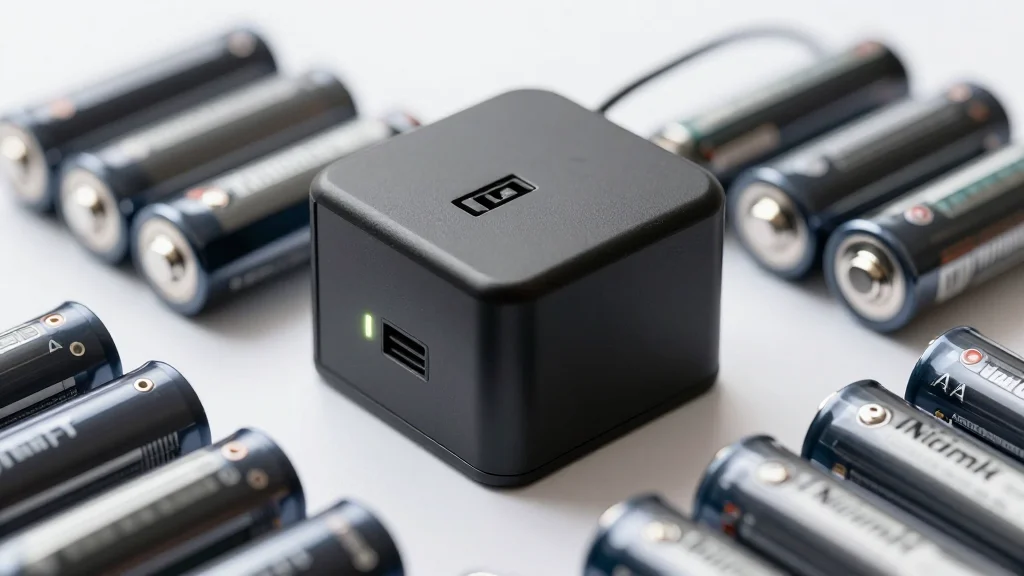
The Best Rechargeable Batteries of 2026: Expert Recommended
Companies Mentioned
Why It Matters
Switching to rechargeable AA/AAA cells cuts landfill waste and reduces long‑term household energy costs, reshaping the consumer battery market.
Key Takeaways
- •Americans discard ~1 billion AA/AAA batteries annually
- •Olight Ostation 2 Pro combines charger, tester, organizer for 24 cells
- •Panasonic Eneloop Pro offers 2,600 mAh capacity, retains 85% after a year
- •Lithium‑ion AA batteries provide up to 3,600 mAh and 1,200 cycles
- •Budget kits like EBL cost about $1 per cell, include storage case
Pulse Analysis
The battery landscape is undergoing a rapid transformation as environmental concerns and rising electricity prices drive consumers toward rechargeable AA and AAA cells. In the U.S., an estimated one billion disposable batteries end up in landfills each year, contributing to toxic waste and unnecessary expense. Rechargeable NiMH technology has matured, offering low self‑discharge and reliable performance for everyday gadgets, while lithium‑ion chemistry now fits the AA form factor, delivering higher energy density and longer cycle life. This shift not only reduces landfill burden but also delivers a clear financial upside: a single $30 rechargeable pack can replace dozens of $0.50 alkaline batteries over its lifespan.
Among the 2026 contenders, the Olight Ostation 2 Pro stands out for its all‑in‑one design that eliminates the need for separate chargers and storage solutions. Its integrated testing system ensures only healthy cells are recharged, extending overall battery life. Panasonic’s Eneloop Pro remains the benchmark for high‑drain applications, with 2,600 mAh capacity and a remarkable 85% charge retention after twelve months, making it ideal for photographers and gamers. Meanwhile, Philips’ lithium‑ion AA cells push capacity to 3,600 mAh and support over a thousand recharge cycles, appealing to power‑hungry devices and users who value long‑term reliability.
For buyers, the decision hinges on usage patterns and budget. High‑drain users benefit from premium NiMH or lithium‑ion packs, while casual consumers can achieve substantial savings with budget options like the EBL combo, priced near $1 per cell. Emerging USB‑C rechargeable batteries, such as Paleblue’s offering, further simplify the ecosystem by removing dedicated chargers. As manufacturers continue to refine chemistry and integrate smart charging, the rechargeable market is set to dominate the AA/AAA segment, delivering both ecological and economic dividends for American households.
The best rechargeable batteries of 2026: Expert recommended
Comments
Want to join the conversation?
Loading comments...