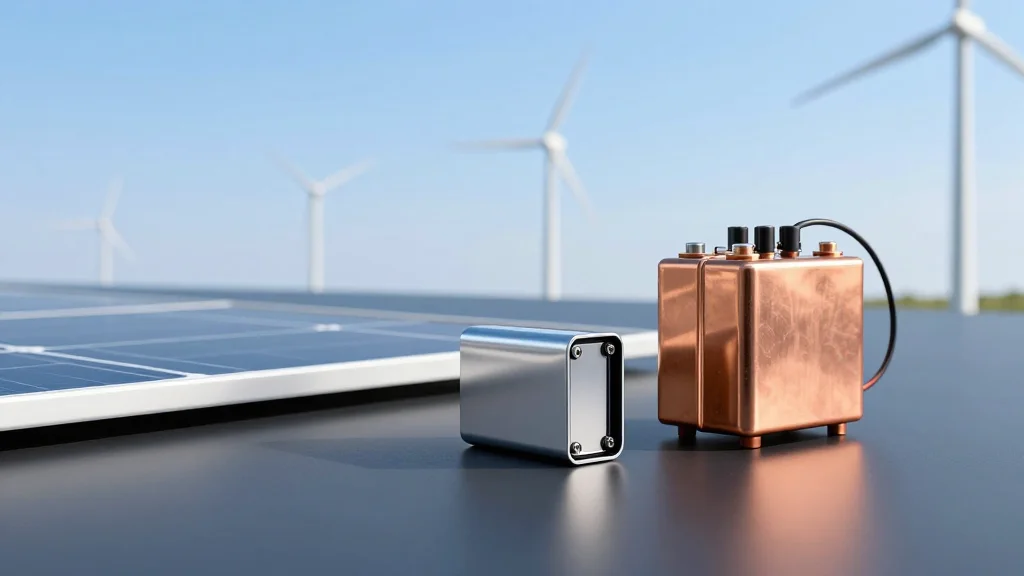
The Big Power Shift: From Megawatts to System Performance
Why It Matters
The gap between installed renewable capacity and grid readiness jeopardizes India’s energy security and climate goals, while accelerated storage and transmission investments can unlock the full value of clean power for industry, data centers, and EVs.
Key Takeaways
- •India's renewable capacity grew from <35 GW (2014) to >197 GW (2025).
- •Over 50% of electricity demand met by renewables in 2025.
- •Grid congestion leaves ~4,000 MW stranded in Rajasthan, risking 50 GW nationally.
- •2.3 TWh of solar curtailed May‑Dec 2025 highlights storage need.
- •By 2032 India requires ~411 GWh storage for round‑the‑clock reliability.
Pulse Analysis
India’s renewable boom is reshaping the global energy landscape, with installed capacity leaping from under 35 GW in 2014 to more than 197 GW in 2025 and crossing the 250 GW mark in early 2026. This rapid expansion fuels the country’s ambition to hit 500 GW of clean power by 2030, positioning it as a leader among emerging markets. However, the sheer scale of new solar and wind farms has outpaced the existing transmission network, exposing a critical vulnerability: the ability to move electricity from generation sites to demand centers.
The most acute symptom of this mismatch is curtailment. In 2025 alone, 2.3 TWh of solar output was wasted, and in Rajasthan over 4,000 MW of fully commissioned renewable capacity sat idle during peak hours because of congestion. Nationwide, analysts estimate that roughly 50 GW of renewable potential remains at risk due to inadequate grid infrastructure. These losses translate into higher system costs and undermine the reliability needed for data‑centers, electric‑vehicle charging, and industrial electrification—sectors that already demand uninterrupted power.
Addressing the shortfall requires a two‑pronged strategy: expanding high‑capacity transmission corridors and deploying large‑scale energy storage. Projections suggest India will need about 411 GWh of battery or pumped‑hydro storage by 2032 to smooth out diurnal and seasonal variability. Hybrid plants that co‑locate solar, wind, and storage can deliver round‑the‑clock power, reducing reliance on fossil peakers. Policy reforms that streamline permitting, incentivize long‑duration storage, and promote grid‑friendly market designs will be essential to unlock the full economic and environmental benefits of the country’s renewable surge.
The big power shift: From megawatts to system performance
Comments
Want to join the conversation?
Loading comments...