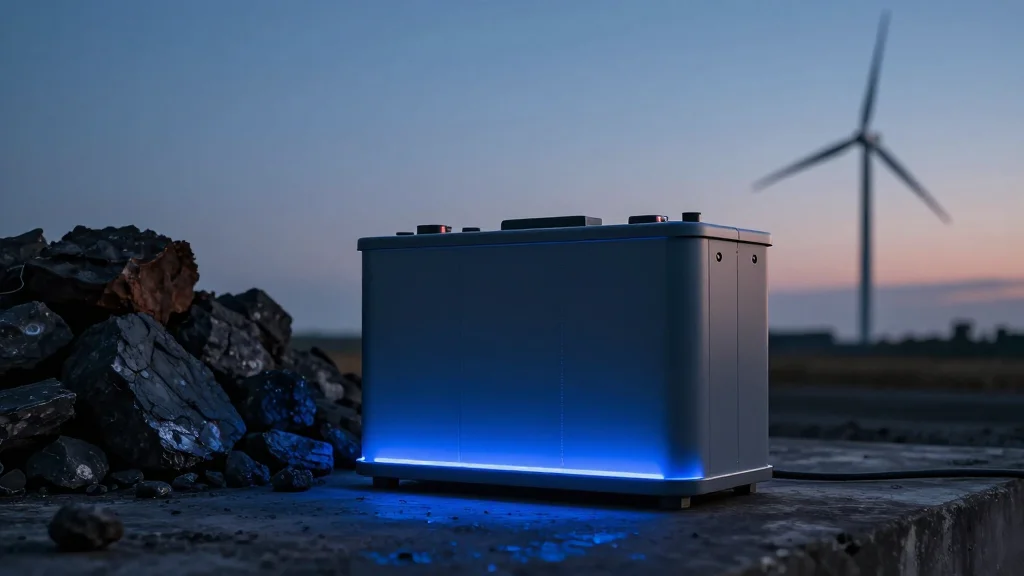
The Clock Is Ticking: Coal Is Down, Prices Have Fallen, but Wind Projects Are Very, Very Late
Why It Matters
Delayed wind projects jeopardise Australia’s 80% decarbonisation target and increase future electricity costs, while undermining the economic case for retiring coal plants.
Key Takeaways
- •Wind farm approvals lagging, delaying decarbonisation timeline
- •Coal's market share fell below 50%, cutting spot prices
- •Battery growth intensifies evening‑peak competition, eroding coal revenues
- •CIS scheme failed to secure new renewable capacity
- •Urgent 3,000 MW wind PPAs needed within six months
Pulse Analysis
The National Electricity Market is at a crossroads. Coal generation has slipped under half of total output, and evening‑peak prices have dropped from $182/MWh to $120/MWh, reflecting intensified competition from behind‑the‑meter batteries and a modest rise in solar capacity. While these trends lower consumer bills in the short term, they also erode the revenue streams that keep legacy coal plants financially viable, prompting questions about their long‑term role in the grid.
The real bottleneck, however, is wind. Despite clear economic models showing wind’s ability to lower system costs more than solar‑battery combos, large‑scale wind projects are stuck in approval limbo. The Capacity Investment Scheme, once touted as the catalyst for new renewable build‑out, has failed to deliver confidence to developers, resulting in a backlog of projects that could take years to commission. Industry insiders argue that securing 3,000 MW of wind PPAs within the next six months is essential to replace night‑time coal output and to keep the decarbonisation pathway on schedule.
For investors and policymakers, the signal is clear: price forecasts now hinge on whether wind can be fast‑tracked. Spot‑price models predict lower future prices if wind capacity materialises, while prolonged delays will likely keep coal online, sustaining higher emissions and exposing the grid to reliability risks. Aligning transmission upgrades, streamlining approvals, and offering longer‑term PPAs could unlock the needed wind build‑out, stabilising the market and supporting Australia’s energy‑independence goals.
The clock is ticking: Coal is down, prices have fallen, but wind projects are very, very late
Comments
Want to join the conversation?
Loading comments...