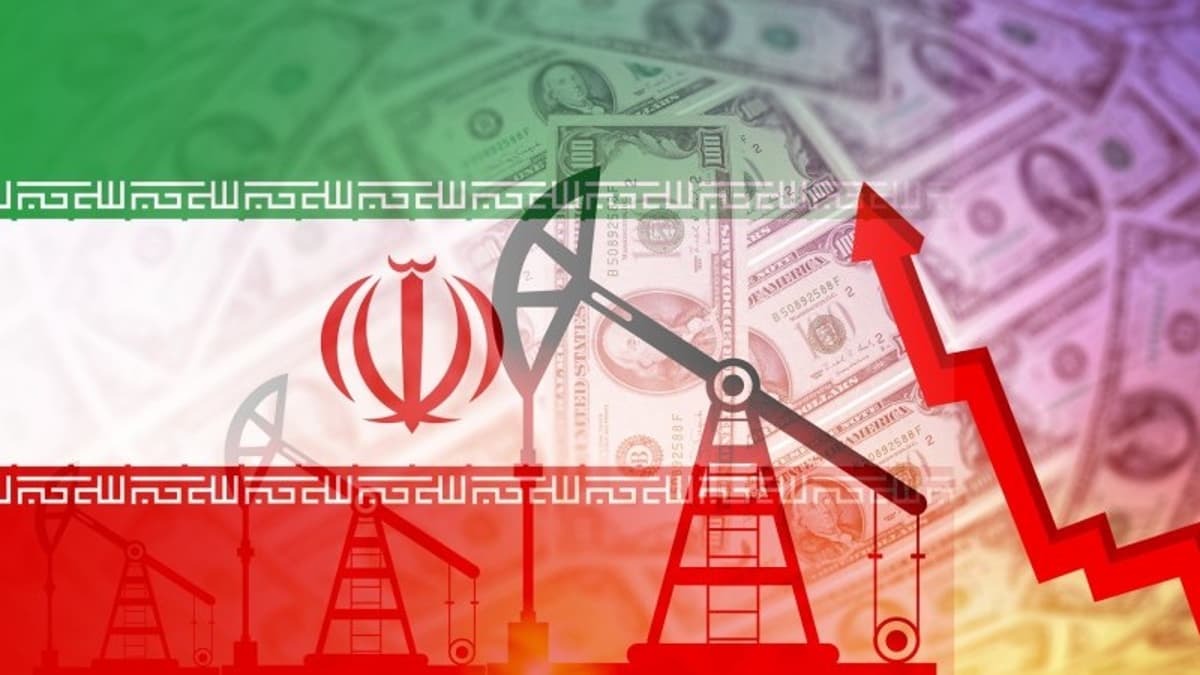
The Commodities Feed: Mixed US-Iran Messages Leave Oil Seesawing
Why It Matters
The mixed geopolitical signals keep energy prices volatile, affecting global supply chains and inflation pressures. Investors and policymakers must monitor these flashpoints as they shape commodity markets and downstream costs.
Key Takeaways
- •US‑Iran negotiation setbacks push Brent above $80 per barrel
- •Iran threatens Bab el‑Mandeb, risking Red Sea oil flows
- •Russia bans jet‑fuel exports through November, limiting 30 k b/d
- •EU gas storage climbs above 40%, still below 5‑year average
- •U.S. copper gains on pending 15% tariff plan for imports
Pulse Analysis
The latest oil price rally underscores how quickly geopolitical headlines can reshape market sentiment. When U.S. and Iranian talks falter, traders price in the risk of renewed sanctions or conflict, lifting Brent past the $80 mark. Iran’s explicit threats to vessels in the Bab el‑Mandeb choke point amplify worries about a bottleneck in the Red Sea, where Saudi‑origin crude now transits after being rerouted from the Persian Gulf. Simultaneously, Russia’s decision to halt jet‑fuel exports—though a modest 30,000 barrels per day—adds another layer of supply strain, especially for airlines operating in Europe and Asia.
European natural‑gas dynamics are equally nuanced. Storage levels finally nudged above the 40% threshold, yet they lag the 54% five‑year norm, leaving the continent vulnerable to a harsh winter. The Dutch government’s near‑€1 bn (about $1.09 bn) subsidy to EBN Capital aims to accelerate storage fills, a move that reflects broader concerns about Middle‑East LNG disruptions and the backwardated European gas market. Meanwhile, the EU’s decision to place roughly 190 million carbon‑allowance units into its market‑stability reserve signals a surplus that will dampen future auction volumes, potentially lowering compliance costs for energy‑intensive firms.
Beyond energy, the commodities landscape shows divergent trends. Copper prices in New York and London rose as the U.S. Commerce Department weighs a phased 15% tariff starting in 2027, creating a premium for domestic shipments and buoying market sentiment. In agriculture, Uganda’s coffee exports slipped 14% year‑on‑year to 591,700 bags, reflecting trader caution amid softer global prices, while Pakistan’s sugar mills seek permission to export 0.76 million tonnes of surplus stock. Together, these developments illustrate how policy uncertainty, geopolitical risk, and supply‑demand imbalances continue to drive volatility across the broader commodities spectrum.
The Commodities Feed: Mixed US-Iran messages leave oil seesawing
Comments
Want to join the conversation?
Loading comments...