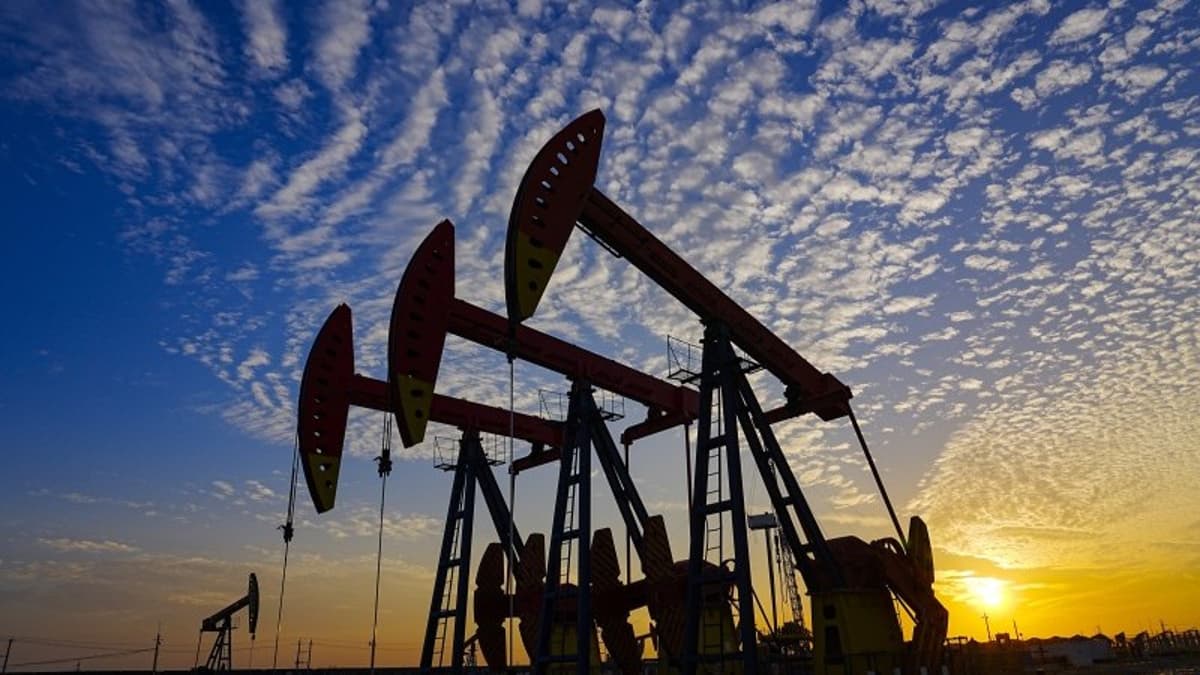
The Commodities Feed: Oil Declines as Strait of Hormuz Begins to Normalise
Companies Mentioned
Why It Matters
The resumption of Hormuz shipments eases a key supply bottleneck, pressuring oil prices lower and reshaping market expectations for both crude and refined product balances. Divergent demand forecasts from OPEC and the IEA highlight uncertainty in the sector’s growth trajectory, influencing investment and policy decisions.
Key Takeaways
- •WTI fell >10% weekly as Hormuz tanker traffic resumes.
- •Hormuz flows at 10 m bpd, half typical 20 m bpd, expected to rise.
- •OPEC forecasts steady demand growth; IEA predicts eventual demand decline.
- •ARA gasoline stocks fell 97 kt, staying below five‑year average.
- •Henry Hub gas rose 2.8% after EIA reported smaller storage build.
Pulse Analysis
The Strait of Hormuz has long been a chokepoint for global oil logistics, and its recent de‑congestion is a decisive factor behind the current price pullback. With roughly 10 million barrels per day now transiting, the market is recalibrating expectations for supply tightness that had previously underpinned a premium on WTI. Traders are watching Kuwait’s tentative production restart and the pace at which flows return to the 20 million‑bpd norm, as any lag could sustain volatility in the near term.
Refined product inventories add another layer of nuance. ARA gasoline stocks slipped 97 kt, keeping the fuel below its five‑year average and raising concerns about summer supply adequacy in the United States. Conversely, builds in diesel, jet fuel, and naphtha suggest a more balanced product slate, while Singapore’s overall inventories rose, driven by middle‑distillate accumulation. In the natural‑gas arena, Henry Hub futures jumped 2.8% after the EIA reported a modest storage increase, underscoring how tighter domestic balances and robust LNG exports can influence price dynamics despite higher production levels.
The broader commodity landscape mirrors the macro backdrop of a stronger dollar and hawkish monetary policy. Copper slipped as Fed officials signaled a potential rate hike, while gold and silver fell sharply, reflecting higher opportunity costs for non‑yielding assets. Cocoa also slumped, pressured by a firmer greenback and rising U.S. stocks. Together, these moves illustrate how currency strength and interest‑rate expectations ripple across energy, metals, and agricultural markets, shaping investor sentiment and trade flows in an interconnected global economy.
The Commodities Feed: Oil declines as Strait of Hormuz begins to normalise
Comments
Want to join the conversation?
Loading comments...