Why It Matters
Adequate LDES is essential for meeting rising electricity demand and achieving decarbonization targets, influencing grid reliability and investment flows worldwide.
Key Takeaways
- •Renewables will reach 43% of global electricity by 2030, driving storage demand.
- •Pumped hydro remains only GW‑scale storage, but limited by geography.
- •Flow batteries market projected to grow to $2.9 bn by 2034.
- •Hydrogen offers long‑duration storage but faces high electrolysis costs and infrastructure gaps.
Pulse Analysis
The surge in renewable generation is reshaping power markets, but the intermittent nature of solar and wind creates a new bottleneck: grid congestion. The IEA warns that without a 50% increase in grid‑investment by 2030, the expanding load will outpace supply, forcing utilities to seek storage that can shift energy across hours, days, or even weeks. While pumped hydro still delivers gigawatt‑hour scale capacity, its reliance on topography limits expansion, prompting investors to diversify into battery farms and emerging long‑duration solutions.
Among the next‑generation options, flow batteries stand out for their scalability and safety, with the market expected to climb to roughly $2.9 billion by 2034. Compressed‑air and molten‑salt thermal storage offer multi‑hour to multi‑day discharge, yet high capital costs and site‑specific constraints temper rapid rollout. Green hydrogen, produced via electrolysis, promises truly long‑term storage and cross‑sector utility—aviation, shipping, and power—but its economics remain challenged by expensive electrolyzers and a sparse distribution network. Each technology presents a distinct trade‑off between energy density, lifespan, and upfront investment, shaping portfolio decisions for utilities and independent power producers.
Standardization is becoming the linchpin that will accelerate deployment. IEC TC 120’s system‑level standards are deliberately technology‑agnostic, allowing new storage concepts to meet safety and performance benchmarks without re‑writing rules for each innovation. This approach reduces certification delays, lowers entry barriers for startups, and gives regulators confidence to approve large‑scale projects. For investors, clear, harmonized standards translate into reduced risk and clearer pathways to financing, making the burgeoning LDES market a strategic frontier for the global energy transition.
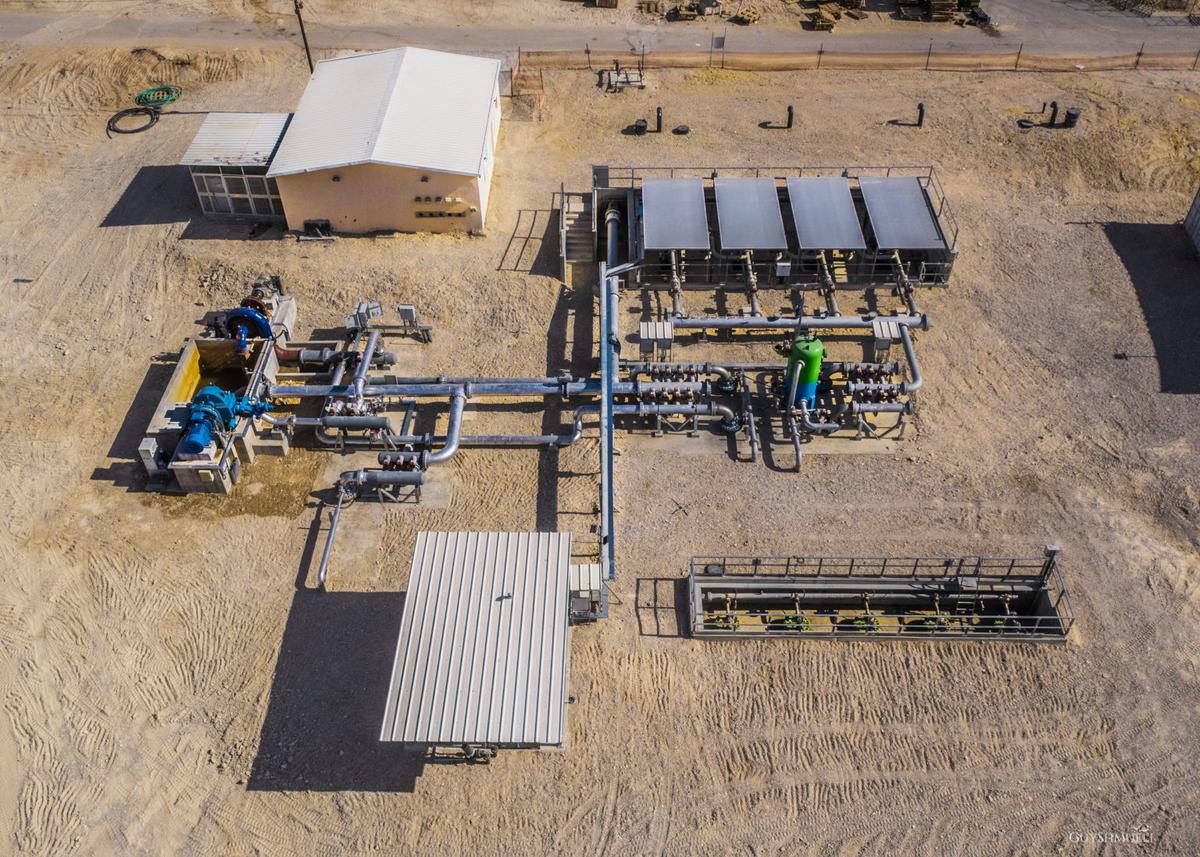
The different options for energy storage
Comments
Want to join the conversation?
Loading comments...