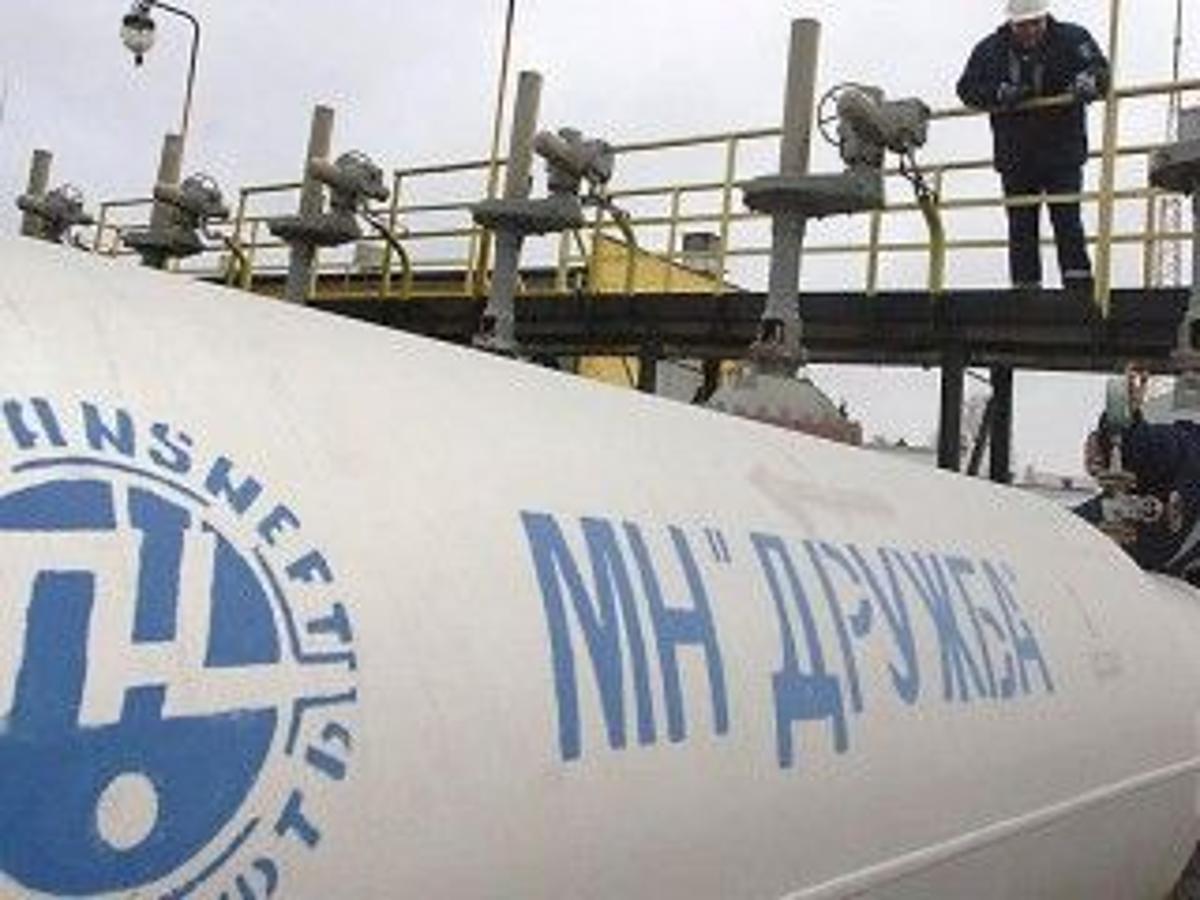
The Druzhba Pipeline Is Working Again
Why It Matters
Restoring the Druzhba flow reopens a critical energy corridor for Central Europe and clears a hurdle for a massive EU loan to Ukraine, while signaling continued pressure on Russia through sanctions. The development reshapes regional energy security and geopolitical leverage.
Key Takeaways
- •Druzhba pipeline resumed oil flow to Hungary, Slovakia
- •First crude deliveries arrive from Belarus after repairs
- •EU preliminarily approves $98bn loan to Ukraine, 20th sanctions package
- •Repair completed after Russian attack damaged pipeline in Ukraine
- •Resumption may ease EU loan dispute but risks remain
Pulse Analysis
The Druzhba pipeline, one of the world’s longest oil transit routes, has long been a strategic artery linking Russian fields to Central European refineries. Its recent shutdown after a Russian missile strike on Ukrainian soil highlighted the fragility of energy infrastructure caught in the cross‑fire of the Ukraine war. The rapid repair—completed within weeks—demonstrates both the technical resilience of the operator Ukrtransnafta and the political will of transit nations to restore supply chains that underpin regional fuel markets.
Beyond the immediate logistics, the pipeline’s revival dovetails with a pivotal EU decision: a provisional $98 billion loan package for Ukraine and the rollout of the 20th sanctions round against Moscow. By unblocking the oil flow, Hungary and Slovakia remove a bargaining chip that had stalled the loan approval, reinforcing the EU’s dual strategy of supporting Kyiv while tightening economic pressure on Russia. Belarus’s role as a new source of crude adds another layer, linking the pipeline’s output to a country increasingly aligned with Moscow, thereby complicating the geopolitical calculus for European energy policymakers.
Looking ahead, the Druzhba’s operational status remains precarious. While the repair work restores short‑term supply, any future hostilities could again jeopardize the conduit, prompting European nations to diversify imports or accelerate renewable transitions. Investors will watch how the restored flow influences regional oil price spreads and whether the EU’s financial commitment to Ukraine translates into sustained political stability, which is essential for protecting critical infrastructure from further disruption.
The Druzhba pipeline is working again
Comments
Want to join the conversation?
Loading comments...