The Energy Crisis Is Reshaping Asia’s Energy Transition Pathway
Why It Matters
A shift away from LNG toward storage and flexibility reduces exposure to volatile fuel markets, lowers electricity costs, and accelerates decarbonisation across the world’s fastest‑growing power markets.
Key Takeaways
- •LNG imports supply 70% of global LNG, exposing APAC to price shocks
- •Battery costs fell 90% since 2010, making storage cost‑competitive with gas
- •India’s solar auction cut tariffs to $0.03/kWh, scaling to 140 GW by 2026
- •Flexible coal plants can ramp with renewables, reducing curtailment
- •Demand‑response programs already manage ~3 GW of flexible load in APAC
Pulse Analysis
The Asia‑Pacific power sector has historically leaned on coal, with analysts predicting a linear shift to natural gas before renewables could take hold. That narrative proved attractive because gas‑fired plants can quickly adjust output, smoothing the intermittency of wind and solar. However, the region’s heavy reliance on imported LNG—now about 70% of worldwide LNG trade—has left it vulnerable to geopolitical squeezes and price volatility, as seen in the 2022 South Asian blackouts and recent electricity‑price spikes in Singapore and Thailand.
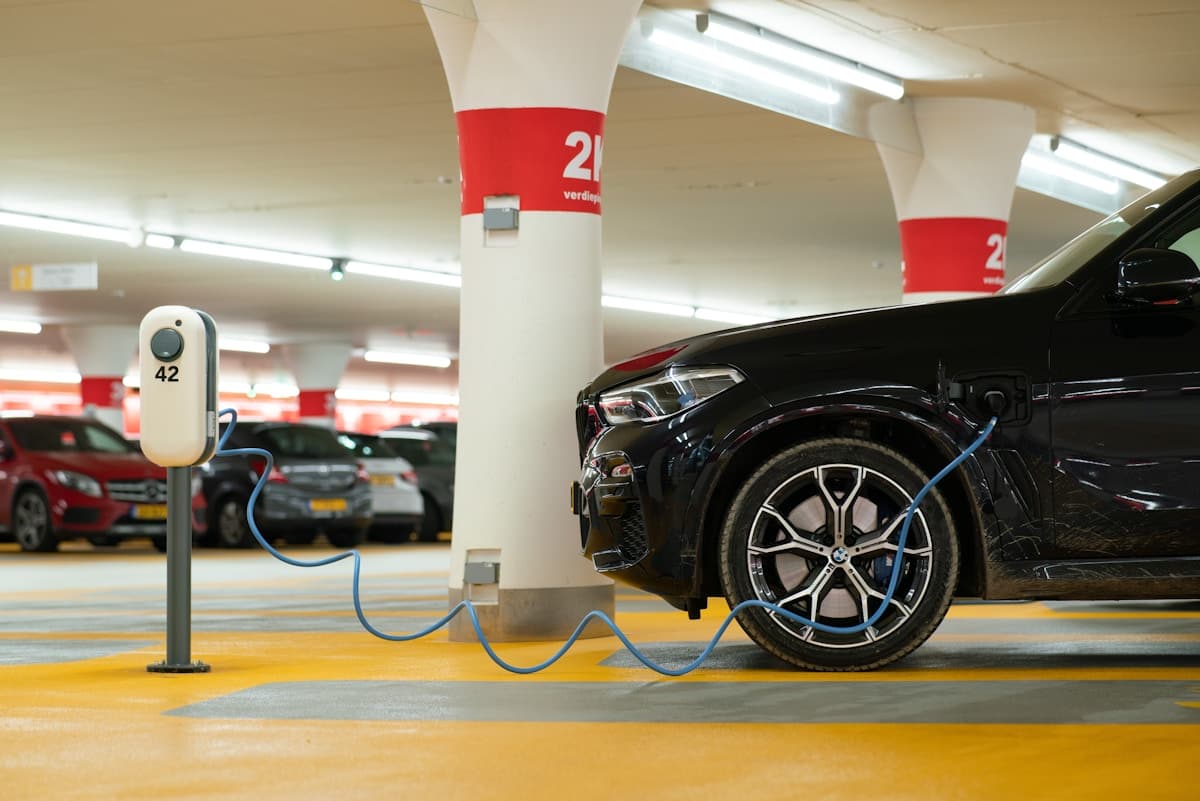
A parallel revolution is unfolding in energy storage. Since 2010, battery prices have slashed roughly 90%, enabling grid‑scale storage to rival the levelized cost of new gas peakers. Countries such as Australia and several U.S. states already deploy megawatt‑hour battery farms to capture excess solar generation and discharge during peak demand, effectively replacing the need for additional gas capacity. Coupled with demand‑response programs that shift consumption to periods of abundant renewable supply, these technologies provide the same frequency‑regulation and ramping services that gas once monopolised. The result is a more resilient, lower‑cost grid that can accommodate higher shares of wind and solar.
Policy action will determine whether APAC can capitalize on this transition. Competitive, auction‑based procurement—exemplified by India’s solar tender that drove tariffs down to $0.03/kWh and expanded capacity to over 140 GW by 2026—lowers financing costs and encourages hybrid projects. Retrofitting existing coal‑fired plants for flexible operation, and incentivising time‑of‑use tariffs and smart‑charging for electric vehicles, further expands the flexible demand toolbox. By steering planning toward storage and demand‑side solutions, governments can mitigate LNG exposure, protect consumers from price shocks, and fast‑track the region’s decarbonisation agenda.
The energy crisis is reshaping Asia’s energy transition pathway
Comments
Want to join the conversation?
Loading comments...