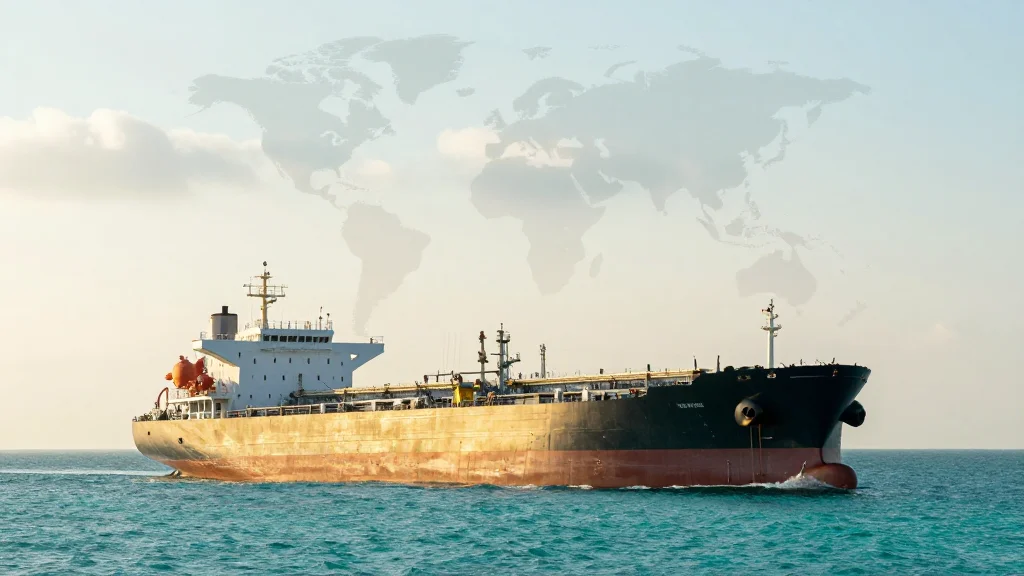
The Future of US Energy Security: Building on Lessons From the Iran War
Why It Matters
U.S. energy security now hinges on protecting critical chokepoints while preserving the export‑oriented framework that fuels economic growth. Missteps risk price spikes that erode consumer purchasing power and weaken global market stability.
Key Takeaways
- •Shale boom turned US into net oil exporter, boosting GDP
- •2015 oil export ban lift enabled shale industry stability
- •Hormuz closure exposed lack of naval protection, raising price risk
- •SPR fell to 60% capacity, limiting emergency oil response
- •LNG licensing reforms kept Henry Hub prices low despite global spikes
Pulse Analysis
The Iran conflict has laid bare the fragility of global energy flows, with the Strait of Hormuz once again proving to be a single point of failure. While the United States has leveraged its shale surge to become an "arsenal of energy," the war has reminded policymakers that market strength alone cannot offset geopolitical shocks. The rapid shutdown of Hormuz has forced tankers onto longer routes, inflating freight costs and tightening global oil inventories, which in turn reverberates through gasoline, diesel, jet fuel and even fertilizer markets.
Policy victories over the past decade have created a structural buffer that many analysts now view as the cornerstone of U.S. energy security. The 2015 repeal of the 40‑year crude‑oil export ban unlocked billions of dollars in revenue for domestic producers, while successive liberalizations of LNG export licensing have allowed the United States to supply Europe and Asia at a time when global gas prices are soaring. These steps have kept Henry Hub benchmarks well below international levels, preserving affordable domestic power and industrial inputs despite external price spikes.
Nevertheless, the war highlights glaring gaps. The decision not to deploy naval forces to secure Hormuz left a vital artery vulnerable, and the strategic petroleum reserve—already trimmed to roughly 60% of capacity—was tapped for budgetary reasons rather than genuine emergencies. Future policy must therefore blend the market‑driven resilience of shale and export freedoms with a proactive defense posture and a fully funded strategic reserve, ensuring that price shocks are absorbed without compromising national economic stability.
The future of US energy security: Building on lessons from the Iran war
Comments
Want to join the conversation?
Loading comments...